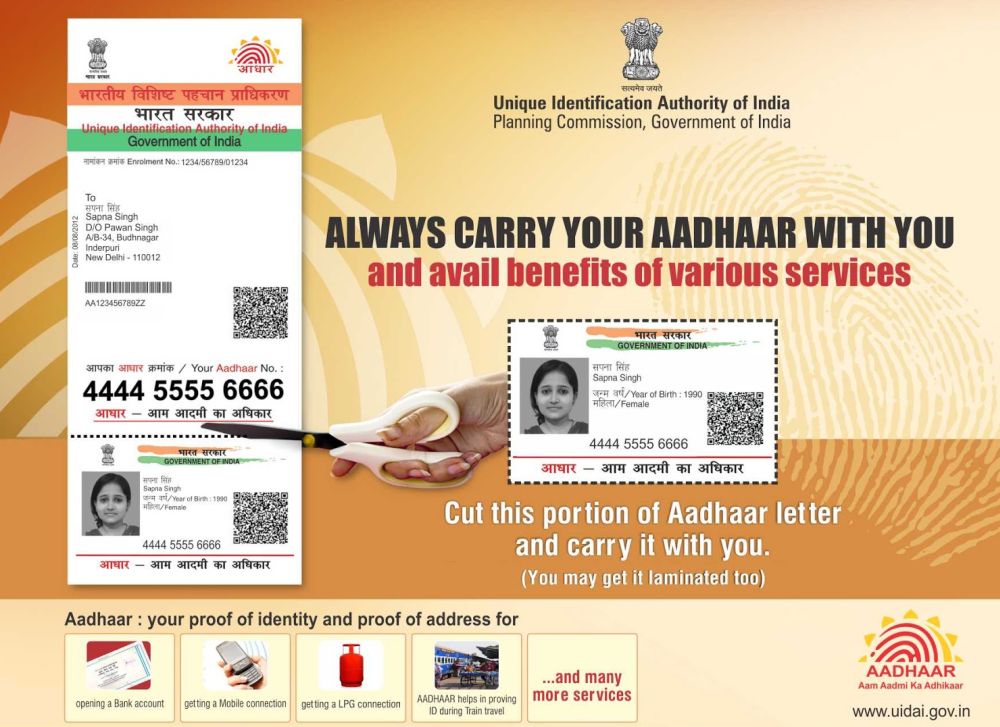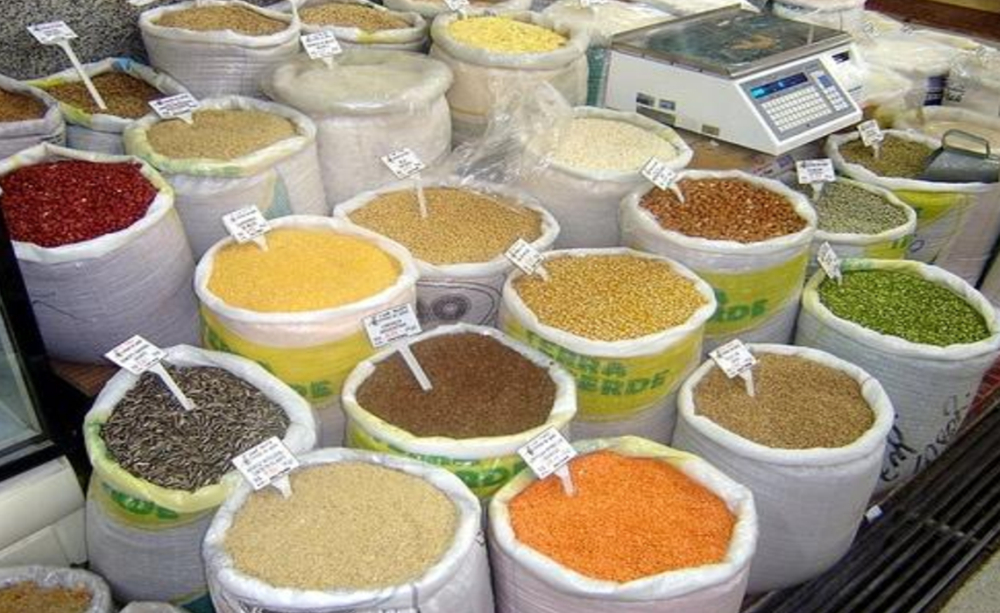


Shimla — The Himachal Pradesh government’s e-KYC initiative under the Public Distribution System (PDS) has brought major reforms, ensuring transparency and efficiency in the delivery of food grains and essential commodities. By linking ration cards with Aadhaar numbers, the government has successfully eliminated fake and duplicate beneficiaries, making sure that subsidies reach only genuine families.
The e-KYC drive, launched in May 2022, was aimed at improving accountability in the PDS network across the state. In its initial phase, from May 2022 to January 2023, about 60 percent of beneficiaries completed their e-KYC at Fair Price Shops (FPS). However, limited funds caused a temporary slowdown in the process.
To overcome this challenge, the state’s technical team developed its own e-KYC application, which was launched in July 2023. This application enabled Aadhaar-based fingerprint authentication at FPS outlets, allowing more people to complete the verification process. By July 2024, the completion rate had risen to 77 percent.
Recognising the challenges faced by residents in remote and hilly regions—such as difficulty reaching FPS centers or fingerprint mismatches—the government introduced a mobile application that allowed Aadhaar-based facial recognition for e-KYC verification. This move proved highly effective, especially for those living in far-flung areas who could now verify their identity remotely.
Following the introduction of facial authentication, the e-KYC completion rate saw a sharp rise—from 77 percent in July 2024 to 97 percent by March 2025.
Officials from the Food, Civil Supplies, and Consumer Affairs Department said the initiative has not only improved data accuracy but also helped in optimising the distribution of subsidised grains. The system now ensures that benefits are delivered promptly to the rightful beneficiaries, cutting down on misuse and duplication.
The success of Himachal Pradesh’s e-KYC drive demonstrates how technology can strengthen governance and make welfare schemes more transparent, efficient, and inclusive—ensuring every eligible family receives what it deserves.