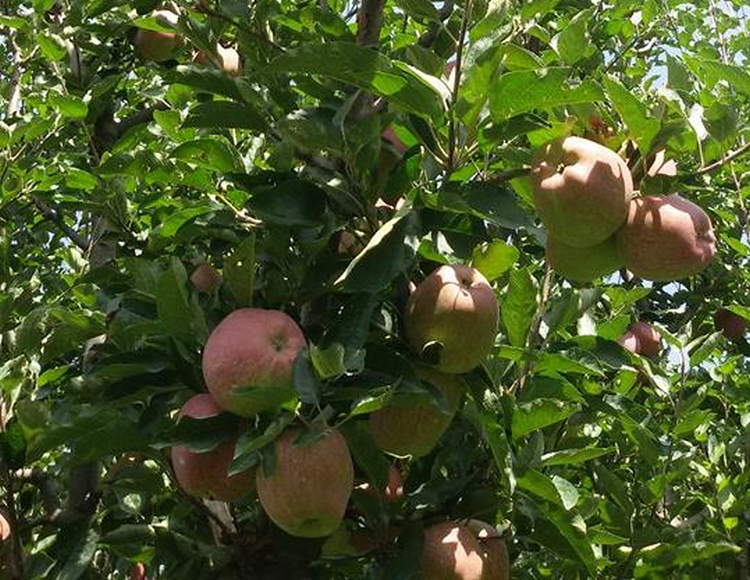


At over 12,000 feet above sea level, apple cultivation has achieved a remarkable breakthrough in Himachal Pradesh’s Kinnaur district. A high-density apple orchard in Malling has defied harsh climatic challenges to flourish, proving that modern horticultural innovation can thrive even in the cold, desert-like terrain of the Himalayas.
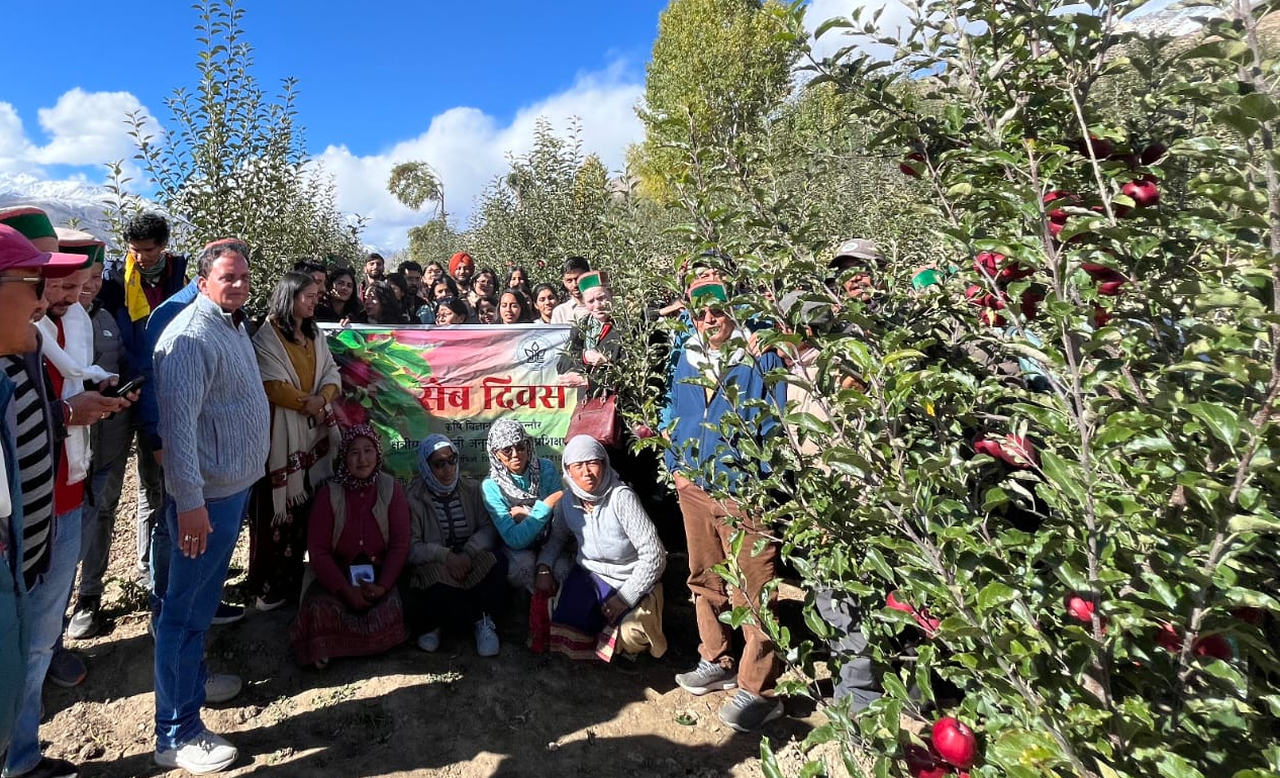
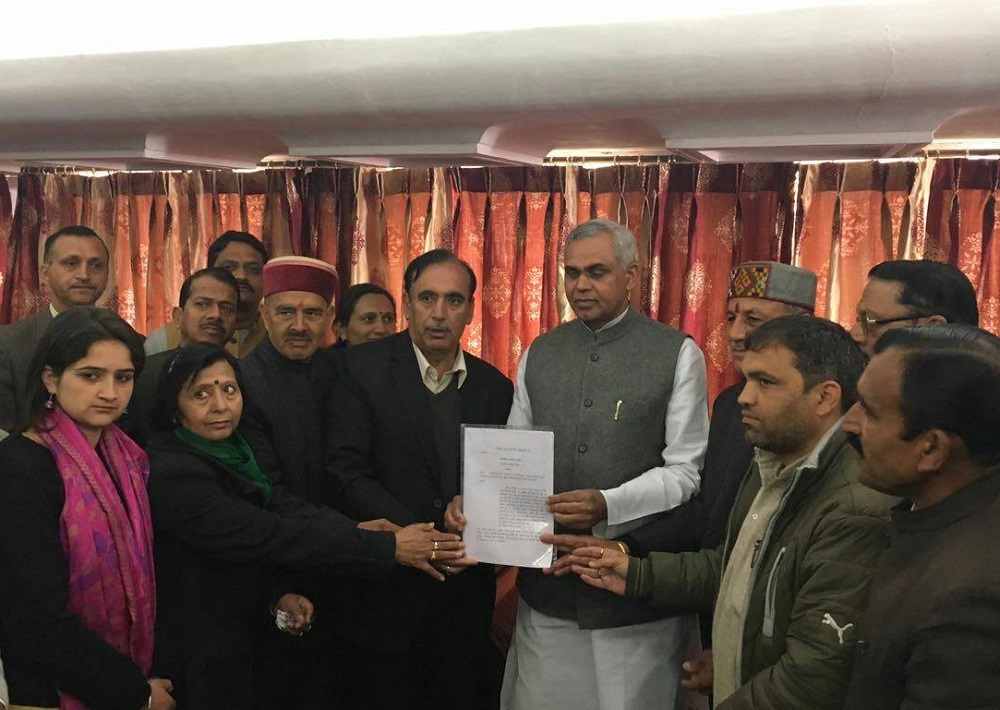
This success story took the spotlight during Apple Day 2.0, celebrated at the high-altitude demonstration orchard. The event was jointly organised by Krishi Vigyan Kendra (KVK) Kinnaur and the Regional Horticultural Research and Training Station (RHRTS), Sharbo, under Dr. YS Parmar University of Horticulture and Forestry, Nauni. It showcased the promise of high-density apple plantations and natural farming practices in transforming the future of fruit cultivation in tribal regions.
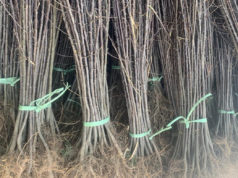
Established in 2021 under the Tribal Sub-Plan Project, the Malling apple orchard features ten premium apple varieties—including Super Chief, Scarlet Spur, Red Velox, Oregon Spur II, and Gala Val—grown successfully on seedling rootstocks. The thriving orchard has emerged as a model of innovation, resilience, and sustainability for high-altitude farming.
Dr. Arun Kumar, Fruit Scientist, demonstrated field-based innovations designed to enhance apple productivity at extreme elevations. Dr. Pramod Sharma, Associate Director (Research) and Head of KVK Kinnaur, emphasised the significance of high-density planting and natural farming for sustainable fruit production. He emphasised the importance of nature-based solutions, multi-layer cropping, and diversification to foster long-term farm resilience in cold desert areas.
Dev Raj Kaith, Subject Matter Specialist (Horticulture), briefed farmers on various government schemes, crop insurance, subsidies, and biological pest control methods. Jai Kumar from ATMA informed participants that over 1,000 farmers, including 99 from Pooh Block, are now part of the Natural Farming Cluster Initiative, with six villages—Nako, Chango, Ribba, Asrang, Thangi, and Kanam—already developed as model clusters.
Highlighting diversification within orchards, Dr. Deepika Negi, Fruit Scientist, encouraged farmers to include high-value crops like strawberries alongside apples to boost income. Ashish Gupta, Food System Analyst, introduced the CETARA Certification System for Natural Farming produce in Himachal Pradesh, aimed at strengthening climate-resilient and ecological agriculture.
The flourishing Malling orchard now stands as a living example of how science, innovation, and nature-based farming can converge to overcome geographical and climatic barriers—offering a blueprint for the future of apple cultivation in Himachal’s high-altitude regions.