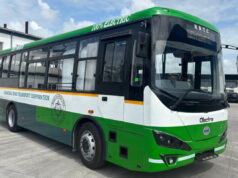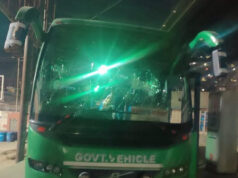


The Himachal Road Transport Corporation’s (HRTC) ambitious push for clean mobility under the “Green Himachal, Clean Himachal” campaign has hit a major roadblock. Electric buses introduced with much fanfare to reduce vehicular pollution are now lying idle across depots, turning into a financial burden for the department.
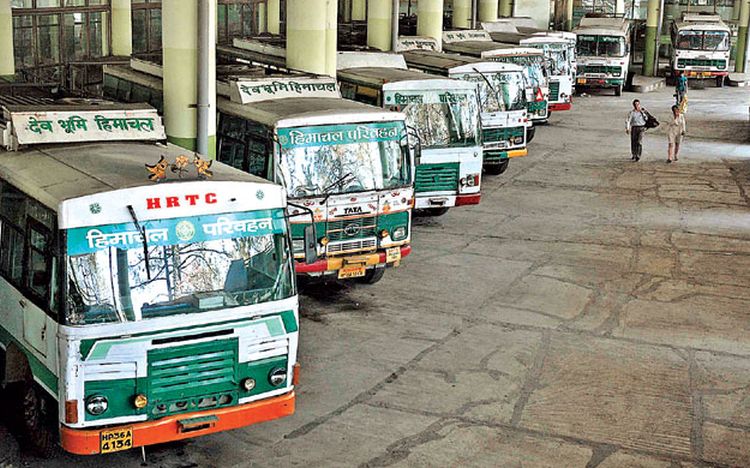
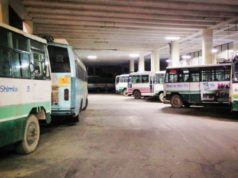
Officials say the electric bus fleet, once projected as a model for sustainable transport, is now causing losses worth crores. Frequent technical faults, poor road performance, and a severe shortage of spare parts have crippled operations. In Shimla Depot alone, around 20 electric buses are parked and non-functional, some for months, due to unavailability of key components.
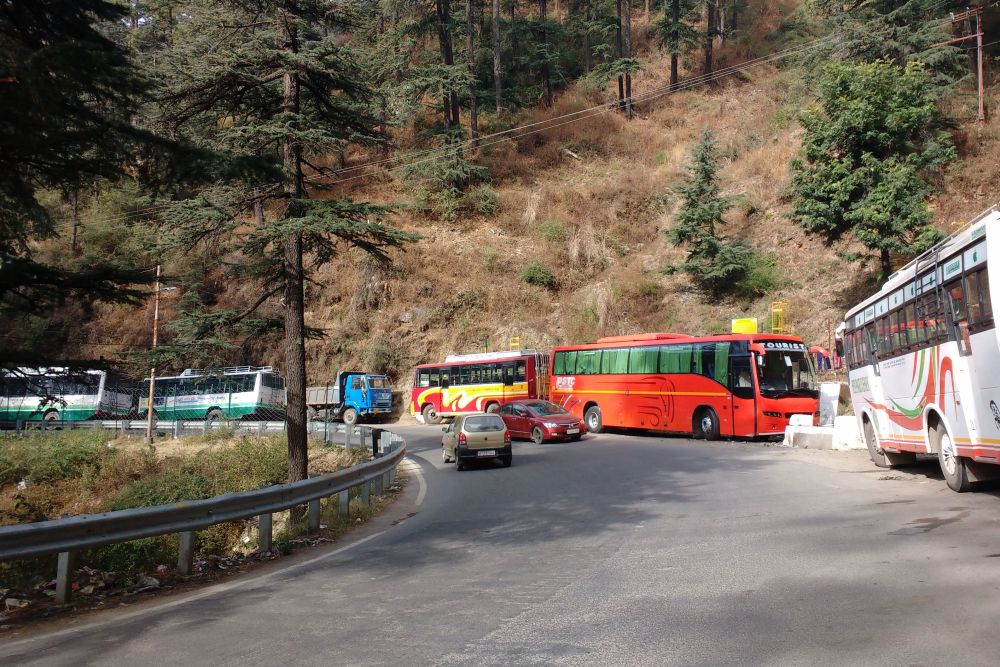
Drivers report that these buses often stall on steep inclines, a major challenge in the state’s hilly terrain. “Even a minor technical issue can stop the bus midway, leaving passengers stranded,” said one HRTC driver. In contrast, diesel buses continue to run smoothly since their parts are easily available.
Most of the electric bus components are imported, making maintenance difficult and expensive. The situation has worsened to the extent that several older electric buses have become scrap. The department faces daily reports of breakdowns, while many vehicles await repairs for lack of technical support.
In view of these persistent problems, HRTC is now considering hiring private firms on annual maintenance contracts to handle repairs and ensure the supply of parts. Officials believe this move could revive some of the grounded fleet and prevent further losses.
The government has ordered a thorough inspection of the electric buses to assess their current condition and operational viability. However, the larger question remains — whether Himachal Pradesh’s green mobility dream can be sustained without a robust infrastructure and consistent technical support.
What was envisioned as a step toward a cleaner future has, for now, left the state’s green transport initiative struggling to stay on track.