

The Government of India is preparing to roll out Vehicle-to-Vehicle (V2V) communication technology by the end of 2026, a move aimed at strengthening road safety and reducing accidents across the country. The system will enable vehicles to communicate directly with one another without relying on mobile or internet networks.
The technology is expected to address some of the most common causes of road accidents, including collisions with parked or stationary vehicles and crashes involving fast-moving traffic from behind. Officials said it would also help prevent large-scale pileups during dense fog, a recurring winter problem on highways in several regions. Through V2V communication, vehicles will exchange signals and issue real-time alerts to drivers when another vehicle comes dangerously close.
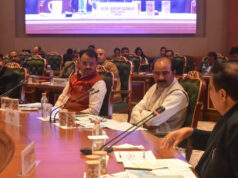
Union Road Transport and Highways Minister Nitin Gadkari shared details of the initiative after the Annual Meeting with State Road Transport Ministers. He said the proposal was discussed during the meeting and the technology would be implemented soon. According to the minister, V2V communication will be particularly useful in situations where visibility is poor or when vehicles are parked on roads, often leading to fatal rear-end collisions.
Gadkari also stressed the need to strictly implement the Bus Body Code, pointing out that poor bus design has contributed to at least six major accidents in which 135 people lost their lives. He said improving vehicle design and safety standards remains a key priority for the government.
As part of broader safety measures, the Centre plans to equip existing buses with additional safety features. These include fire extinguishers, drowsiness detection systems for drivers, and emergency hammers for passengers to use in case of accidents.
Ministry of Road Transport and Highways Secretary V Umashankar described the V2V initiative as a major step towards improving road safety. He said such technology is currently used in only a few countries worldwide and added that the project is estimated to cost around Rs 5,000 crore.
The system will function through a device similar to a SIM card that will be installed in vehicles. Once operational, it will provide 360-degree communication, alerting drivers about nearby vehicles from all directions. The technology will also alert drivers to the safe vehicle distance and the presence of roadside or stationary vehicles.
Officials said the V2V system would be especially effective during foggy conditions, when visibility drops sharply, and drivers often fail to notice vehicles ahead. The technology will work in coordination with Advanced Driver Assistance Systems (ADAS). While some premium vehicles already use sensor-based safety systems, these will be aligned with the new V2V framework after the official rollout.
The Transport Ministry is working to implement the technology by the end of 2026, after which phased implementation will begin. Initially, the equipment will be installed only in new vehicles. Officials believe the V2V communication system will play a crucial role in reducing road accidents and improving overall traffic safety in India.