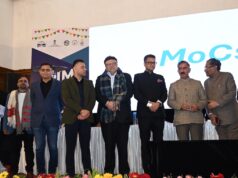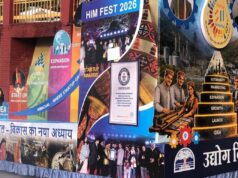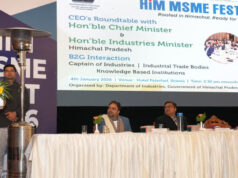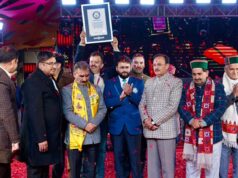


Shimla: The Himachal Pradesh handloom sector is increasingly looking towards branding, Geographical Indication (GI) tags and direct market access following the Him MSME Fest 2026, with weavers and policymakers alike seeing the event as a shift from traditional exhibition-based promotion to a structured growth model.
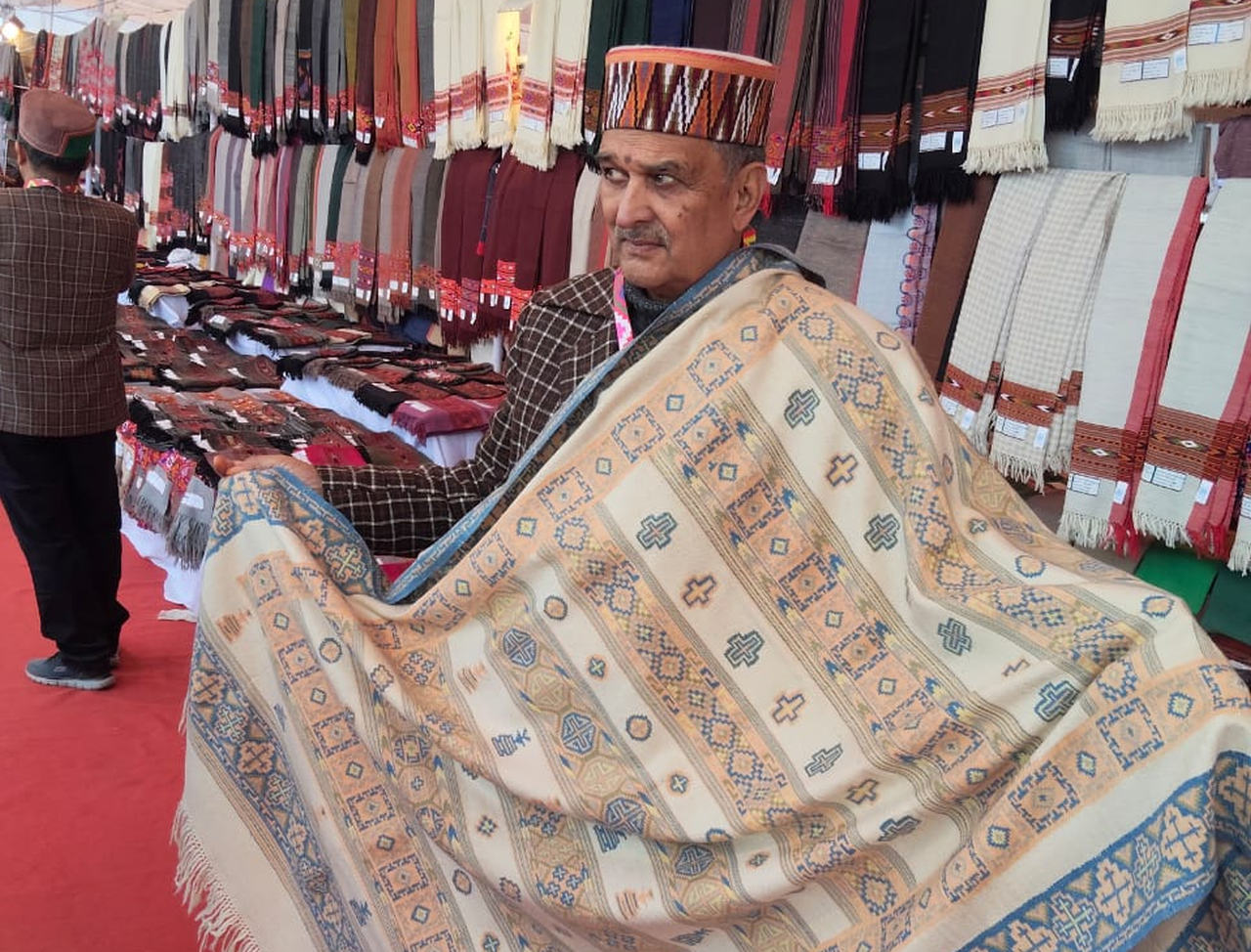
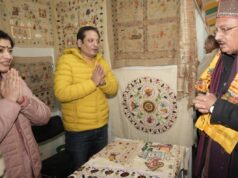
The festival, held at the Ridge Maidan, brought together weavers from Kullu, Kinnaur, Mandi, Kangra and other regions, allowing them to interact directly with buyers, fashion houses and exporters. For many artisans, it was the first time their products were not just displayed, but positioned as premium, region-specific brands rooted in heritage and authenticity.
Himachal Pradesh has a rich handloom tradition, particularly known for Kullu shawls, Kinnauri shawls, Kangra woollens and Mandi wool products. The sector provides livelihoods to thousands of families, many of them in remote mountain villages where weaving remains a primary source of income, especially for women. Despite this potential, the sector has long struggled with weak branding, limited market access and heavy dependence on middlemen.
The Him MSME Fest helped change this narrative by highlighting the importance of district-wise identities and GI tags to protect traditional designs and ensure fair value for artisans. Weavers were sensitised to the need for proper packaging, tagging and storytelling, helping buyers trace the product back to its place of origin. Officials said this approach would strengthen consumer trust and help curb imitation products that often undermine genuine handloom goods.
The event also reinforced the role of women in Himachal’s handloom economy. Women weavers, who form the backbone of the sector, are expected to be organised through self-help groups to improve access to credit, training and collective marketing. The festival also encouraged youth participation by demonstrating that handloom, when combined with design innovation and branding, can offer sustainable incomes.
Technology emerged as a key enabler rather than a threat to tradition. Through exposure to digital marketing tools, e-commerce platforms and customised order systems, weavers learned that while looms may remain in villages, markets can extend far beyond the state and even the country.
Industry stakeholders and officials from the Industries Department and the MSME ecosystem assured continued support beyond the festival. They said training programmes, design upgrades, financial assistance and market linkages would be taken forward in a structured manner, ensuring that the momentum created at the event translates into long-term benefits.
Artisans believe the sector has the potential to position Himachal Pradesh as a slow fashion hub and a handloom tourism destination. Satya Prakash Thakur of Bhuttico Weavers, Kullu, said the festival helped weavers realise that their craft is not merely a legacy of the past but a viable economic opportunity for the future.
Om Prakash Malhotra, founder of Krishna Wool, Mandi, said the real success of the initiative would be seen when the voice of the loom reaches policy-making levels. “When the sound of the loom reaches the policy-making level, both the situation and the direction change. The true test will be when this echo reaches every village in the state,” he said.
With branding, GI protection and policy support now gaining attention, the Himachal handloom sector appears poised to move from survival to structured growth, unlocking its full economic and cultural potential.