
Traffic through the strategic tunnel now exceeds its designed capacity by more than two times during peak tourist seasons, prompting authorities to consider vehicle regulation amid concerns over pollution, road safety, environmental degradation and disruption to local mobility in Kullu and Lahaul-Spiti.
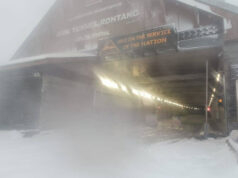
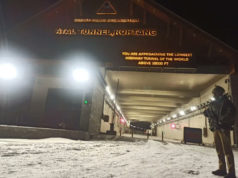
Manali: The Atal Tunnel, one of the country’s most significant mountain infrastructure projects, is facing increasing pressure from a surge in vehicle traffic that has pushed it well beyond its designed capacity. Authorities have expressed concern over rising smoke levels inside the tunnel and the accumulation of thick carbon deposits on its walls, highlighting the environmental and safety challenges emerging from the rapid growth in tourist traffic.
Constructed to provide all-weather connectivity between Kullu and Lahaul-Spiti, the tunnel was designed to handle around 4,500 vehicles daily, including 3,000 light vehicles and 1,500 heavy vehicles. However, during peak tourist seasons, traffic volumes frequently cross this limit by a wide margin, placing additional strain on the tunnel’s ventilation systems and overall infrastructure.
Officials said the growing carbon accumulation inside the tunnel is a visible indication of increasing vehicular emissions. Experts believe the issue extends beyond maintenance concerns and could have implications for the tunnel’s long-term durability, operational safety and emergency response preparedness.
In response, the administrations of Kullu and Lahaul-Spiti, in coordination with the Border Roads Organisation (BRO), are exploring measures to regulate vehicle movement through the tunnel. The exercise is aimed at addressing concerns related to pollution, traffic congestion, road safety and disaster management.
Official conformed that vehicle movement through the tunnel continues to rise beyond its intended capacity, creating challenges in environmental conservation, road safety and disaster preparedness. The administration is examining all aspects of the issue before taking appropriate decisions, the official further added.
The impact of the traffic surge is being felt across the region. Since the opening of the tunnel, destinations such as Sissu, Keylong, Solang Valley and areas around Manali have witnessed a sharp increase in tourist arrivals. While tourism has boosted the local economy, it has also intensified pressure on the fragile Himalayan ecosystem.
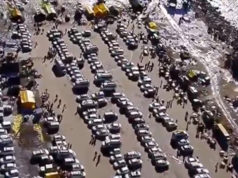
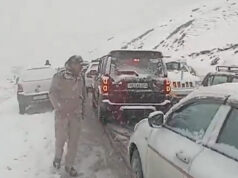
Environmental experts have repeatedly cautioned that uncontrolled vehicle inflow can contribute to air pollution, increased waste generation, noise pollution and pressure on natural resources in ecologically sensitive mountain regions. The growing number of vehicles is also leading to frequent traffic jams on roads connecting Manali with the tunnel, particularly during weekends, holidays and snowfall events.
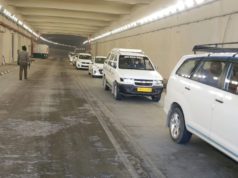
Local residents say heavy tourist traffic often disrupts their daily movement, delays essential services and creates difficulties for commuters, public transport operators and emergency vehicles. Long queues of vehicles have become a common sight on the Manali-Atal Tunnel stretch during the tourism season, significantly increasing travel time for residents.
The tunnel has transformed life in Lahaul Valley by ensuring year-round connectivity and reducing travel time between Manali and Keylong. Earlier, the closure of Rohtang Pass during winter would isolate the valley for months. Today, thousands of vehicles cross the tunnel even during the harsh winter season. However, officials believe that without effective traffic management and sustainable tourism measures, the environmental and infrastructural pressures could continue to grow.
Authorities are now studying possible solutions to balance the benefits of tourism and connectivity with the need to protect the region’s ecology, maintain road safety and ensure the long-term sustainability of the Atal Tunnel and surrounding areas.