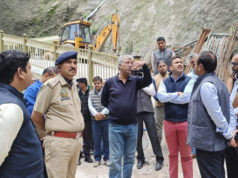

Shimla: A long-standing water crisis in Shimla is set to ease, as water from the Satluj Drinking Water Project has started reaching the city’s storage system, marking a major step toward ensuring regular supply for residents.
Water from the project reached the Sanjauli tank on Tuesday and is now being distributed to other tanks across the city. Officials have indicated that once water levels stabilize, residents are likely to start receiving daily water supply from next week.
The project was inaugurated by Shimla Urban MLA Harish Janartha, who said the initiative would provide long-term relief to the city. Built at a cost of around ₹500 crore, the project is expected to meet Shimla’s water needs for the next 30 years.
For years, Shimla has faced acute water shortages, especially during the summer season when water levels in the Giri and Gumma sources drop significantly. The situation often forced authorities to impose water rationing, with several areas receiving water supply only once every five to eight days, creating distress among residents.
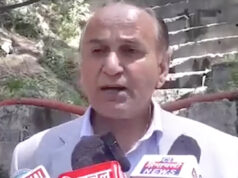
Mayor Surender Chauhan said the objective behind bringing water from the Satluj was to ensure that residents no longer have to struggle for water. He added that despite multiple challenges, the project has been completed successfully, paving the way for adequate daily supply.
The implementing agency has stated that around 15 MLD (million litres per day) of water will initially be supplied through two pumps, with the total supply expected to reach approximately 55 MLD. This additional availability is likely to eliminate the need for water rationing in the city.
Officials said supply from existing sources such as Giri and Gumma will continue alongside the Satluj project, strengthening the overall system. Plans are also underway to construct 21 new storage tanks across the city within the next one to one-and-a-half years to further improve distribution.
With the arrival of Satluj water, residents of Shimla can now expect a more reliable and consistent water supply, bringing relief from years of recurring shortages during summer and monsoon seasons.