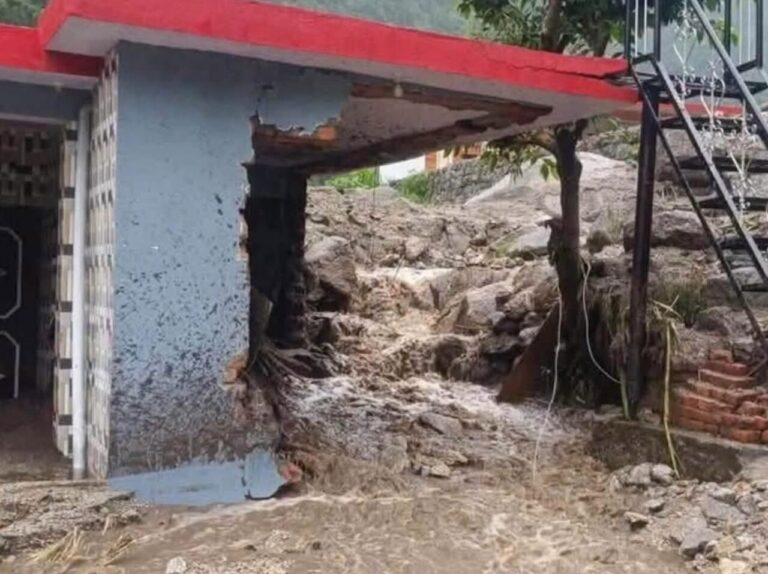
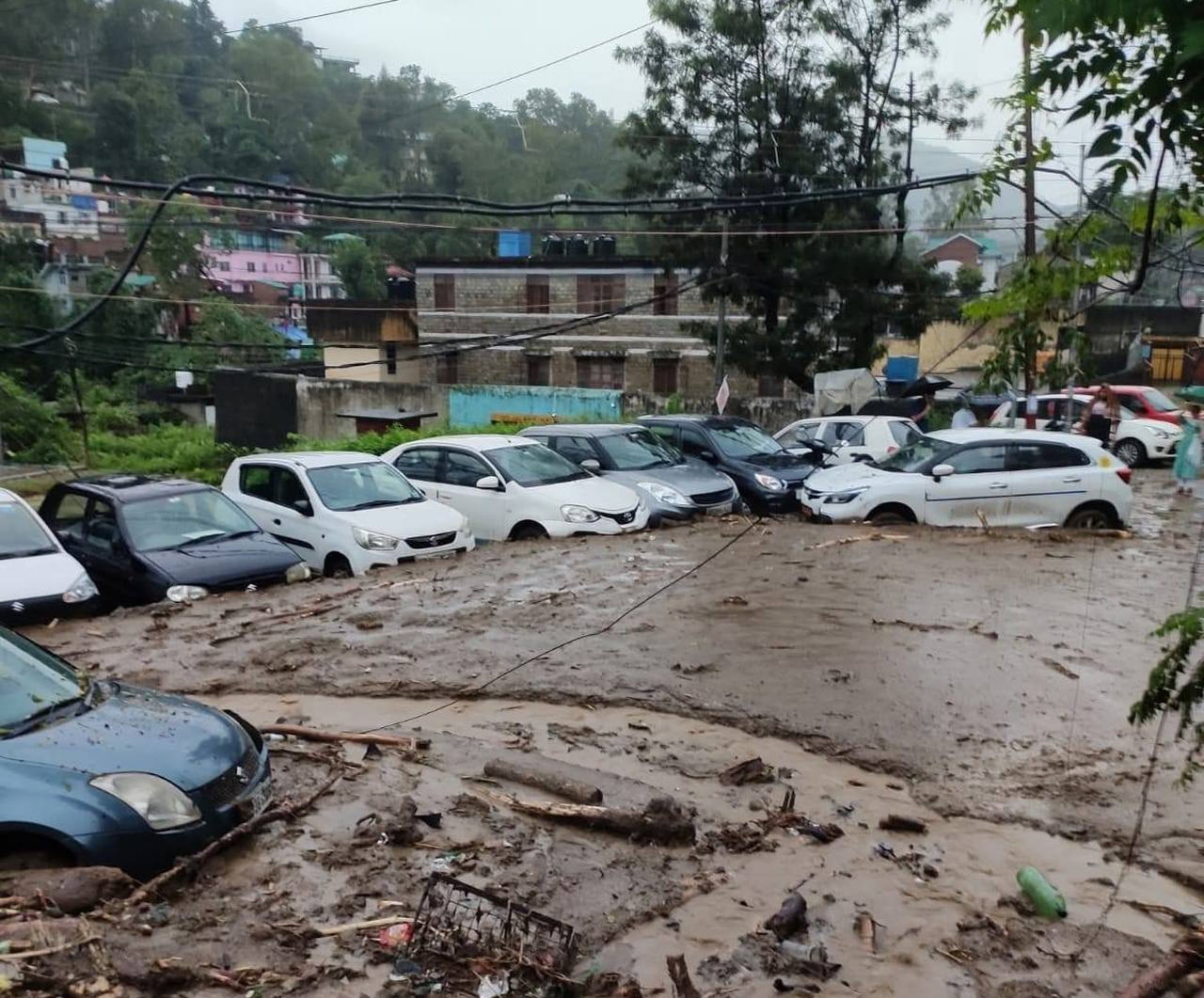
The Himachal Pradesh government has decided to undertake detailed scientific studies on recurring cloudburst incidents in the state amid growing concerns over frequent disasters causing loss of life and property in different parts of the Himalayan region. The studies will focus on understanding the causes, patterns and impact of cloudbursts in vulnerable areas of the state.
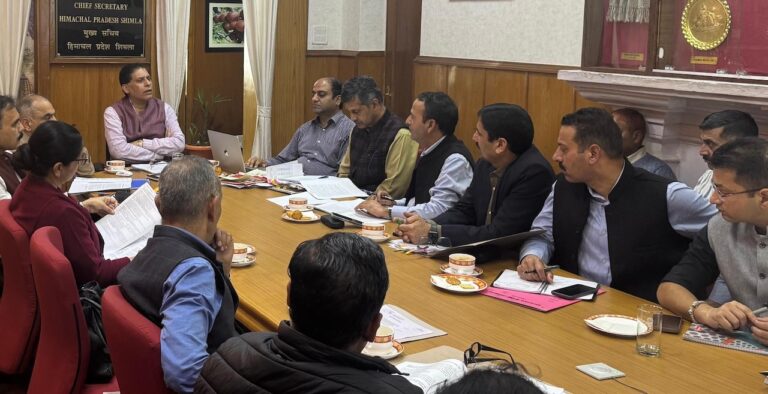
The decision was taken during a high-level meeting on disaster risk reduction, resilience planning and research initiatives chaired by Chief Minister Sukhvinder Singh Sukhu on Friday evening. The meeting reviewed the work being carried out by the Himalayan Centre for Disaster Risk Reduction and Resilience at Himachal Pradesh University.
The Chief Minister directed the Centre to carry out a scientific assessment of recurring cloudburst incidents by studying factors such as the impact of dams, temperature variations, terrain conditions and aerial-distance-based analysis associated with frequent cloudbursts in the Himalayan region. He said cloudbursts have become a recurring phenomenon across Himachal Pradesh and stressed the need for a scientific study to understand their pattern.
He further directed that all state-level research and development activities related to disaster studies, hazard assessment and technical evaluations would be undertaken through the Centre.
To strengthen the institution, the Chief Minister directed the Himachal Pradesh State Disaster Management Authority to allocate ₹6 crore for capacity building and specialized training programmes. An additional grant of ₹10 crore was also approved for institutional strengthening and enhancement of technical capabilities.
The government also decided to support Glacial Lake Outburst Flood (GLOF) studies through the Centre and allocated ₹1 crore for initiating GLOF-related scientific research in the state. Directions were also issued for recruitment of additional professionals and domain experts to improve the Centre’s scientific and technical research capabilities.
The Chief Minister appreciated the contribution of the Centre towards disaster risk reduction and resilience planning in the state and said similar scientific studies should be expanded to other vulnerable regions of Himachal Pradesh to strengthen disaster preparedness.
Revenue Minister Jagat Singh Negi stressed the need to develop in-house technical and scientific expertise for disaster risk reduction instead of depending on outside agencies for landslide and GLOF-related studies. He appreciated the Centre’s role in DPR preparation and development of technical expertise within the state.
During the meeting, a presentation was also made on a hydrodynamic model developed for the Thunag region of Mandi district for scientific assessment of flash flood impacts, disaster-risk-informed planning and development of early warning mechanisms.