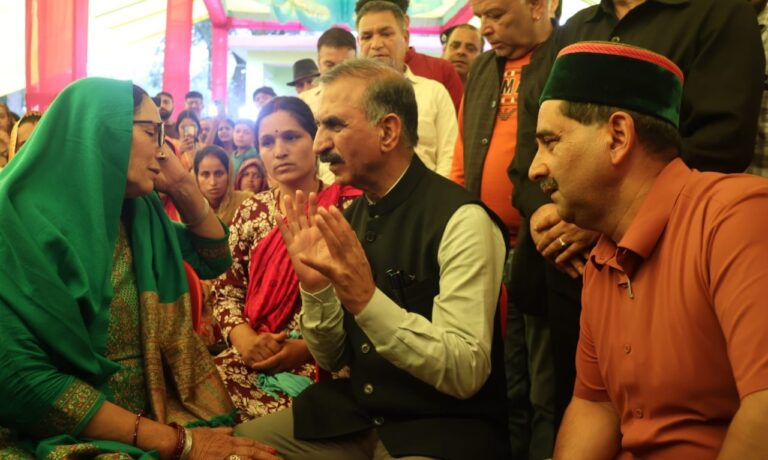
Shimla: Himachal Pradesh Chief Minister Sukhvinder Singh Sukhu has cautioned that cloudburst events, once considered rare and confined to higher altitudes, are set to become more frequent not just in Himachal but also in Uttarakhand and the Northeastern states in the coming years. The Chief Minister made this observation while releasing the book ‘City Limits – The Crisis of Urbanisation’ edited by former Deputy Mayor of Municipal Corporation Shimla, Tikender Panwar, at Gaiety Theatre on Tuesday evening.
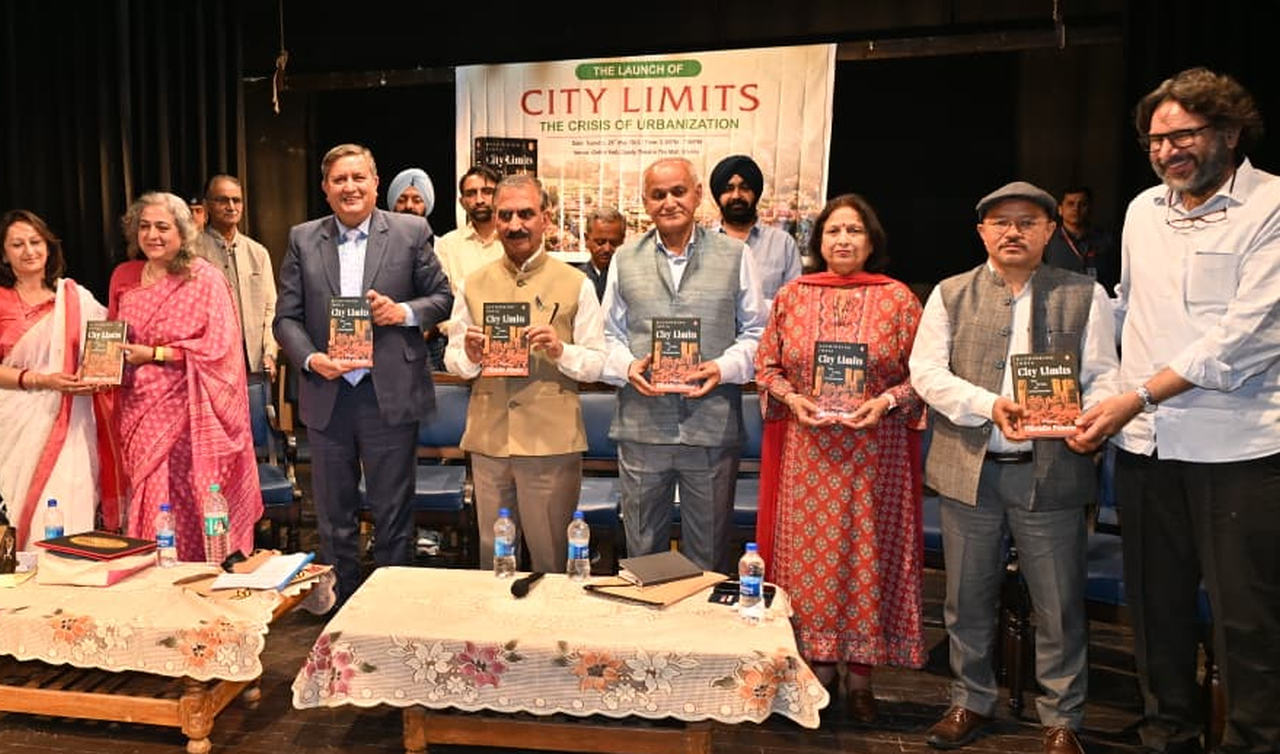
Addressing the gathering, CM Sukhu said that nature has blessed Himachal Pradesh with clean air and water, and preserving these resources is the collective responsibility of every citizen. He noted that Shimla has witnessed a rapid transformation over the years, with areas that once had forests now covered with buildings. He stressed the need for vertical construction to manage urban growth in the capital city.
Emphasising sustainable development, the Chief Minister pointed out that the state has faced two major natural disasters in the last three years, causing extensive damage. He said cloudburst incidents are now being scientifically studied as such events are no longer limited to higher reaches but are also occurring in lower areas, citing examples from parts of the Seraj Assembly constituency.
In a meeting with the Union Home Minister, CM Sukhu had highlighted that cloudburst incidents will not remain confined to Himachal Pradesh in the future. He reiterated that his government is committed to advancing development while protecting the state’s natural environment, culture, and social balance.
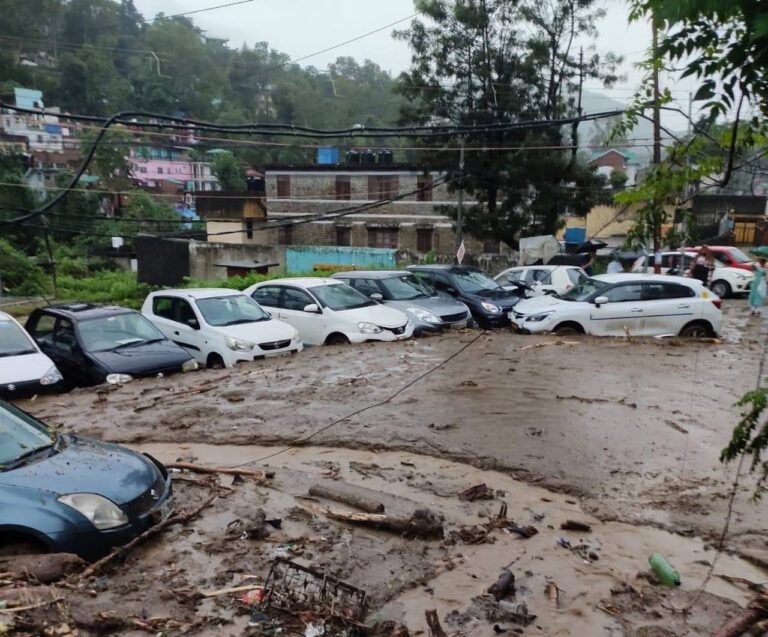
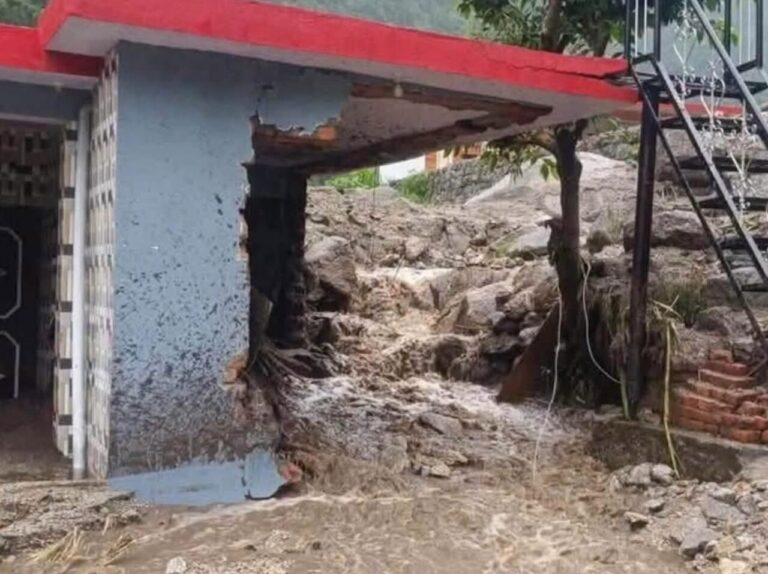
Hilly regions of Himachal Pradesh are particularly vulnerable to cloudbursts and excessive rainfall because of steep slopes, fragile geology, narrow valleys, and unstable soil. These sudden extreme rainfall events, delivering more than 10 cm of rain in an hour, frequently trigger flash floods, landslides, and debris flows that can devastate villages and infrastructure within minutes. Climate research shows that rising temperatures are increasing atmospheric moisture, leading to more intense precipitation events when western disturbances meet monsoon systems.
The potential losses from such disasters are enormous. Recent cloudbursts in the state have caused hundreds of deaths, destroyed thousands of homes, shops, and livestock shelters, and severely damaged roads, bridges, hydropower projects, and water supply systems. Economic losses often run into thousands of crores of rupees, crippling agriculture, horticulture, tourism, and local livelihoods. Night-time occurrences are especially deadly due to limited evacuation time, leaving many families displaced and connectivity disrupted for weeks.
Former Chief Justice of the Jharkhand High Court, Justice Tarlok Singh Chauhan, also addressed the event and called for greater personal responsibility and institutional accountability. He noted that people should introspect before blaming others and pointed out that local vehicles, not tourists, are a major cause of traffic congestion. Justice Chauhan described urbanisation as a deep reorganisation of society and warned that institutional failures hurt the weakest sections the most.
The book release has highlighted the urgent need for sustainable planning and climate-resilient measures in the fragile Himalayan region as extreme weather events continue to rise.