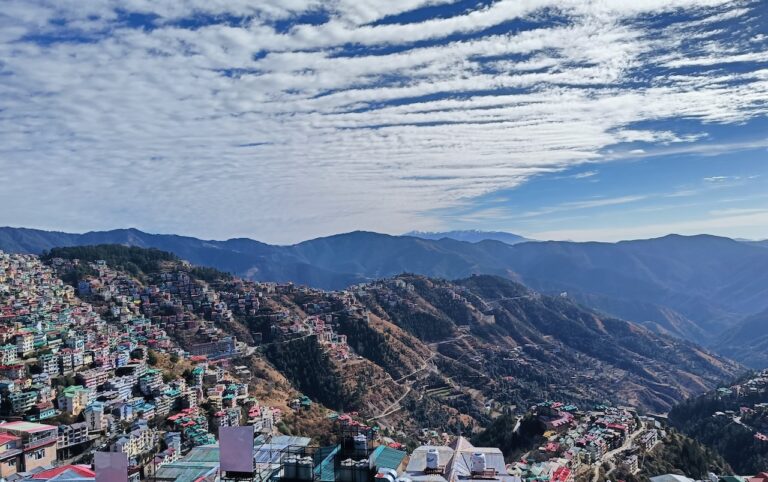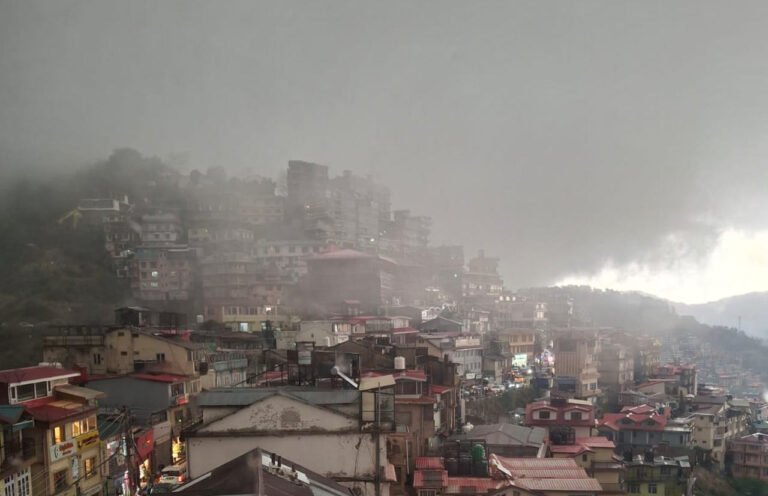
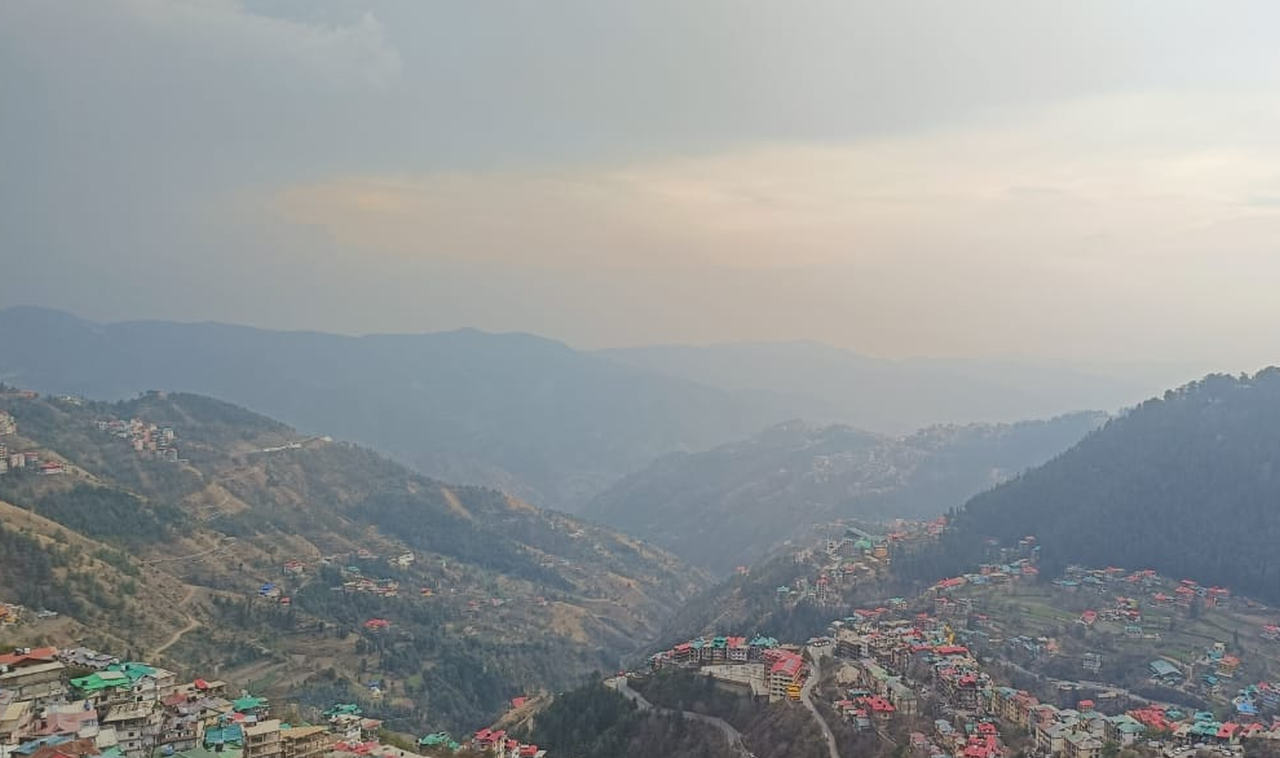
Shimla: Himachal Pradesh has recorded an alarming 86 percent rainfall deficit in February, deepening concerns over crop production and drinking water supply across the state. The sharp shortfall comes amid an already weak winter season, with overall rainfall from January 1 to February 28 remaining 45 percent below normal.
As per official data, 101.8 mm rainfall is considered normal for February, but the state received only 14.7 mm this year. During the winter season so far, Himachal recorded 102.2 mm rainfall against the normal 187.1 mm.
The deficit has been severe in almost all districts. Bilaspur recorded 93 percent less rainfall than normal, Chamba 89 percent, Hamirpur 86 percent, Kangra 90 percent, Kinnaur 83 percent, Kullu 73 percent, Lahaul-Spiti 88 percent, Mandi 75 percent, Sirmaur 94 percent, Solan 96 percent and Una 94 percent less rainfall.
The dry spell has been compounded by significantly less snowfall in higher reaches. Districts such as Kinnaur, Lahaul-Spiti and parts of Chamba, which depend on heavy winter snow to recharge glaciers, rivers and natural water sources, have witnessed below-normal accumulation. Snowmelt during summer sustains irrigation schemes, hydropower projects and drinking water supply in lower regions. Reduced snowfall may directly impact water availability in the coming months.
Horticulture, particularly apple cultivation, is likely to feel the impact. Winter chill hours and adequate soil moisture are critical for flowering and fruit setting. Apple belts in Shimla, Kullu and Kinnaur depend on consistent winter conditions. Experts warn that insufficient chilling and prolonged dryness can lead to irregular flowering, poor fruit size and reduced yield. This could affect the income of thousands of fruit growers who rely on apple and stone fruit crops.
Rabi crops such as wheat and barley may also suffer due to low soil moisture. Farmers are worried that continued dry weather in March could lower production levels and increase irrigation costs.
Urban water supply is another area of concern. Towns including Shimla, Solan, Hamirpur and parts of Kangra depend largely on spring-fed and snow-fed sources. Poor recharge during winter often leads to declining water levels in summer. In previous years, the state capital has faced acute water shortages during peak tourist season, forcing authorities to impose supply restrictions.
Environmental experts have also pointed to a higher risk of forest fires due to dry vegetation and rising temperatures. A prolonged rain deficit could increase vulnerability in forest areas, especially in lower and mid-hill regions.
Scientists attribute such erratic weather patterns to changing climate conditions in the Himalayan region. Frequent rainfall deficits, reduced snowfall and shifting temperature trends are gradually affecting agriculture, horticulture and water security in the state.