
Waknaghat – As infrastructure demands rise and environmental concerns intensify, Prefabricated and Pre-Engineered Building (PEB) systems are emerging as a practical answer to the need for faster and more sustainable construction. Built on the concept of factory-manufactured components assembled on site, these systems significantly reduce construction time, control material wastage and improve structural precision.
In hilly states like Himachal Pradesh, where terrain, weather and transportation challenges often delay projects, such technologies offer a reliable alternative to conventional construction methods. Prefabrication not only ensures better quality control but also lowers carbon emissions and promotes efficient use of resources. With public infrastructure expanding across sectors, experts believe dry construction technologies can help balance development with environmental responsibility.
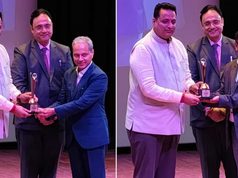
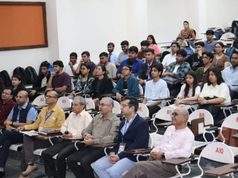
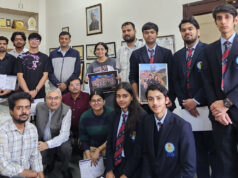
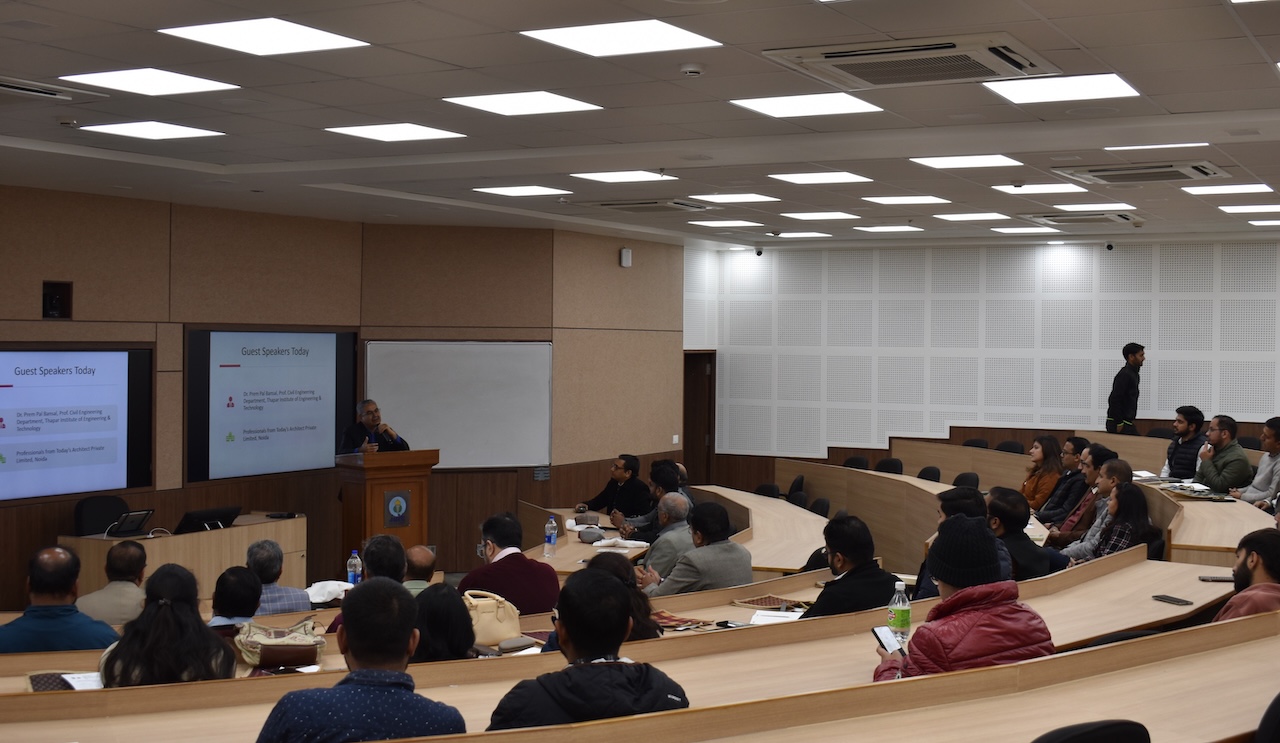
To promote awareness and practical understanding of these technologies, Jaypee University of Information Technology organised a two-day Capacity Building Programme on “Prefabricated and Pre-Engineered Building Systems.” The programme brought together 23 engineers from key government agencies, including Himachal Pradesh Public Works Department (HPPWD), Satluj Jal Vidyut Nigam Limited (SJVNL), and Himachal Pradesh Housing and Urban Development Authority (HIMUDA).
“PEB technology offers faster construction, improved structural efficiency and enhanced quality control. For a state like Himachal Pradesh, adopting such modern systems is not just an option but a necessity for sustainable growth,” said Dr. Tanmay Gupta, Programme Coordinator, while highlighting the long-term benefits of these systems.
Reinforcing this view, Prof. (Dr.) R. K. Sharma, Vice Chancellor of Jaypee University of Information Technology (JUIT), said universities must play a proactive role in bridging the gap between academic research and field implementation. “Holistic education means preparing engineers who can adapt to modern technologies and apply them effectively in real-world projects,” he stated.
Head of the Civil Engineering Department, Prof. (Dr.) Ashish Kumar, said dry construction technologies represent the future of the construction industry. “Prefabrication and pre-engineered systems ensure precision, faster execution and sustainability. These methods are set to transform the way infrastructure is built in the coming years,” he added.
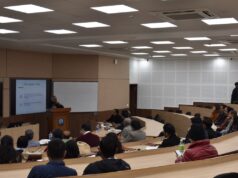
Experts from academia and industry delivered technical sessions on design philosophy, structural aspects and practical implementation challenges. Industry professionals shared real-world case studies, giving participating engineers hands-on insights into modern construction practices.
The initiative highlighted the growing consensus that adopting prefabricated and pre-engineered systems can accelerate infrastructure development while ensuring sustainability, efficiency and long-term resilience.