
Shimla – The Himachal Pradesh government’s decision to bring 100 government schools under the Central Board of Secondary Education (CBSE) from the next academic session has sparked a wave of criticism. While the government claims the shift will enhance the quality of education, critics argue that it will create a divide among students and weaken the state’s own Himachal Pradesh Board of School Education (HPBOSE), which has been serving for over five decades.
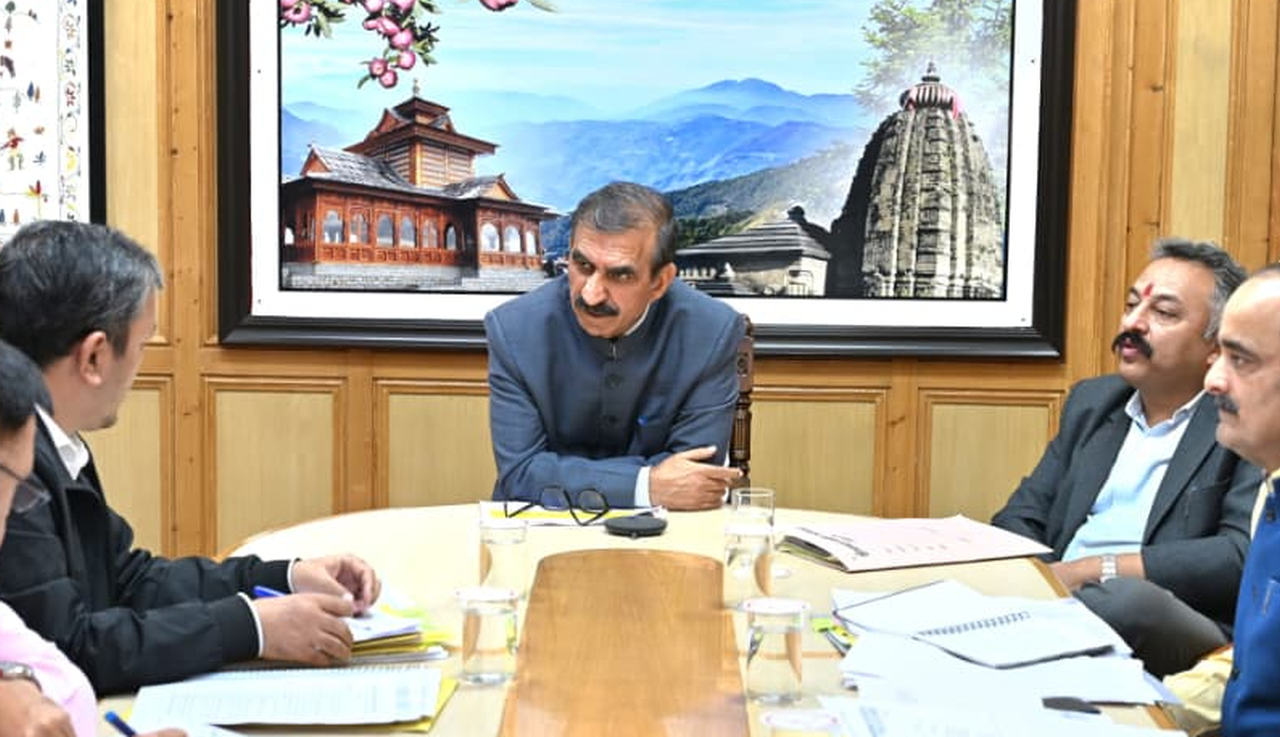
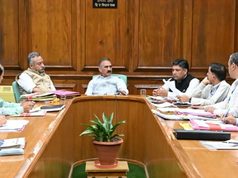
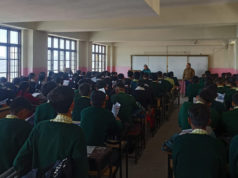
Chief Minister Sukhvinder Singh Sukhu, in a review meeting of the education department on Thursday, directed officials to ensure that the selected schools meet CBSE standards within the set timeframe. These schools will have a distinct colour scheme, different uniforms, smart classrooms, and school messes offering nutritious meals — a move the government describes as a model of “modern education.”
However, the decision has raised more questions than it has answered. If CBSE truly represents superior educational quality, then why does the Himachal Pradesh School Education Board still exist? And if both boards teach the same NCERT syllabus, what exactly is the difference the government is trying to highlight?
Opposition leaders have accused the government of undermining the state’s education identity. BJP chief spokesperson and MLA Rakesh Jamwal alleged that the move is part of a “larger plan to gradually shut down the Himachal Pradesh School Education Board.” He reminded that HPBOSE has been efficiently conducting examinations for 55 years and that its alumni are excelling in various professional fields. “The Sukhu government is disguising its failure to improve the quality of state education by shifting the burden to CBSE,” Jamwal said.
He further pointed out that HPBOSE already follows the NCERT syllabus used by CBSE schools. “If both boards teach the same content, how can one be termed inferior? This is not reform — it’s a misplaced attempt to copy the central model,” he said.
Educationists, too, have expressed concern that the decision will lead to a sense of inequality among students. The introduction of separate uniforms, colour-coded schools, and additional facilities for CBSE schools could create an impression that students studying under the Himachal Board are receiving inferior education. “This will breed psychological division and social disparity rather than improving learning outcomes,” said a retired school principal from Shimla.
The financial implications of the shift are another major concern. Schools seeking CBSE affiliation must pay hefty fees, and the creation of new infrastructure will require substantial funding. Critics have questioned who will bear these costs — the government or parents. “Before claiming to improve quality, the government must clarify who will pay the affiliation and examination fees,” said Jamwal.
The BJP also accused the state government of dismantling institutions established under the previous regime, claiming that over 1,000 such institutions have already been denotified. “Now, under the pretext of better education, the government is targeting the HP Board of School Education, which is financially self-sufficient and even owes ₹87 crore to the state exchequer,” Jamwal added.
While the government insists that the move is aimed at aligning the education system with national standards, critics say the policy is symbolic and superficial. Instead of investing in teacher training, classroom resources, and digital infrastructure — the real factors behind quality education — the focus appears to be on board affiliation and appearance.
As Himachal readies for the CBSE transition, one question echoes in classrooms and homes alike — is this reform about improving education or merely repainting it in new colours?