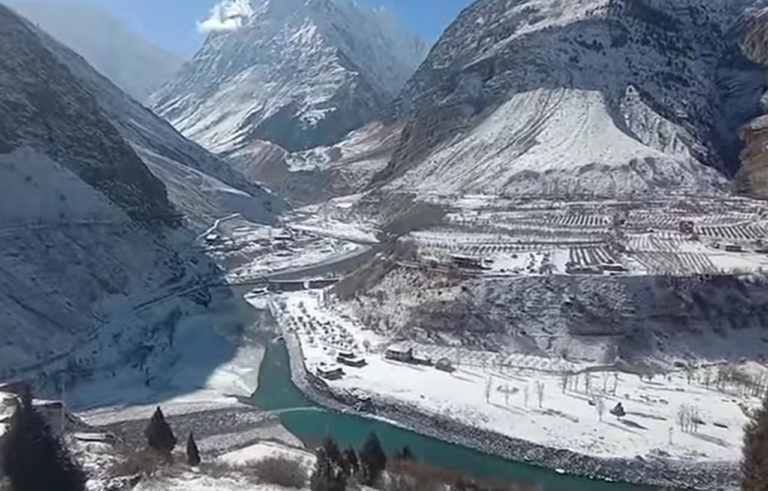
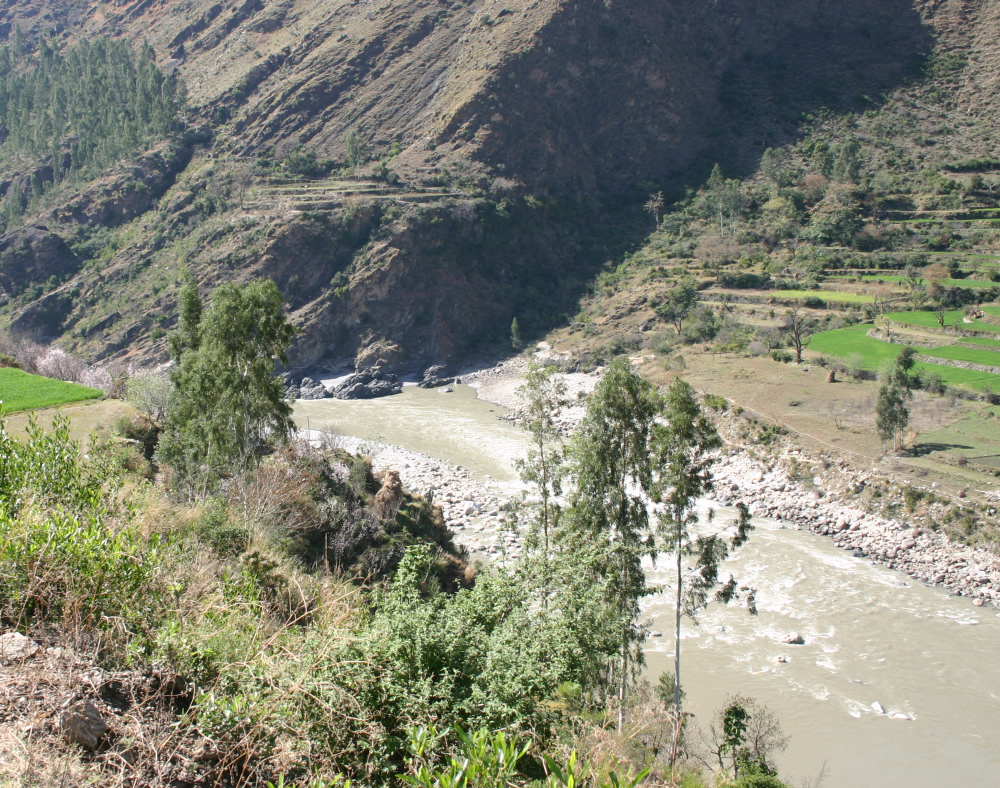
The Centre is set to begin work on the long-discussed Chenab-Beas Link Tunnel project, aimed at diverting surplus water from the Chandra River in Lahaul toward the Beas basin through an underground tunnel network beneath the Pir Panjal range. The project is being seen as a major strategic and infrastructure push after the suspension of the Indus Waters Treaty with Pakistan.
Sources said activity related to the project has intensified in New Delhi, although an official announcement is yet to be made. Under the proposal, an 8.7-kilometre-long tunnel will be constructed in the Koksar area of Lahaul-Spiti at an estimated cost of ₹2,352 crore. The overall expenditure, including the silt management system and allied infrastructure, is expected to touch nearly ₹2,600 crore.
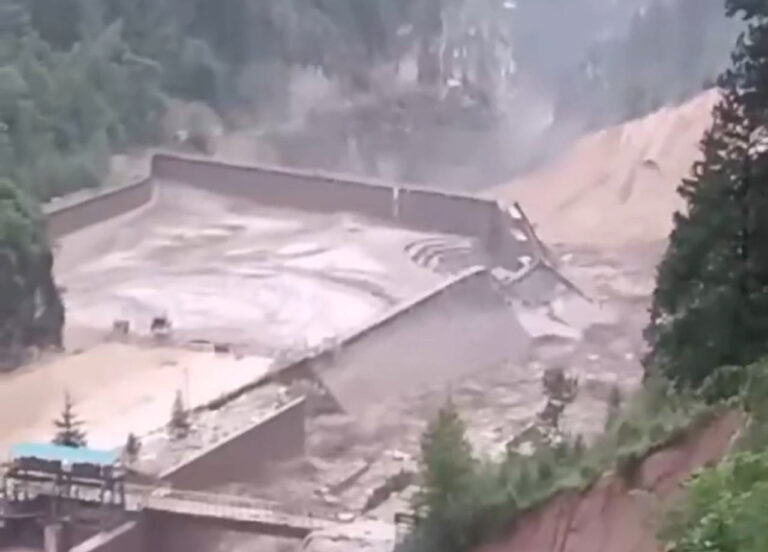
As part of the project, a 19-metre-high barrage is also proposed on the Chandra River in Lahaul Valley to regulate water flow and divert it into the tunnel system. The initiative is part of a larger plan to channel water from the Chenab basin toward the Beas basin through hydraulic structures and tunnels.
Officials and experts believe the project could significantly enhance Himachal Pradesh’s hydropower generation capacity. If implemented successfully, the scheme may help create additional hydroelectric power generation of nearly 4,000 MW in the state. The project is also expected to strengthen irrigation and water management systems in parts of North India.
Reacting to the development, Hamirpur MP Anurag Singh Thakur said the project would benefit Himachal Pradesh as well as the entire northern region of the country.
“The Chenab-Beas Link Tunnel project stands to benefit the entire North India region, including Himachal Pradesh. This project will propel the nation further toward self-reliance in the water and energy sectors. Following Operation Sindoor and the suspension of the Indus Waters Treaty with Pakistan, this move by the government will prove instrumental in further strengthening our national interests,” he said.
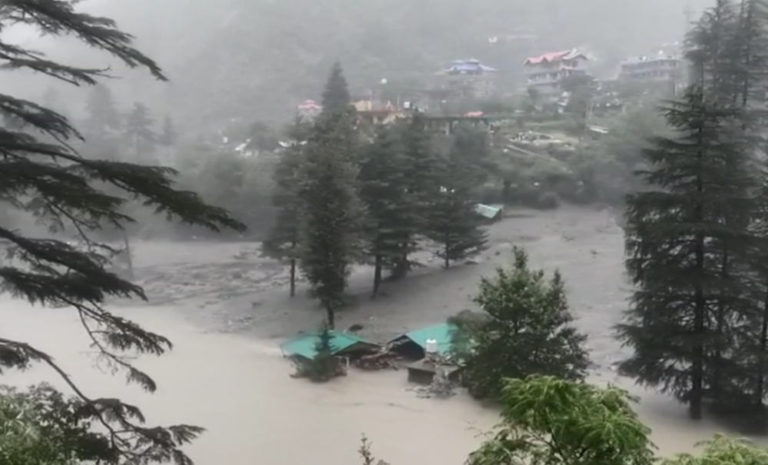
The project is also being linked to provisions under the 1960 Indus Waters Treaty, which allows India certain rights over the use of waters from the western rivers. Experts, however, have stressed that detailed environmental and geological studies will be crucial before large-scale execution begins, especially considering the fragile Himalayan ecology and the challenging terrain of Lahaul-Spiti.
The proposal has already generated discussion in Himachal Pradesh, where hydropower remains one of the state’s major economic resources. Experts say the tunnel project could open new opportunities in renewable energy generation, but concerns related to ecological impact, glacial systems, seismic sensitivity, and downstream river flow patterns are also expected to be examined closely during the approval and implementation stages.