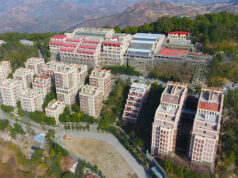


As infrastructure challenges grow in hilly regions like Himachal Pradesh, the Department of Civil Engineering at Jaypee University of Information Technology (JUIT), Waknaghat, is focusing on sustainability and disaster resilience to prepare future-ready engineers.
The department offers B.Tech in Civil Engineering, along with M.Tech programmes in Construction Management, Structural Engineering and Environmental Engineering, besides doctoral research opportunities. These programmes are designed to address emerging challenges such as landslides, unplanned construction, and environmental degradation, which are common in mountainous regions.
A strong emphasis is placed on practical learning. Students are trained through advanced laboratories, field visits and hands-on modules that help them understand real-world engineering problems. Facilities such as geotechnical investigation systems, hydraulic flumes, shake table testing and environmental labs provide direct exposure to structural behaviour and soil conditions.
The department’s faculty, comprising experts with doctorates from institutions like IITs and NITs, plays a key role in maintaining academic and research standards. Their involvement in consultancy and funded projects ensures that students stay connected with industry trends and technological advancements.
JUIT’s Civil Engineering department has also built a solid research base. With a departmental H-index of 39, over 200 postgraduate dissertations, and several completed and ongoing PhDs, the department continues to contribute to knowledge creation. It is actively engaged in projects funded by organisations such as the Department of Science and Technology (DST), HIMCOSTE and the District Disaster Management Authority (DDMA).
Key research areas include slope stability, ground improvement, construction materials, structural dynamics, air quality monitoring and municipal solid waste management. These areas are directly linked to the needs of Himachal Pradesh, where fragile terrain and rapid urbanisation pose serious risks.
The department maintains strong industry linkages, enabling students to secure internships with organisations like the National Highways Authority of India (NHAI), Himachal Pradesh Public Works Department (HPPWD) and SJVNL. Engagement with professional bodies such as the Indian Geotechnical Society and the Indian Green Building Council further enhances student exposure.
Beyond academics, the department is playing an active role in disaster management and capacity building. It works closely with government agencies and contributes to technical advisory committees, while also conducting training programmes for engineers, masons and officials.