

Shimla DC Reviews Situation with Kol Dam and Luhri Project Officials
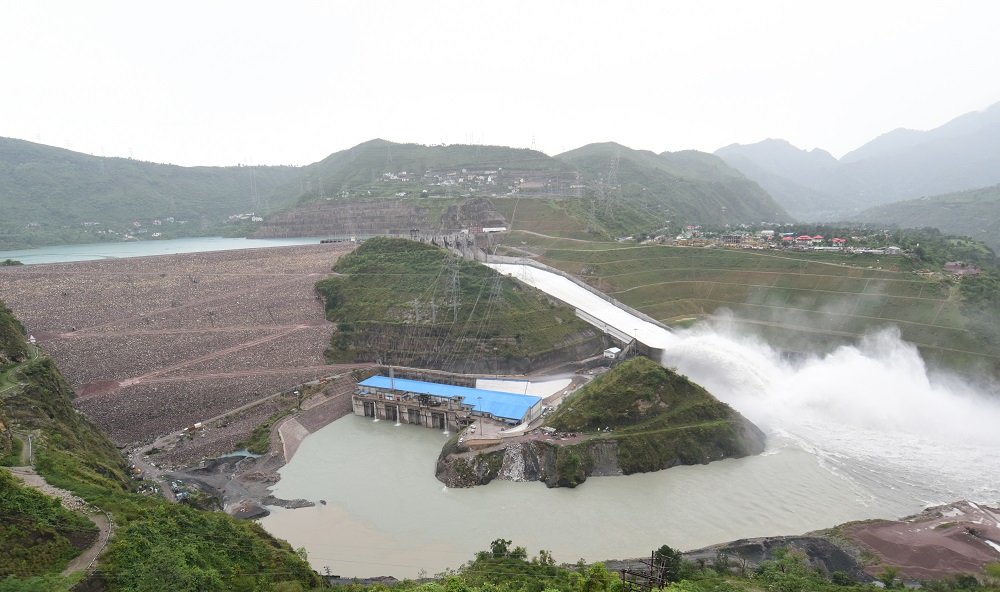
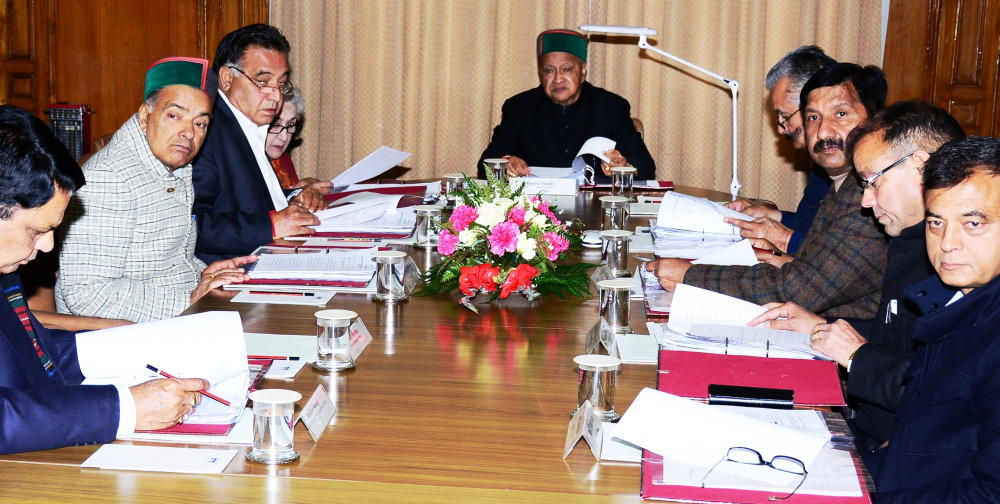
Shimla: Alarmed by the rising water levels and increasing silt accumulation in the Sutlej River, the Shimla district administration has initiated action to assess the threat faced by residents in the Sunni region. Deputy Commissioner Anupam Kashyap on Thursday held a special review meeting with officials of NTPC’s Kol Dam and the Luhri Hydro Project to discuss safety measures and the growing risk to nearby settlements.
Officials informed the Deputy Commissioner that the Kol Dam management will conduct a sonar-based silt survey in the Sunni stretch beginning December 15. The survey, which uses sound waves to detect and map underwater formations, is expected to be completed within 15 to 20 days. Once the report is submitted, the administration will draw up a future strategy to protect affected areas.
DC Kashyap said the administration’s top priority is safeguarding people’s lives and property. He visited multiple locations in Sunni that were flooded this year, including the ITI campus, the rest house, a cowshed, and several residential areas, where thick layers of silt had accumulated. “No person’s life or property should be harmed. We will take all necessary steps to ensure safety,” he said.
The meeting also discussed alarming findings from a 10-year IIT Roorkee study (2014–2024) on silt behaviour in the Sutlej River. According to the report, silt levels remained unchanged from 2014 to 2021. However, after 2021, there has been a sharp and rapid increase in silt deposition, especially in the Tattapani and Sunni zones.
In Zone One (Tattapani), silt spread rose from 7 hectares in 2022 to 27 hectares in 2023.
In Zone Two (Sunni), the silt area expanded drastically from 0.5 hectares in 2022 to 10 hectares in 2023.
The district administration is treating the situation as critical, as unchecked silt accumulation has increased flood vulnerability in the region. The upcoming sonar survey will play a key role in determining the next steps for mitigation, monitoring, and long-term river management.