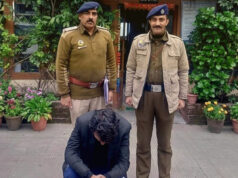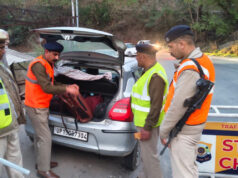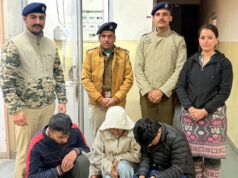


Himachal Pradesh’s intensified fight against narcotics has led to a sharp 28 per cent rise in NDPS cases over the past three years, with 5,642 cases registered, 8,216 arrests made, and 36.657 kg of chitta seized, reflecting a sustained crackdown on drug networks across the state.
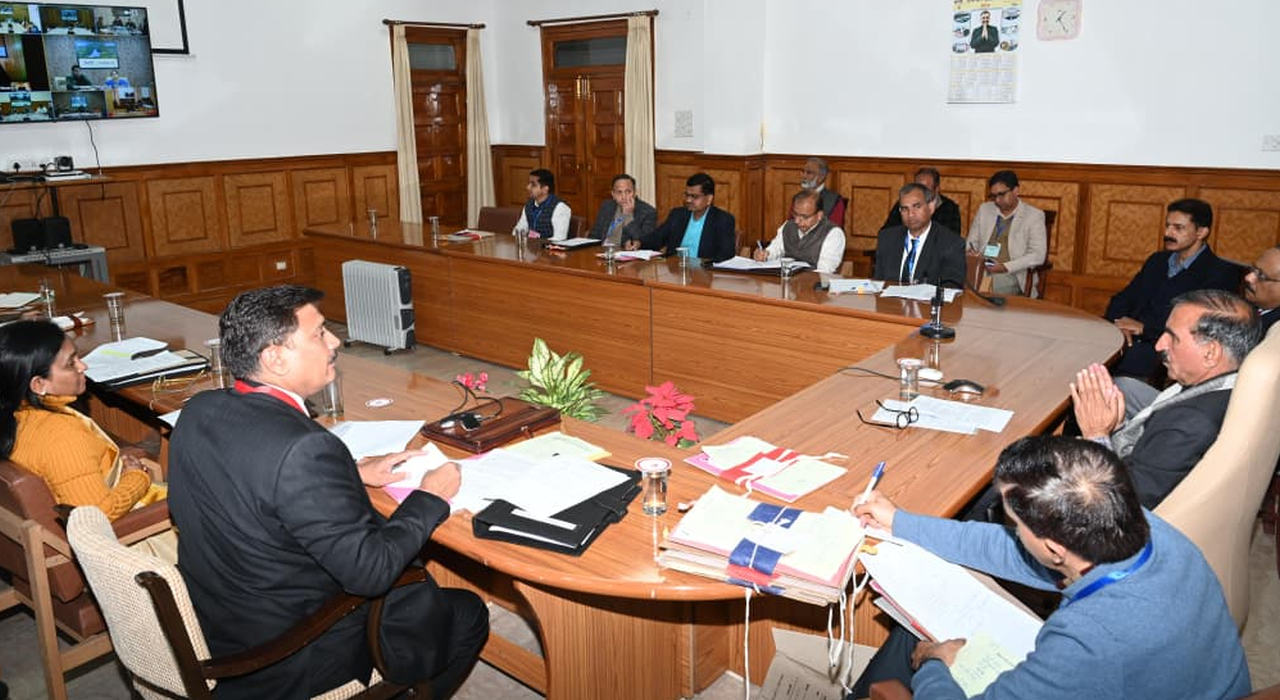
Chief Minister Sukhvinder Singh Sukhu said the increase in cases is the result of stronger enforcement, wider surveillance and coordinated efforts with central agencies. The state has also tightened monitoring in panchayats identified as sensitive to drug activity, deploying CID and police personnel to curb trafficking.
The Chief Minister said the government is not limiting its efforts to enforcement alone. Counselling, treatment and rehabilitation mechanisms are being strengthened to help youth affected by addiction. Drug testing has been made mandatory for all government recruitments, while Anti-Drug Clubs and Prahari Clubs in educational institutions are being made more active.
Himachal has also become the first state in the country to classify panchayats into red, yellow and green categories based on drug vulnerability. Under this system, authorities have identified nearly 12,000 individuals linked to drug abuse or trafficking, enabling quicker intervention.
Sukhu said that action under the PIT-NDPS Act has intensified with 46 key traffickers detained, and illegal assets worth ₹48 crore seized. District administrations have been instructed to identify properties acquired through the drug trade for demolition.
The state has recently carried out a series of operations that delivered major blows to trafficking networks. Naka checks on November 17–18 examined 16,441 vehicles, resulting in 13 NDPS cases. On November 22, simultaneous raids at 121 locations targeted ten major drug networks. A special operation on November 25 inspected 41 educational campuses and 598 shops, registering 12 cases and issuing 385 challans.
The Chief Minister appealed to citizens, youth groups, Mahila Mandals and Panchayati Raj representatives to actively participate in the ongoing anti-chitta campaign, stressing that community cooperation is critical to safeguarding the state’s younger generation.