
Shimla – The Himachal Pradesh Cabinet decided to invite objections and suggestions from the public on proposed amendments to certain provisions of the Himachal Pradesh Panchayati Raj (Elections) Rules, 1994 related to reservation in Panchayati Raj institutions.
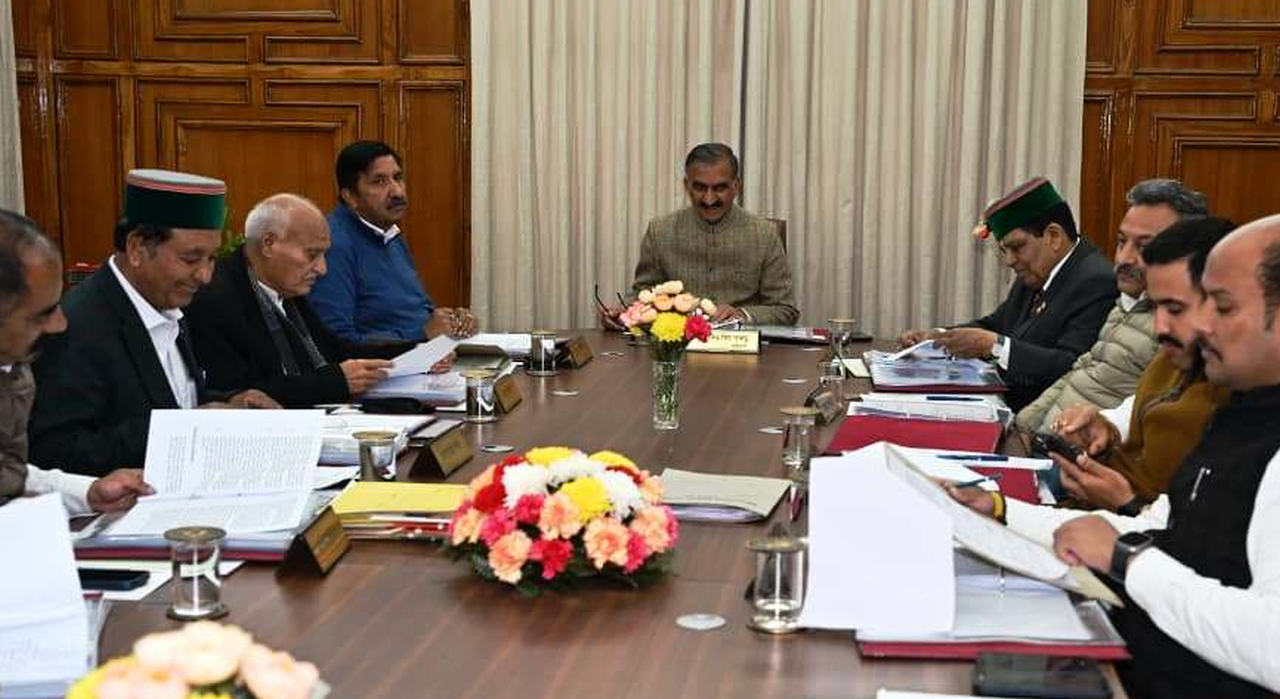
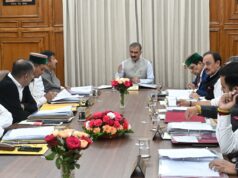
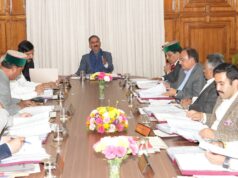
The decision was taken in a Cabinet meeting chaired by Chief Minister Sukhvinder Singh Sukhu. According to the proposal, amendments are being considered in Rules 28, 87, 88 and 89 of the election rules.
The proposed changes state that Panchayats which have remained reserved continuously for two consecutive terms since the base year 2010 will not be reserved again in the forthcoming Panchayat elections. The move is aimed at ensuring a fair rotation of reserved seats and giving more Panchayats an opportunity to contest under the general category.
Officials said the draft amendments will be placed in the public domain so that citizens and stakeholders can submit their suggestions and objections before the rules are finalised.
Reservation of seats and offices in Panchayati Raj institutions in Himachal Pradesh is determined on the basis of population of Scheduled Castes, Scheduled Tribes and women, and the roster is rotated in every election cycle to ensure wider representation. The reservation roster system has been in place since the 2010 Panchayat elections and is implemented according to population-based criteria and constitutional provisions for local bodies.
The proposed amendment has come at a time when preparations are underway for the next Panchayati Raj Institution (PRI) elections in the state. The elections are required to be held before the end of May 2026 following directions from the Supreme Court after earlier delays due to monsoon-related damage and administrative issues.
The state currently has more than 3,600 gram panchayats, along with panchayat samitis and zila parishads, where representatives are elected every five years. The upcoming elections are expected to involve around 35,000 staff members and nearly 22,000 polling stations across the state.