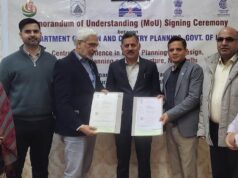

Shimla: The Himachal Pradesh government has decided to regulate building construction more strictly by identifying safe zones for future projects through land mapping. This mapping exercise will be carried out with the help of the central government to determine which areas are suitable for construction and which are prone to disasters.
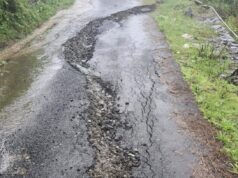
The decision comes in the wake of devastating landslides, cloudbursts, and the sweeping away of houses and infrastructure built along riverbeds during recent monsoon disasters. Dozens of homes collapsed and key roads were washed away in the last rainy season, exposing the vulnerability of unplanned construction in ecologically fragile zones.
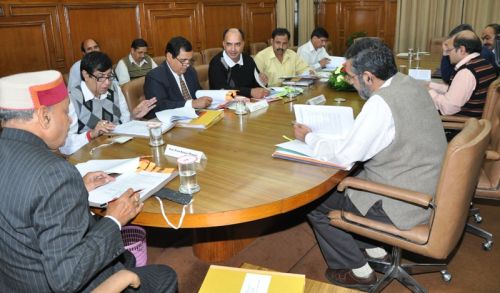
Town and Country Planning (TCP) Minister Rajesh Dharmani said that people purchasing 1,000 square meters of land in urban areas and 600 square meters in TCP areas will now come under the purview of TCP rules. They will have to take prior permission from the department and get their building maps approved before starting any construction work.
The minister criticized the previous BJP government for removing the condition of obtaining a No Objection Certificate (NOC) for building construction just before the assembly elections, terming it a politically motivated decision. He said that during that period, people constructed houses at their own will without following regulations, which has contributed to the present situation where buildings and electric poles are collapsing. Dharmani said that if the NOC condition had been in force, construction would have taken place as per safety norms, and such risks could have been avoided. He emphasized that such mistakes should not be repeated.
Experts point out that most large projects and residential complexes in Himachal have been built along drains, ravines, and unstable slopes, increasing vulnerability to flash floods and landslides. Studies by the Geological Survey of India and the National Institute of Disaster Management have repeatedly warned that construction on riverbeds and steep gradients weakens soil stability and blocks natural drainage paths, leading to higher chances of slope failure during intense rainfall.
Dharmani said that future construction should take place only in areas where there is no risk, and mapping will play an important role in identifying safe locations. He warned that climate change is intensifying extreme weather events like cloudbursts, and such changes are not limited to Himachal but are being observed across the country and the world.
Urban planners recommend adopting a strict zoning policy that prohibits construction in river catchment areas, introducing slope stability studies before any building approval, and ensuring green buffers along rivers to absorb flood impact. The government’s plan to bring large plots under TCP norms is seen as a move toward controlled development, aiming to reduce unplanned growth, protect lives, and minimize losses caused by natural disasters in the state.