

CM Sukhu’s decision to shift government schools to CBSE sparks debate over the credibility of the Himachal Pradesh Board of School Education
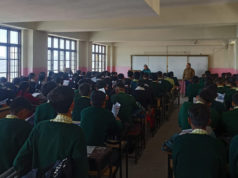
In a move that has triggered sharp debate across Himachal Pradesh, the state government has decided to shift nearly 100 government senior secondary schools to the Central Board of Secondary Education (CBSE) from the upcoming academic session. With 1,900 senior secondary schools currently affiliated with the Himachal Pradesh Board of School Education (HPBOSE), this decision is being projected as a step toward preparing students for competitive national-level exams like JEE, NEET, and CUET.
But the shift raises serious questions. If the CBSE curriculum is better, why not merge all schools into it? And if the Himachal Board is not capable of preparing students for competitive exams, why has it been allowed to operate for decades, putting the careers of lakhs of students at stake?
This piecemeal transition to CBSE appears to be an open indictment of the state’s own education system — one that not only undermines the potential of HPBOSE but also risks creating a dual education structure that could deepen inequality.
Strong City Schools, Struggling Rural Ones
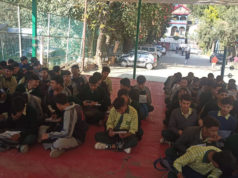
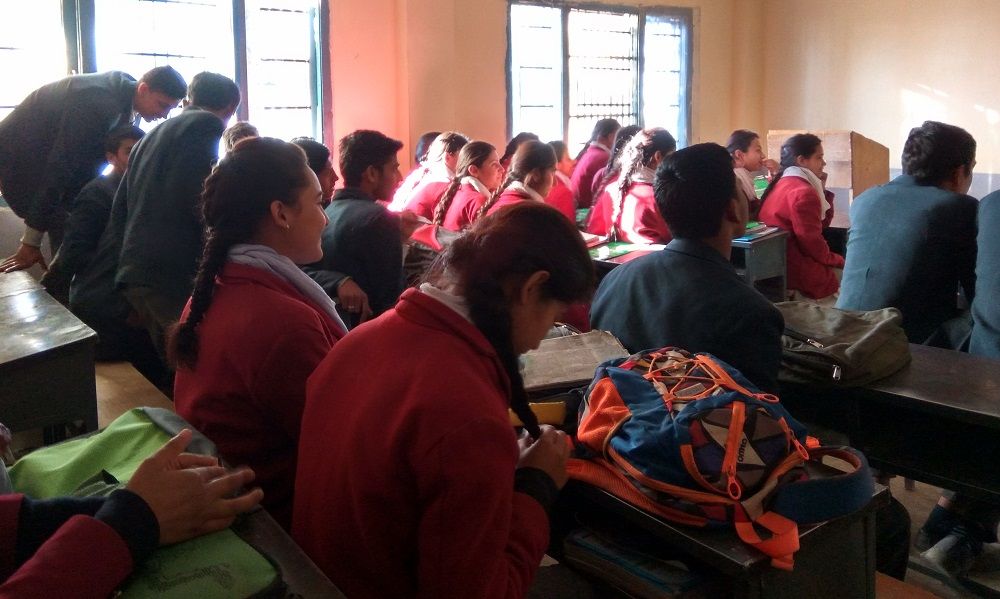
Ironically, most schools under the HP Board located in city areas are already performing well — thanks to better student strength, strong academic results, and teachers preferring to serve in urban centers. It’s the remote and rural schools that are struggling, yet the government has no concrete plan to strengthen them. Instead of addressing this imbalance, the government is focusing on a model that risks leaving the most vulnerable students further behind.
Playing with the Future?
Teachers, parents, and education experts are voicing growing concern over what they see as a half-baked approach. “If the state board is not good enough, then why hasn’t the government invested in overhauling it? And if it is, why push students toward a parallel system?” asked a senior educator from Shimla.
Critics argue that the government’s decision effectively sends a message that students under HPBOSE are at a disadvantage, creating a perception that only CBSE students are capable of succeeding in national-level exams. This sends the wrong signal to thousands of students who continue to study under the HP Board.
The first phase will prioritise schools at sub-divisional headquarters or those acting as rural education hubs. Atal Adarsh Vidyalayas, started under the previous BJP regime, will also be included. But this selective implementation has sparked resentment, with many questioning why only a few students will benefit from national-level opportunities while the majority are left with an “inferior” system.
“If this is about creating equality in opportunity, why not give every school the same support and upgrade the HP Board system as a whole?” said a teacher in Chamba. “What is the point of reform if it only applies to a few?”
A Vote of No Confidence in HPBOSE?
This move is being seen by many as a vote of no confidence in the Himachal Pradesh Board of School Education. If CBSE is the only viable system for competitive exams, is the government preparing to phase out the state board altogether?
Instead of modernising the HP Board curriculum, training teachers, and investing in infrastructure across the board, the government seems to be outsourcing its responsibilities to CBSE — a move that may benefit some students but leave the majority behind.
The Big Question
If the government truly wants to reform education, it needs to invest equitably across the system — not create islands of excellence while abandoning the rest. At a time when education should be a great equaliser, Himachal is on the verge of building a divided system — one for the fortunate few, and another for the forgotten majority.
So the question remains: Is the government ready to stand by its own education board, or will it continue placing CBSE on a pedestal while slowly eroding the future of its own students?