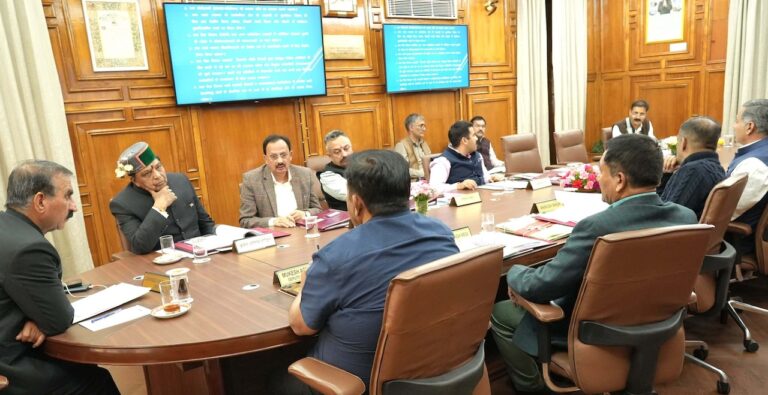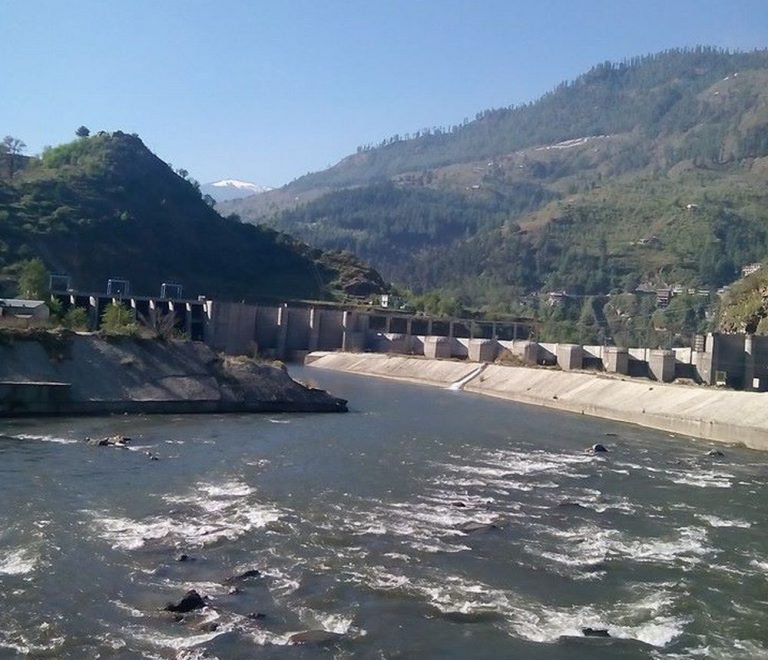
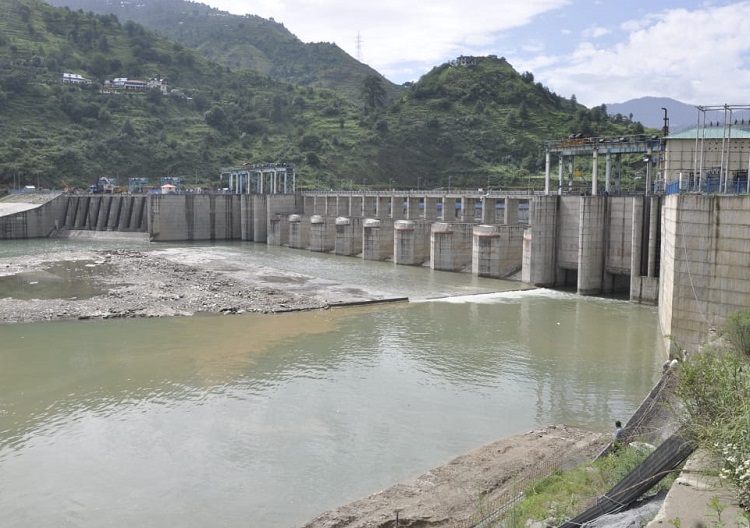
Shimla – In a major policy reset aimed at reviving the hydroelectric sector, the Himachal Pradesh Cabinet has approved the cancellation of 194 hydro projects that remained stalled for years. Among these, 172 were small hydropower projects—each below 5 MW—earlier allotted under the HIMURJA scheme, where construction work had not progressed for an extended period. These projects will now be re-advertised to attract fresh bids from committed developers.
In addition, 22 hydro projects above 5 MW capacity, allotted by the Directorate of Energy, have also been cancelled due to the failure of developers to sign implementation agreements. For the remaining delayed projects, developers have been granted time until August 5, 2025, to respond to notices already served.
The Cabinet has also brought in uniformity in royalty policy. It has been decided that all new hydro projects up to 5 MW will be required to provide 12 percent free power to the state, along with an additional one percent earmarked for the Local Area Development Fund (LADF), which supports community welfare in project-affected areas.
To resolve long-pending financial disputes, the Cabinet approved the formation of a high-level committee to negotiate with 14 developers for an out-of-court settlement. The objective is to recover the principal amount of the upfront premium paid by these developers at the time of project allotment, without any interest component.
Himachal Pradesh, with a hydro potential of about 25,000 MW, has long banked on hydropower as a major revenue source and a key contributor to clean energy. However, a large number of projects, especially small hydel ventures, have remained inactive due to a combination of regulatory delays, land acquisition issues, environmental clearances, and financial non-performance by developers.
Research suggests that more than 40 percent of allotted small hydro projects in the state have either failed to take off or have been indefinitely delayed. In sensitive regions like Kinnaur, Chamba, and Lahaul-Spiti, projects have faced local opposition due to environmental concerns and threats to traditional livelihoods. Many developers, especially those lacking strong financial backing, have not been able to fulfill basic obligations, including construction timelines and infrastructure development.
The stalled projects have not only affected the state’s ability to generate clean energy but have also disrupted its long-term revenue projections. Moreover, the lack of progress has discouraged new investment, with developers increasingly wary of bureaucratic roadblocks and litigation risks. The new policy changes, particularly the streamlined royalty regime and re-allotment of cancelled projects, are seen as an effort to rebuild investor confidence and restore momentum in the sector.
The state government is hoping that with stronger scrutiny during the allotment process, clear timelines, and community-inclusive benefit models, the upcoming hydro projects will be implemented more effectively. Officials believe that the move will not only unlock green energy potential but also ensure that local communities receive tangible benefits, helping Himachal Pradesh strengthen its position as a key player in India’s renewable energy push.