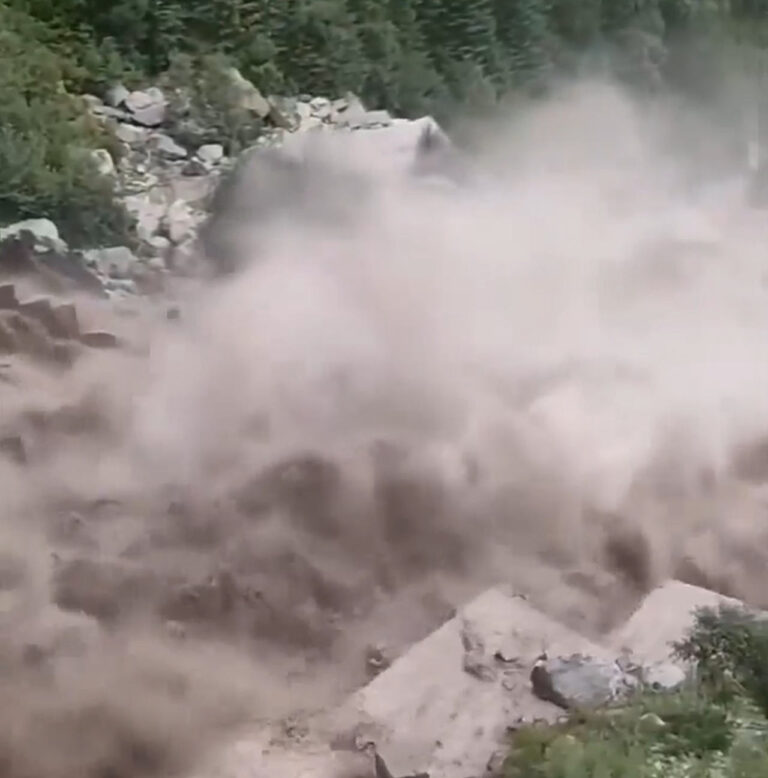
Shimla: Himachal Pradesh is set to witness an active monsoon spell over the next week, with the India Meteorological Department (IMD) forecasting widespread rainfall across the state till July 10. An Orange Alert has been issued for Mandi, Kangra, Chamba and Sirmaur districts over the next two days, warning of heavy to very heavy rainfall that could trigger landslides, flash floods and disruption of road traffic in vulnerable areas.
According to the IMD, light to moderate rainfall is likely across most parts of the state on July 6, 7 and 8, while isolated places may receive heavy to very heavy rain on July 6 and 7. Heavy rainfall is also expected at some locations on July 8. The department has also forecast light to moderate rain on July 9 and 10, indicating that the wet spell is likely to continue throughout the week.
The Orange Alert has been issued for Mandi and Sirmaur districts on July 6, while Chamba, Kangra and Sirmaur will remain under an Orange Alert on July 7. A Yellow Alert has been issued for several other districts, including Shimla, while Solan, Bilaspur and Sirmaur are under a Yellow Alert for the day.
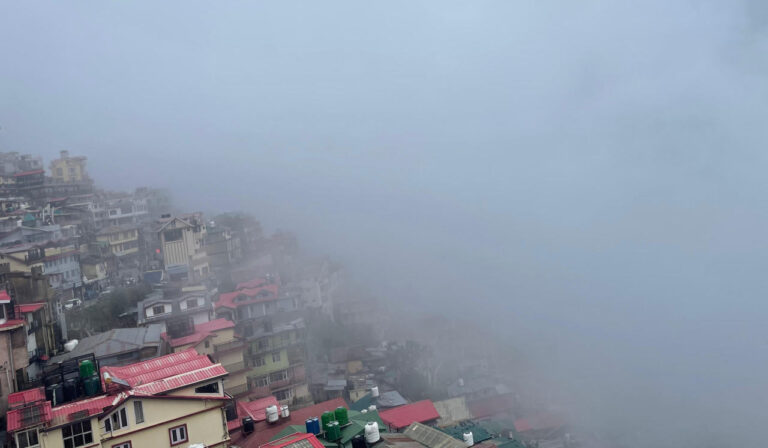
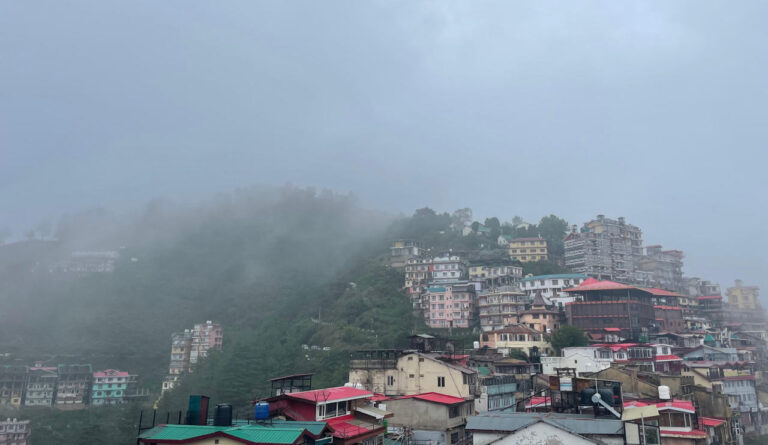
Intermittent rainfall continued in several parts of the state, including Shimla, on Saturday. While the showers have brought relief from humid weather, they have also increased the risk of landslides, falling rocks and waterlogging, particularly in the hill districts where monsoon-related incidents are common.
The current monsoon season has already recorded significantly above-normal rainfall. Between July 1 and July 3, Himachal Pradesh received 30.9 mm of rainfall against the normal 15 mm, registering 106 per cent excess rainfall during the period.
District-wise data show Kinnaur recorded the highest departure at 423 per cent above normal, followed by Kullu (195%), Sirmaur (143%), Solan (140%), Una (130%), Kangra (125%), Shimla (117%), Chamba (107%), Mandi (46%), Hamirpur (45%) and Bilaspur (37%). Lahaul-Spiti was the only district to receive below-normal rainfall, recording 30 per cent less rainfall than the seasonal average.