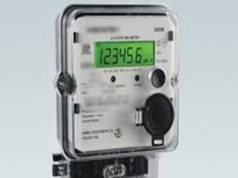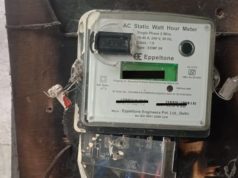


The controversy over the installation of smart electricity meters is intensifying in Himachal Pradesh as employees of the Himachal Pradesh State Electricity Board and consumers have raised objections, citing rising electricity bills and concerns over the rollout of the new technology.
The latest protest was held outside the Chief Engineer’s office at Mattan Sidh, where electricity board employees and pensioners demonstrated against a directive prioritising the installation of smart meters in their homes. The order, issued by the Chief Engineer (Operations) of the Hamirpur Zone, directed officials to replace old electricity meters with smart meters for employees and pensioners on a priority basis.
Leaders of the electricity employees’ union and the pensioners’ forum opposed the decision and demanded that the order be withdrawn. Addressing the protest, union leaders claimed that employees and engineers across the country are already opposing the smart meter programme. They alleged that the technology is costly and unnecessary for consumers and is being promoted through the proposed electricity sector reforms aimed at encouraging privatisation and benefiting private companies.
Union leaders claimed that the large-scale installation of smart meters in the state could create an additional financial burden of around ₹2,500 crore, which they said would ultimately be recovered from consumers through electricity bills. They also described the decision to prioritise installation at the homes of employees and pensioners as discriminatory.
The leaders warned that if the electricity board management does not withdraw the directive, a large protest will be organised at the Chief Engineer Operations office in Dharamshala on March 9.
Meanwhile, consumer complaints regarding unusually high electricity bills after the installation of smart meters have also surfaced in different parts of the state. A recent case from Chail Chowk has drawn attention after a medical shop owner received an electricity bill of ₹92,746 following the installation of a smart meter.
Sunil Kumar, a resident of Satkhan village who runs the medical store, said that his monthly electricity bill was usually around ₹400. However, after the installation of the smart meter, he received an unusually high bill, which left him shocked. He said the electricity consumption of his shop had not increased and demanded that the department recheck the meter readings and verify the bill.
Local traders have also expressed concern, and the local chamber of commerce has demanded that the electricity department investigate the matter. Similar complaints of sudden increases in electricity bills have been reported from several districts after the installation of smart meters.
In Kangra district, strong opposition from residents had earlier forced the electricity board to modify its plan, deciding to install smart meters first in the homes of its employees in the initial phase. The growing protests by employees, pensioners and consumers have turned the smart meter rollout into a major issue in the state’s power sector.