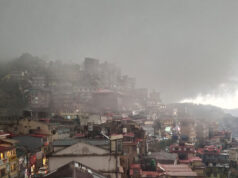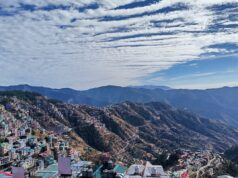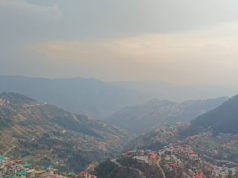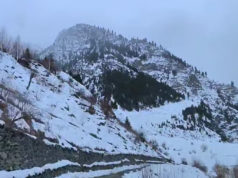


Himachal Pradesh is witnessing an alarming winter weather pattern, with a sharp fall in rainfall and snowfall pushing large parts of the state towards drought-like conditions. Meteorological data show that the state has received around 88 percent less rainfall than normal this winter, a deficit that reflects a wider and worrying trend across the Himalayan region.
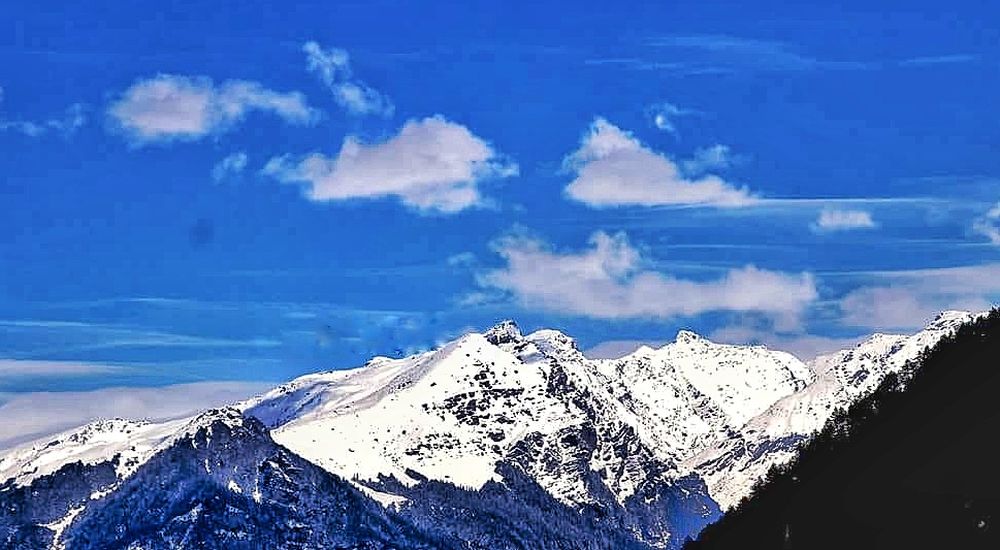
According to weather experts, winters over the last five years have consistently recorded below-average snowfall compared to the 1980–2020 period. Large stretches of the Himalayas, including Himachal Pradesh, are unusually bare and rocky at a time when mountains are normally snow-covered. Scientists describe this phenomenon as a “snow drought”, where snowfall is significantly lower and snow does not persist on the ground for long.
Climate change, rising temperatures behind decline in snowfall
Rising temperatures due to global warming are a major factor behind the changing winter pattern. Even when snow does fall, it melts rapidly, especially in lower and mid-elevation areas, which are increasingly seeing rain instead of snow. Scientific assessments, including those cited by the Intergovernmental Panel on Climate Change (IPCC), link this shift directly to climate change.
Research indicates that snowfall in the north-western Himalayas has declined by nearly 25 percent in the past five years when compared to the 40-year average between 1980 and 2020. A 2025 study using multiple climate datasets confirms a steady decrease in winter precipitation across the western and parts of the central Himalayas, including Himachal Pradesh.
Record low snow persistence raises alarm
Another critical indicator, snow persistence—the duration snow remains on the ground—has also hit historic lows. The 2024–25 winter recorded a 23-year low, with snow persistence nearly 24 percent below normal across the Hindu Kush Himalayan region. Experts say four of the last five winters have seen below-normal snow persistence, worsening water stress.
This decline has serious implications because snowmelt contributes nearly one-fourth of the annual runoff of major river basins originating in the Himalayas. Reduced snow accumulation threatens drinking water supply, irrigation, and hydropower generation, impacting millions of people downstream.
Impact on agriculture and forests in Himachal
In Himachal Pradesh, the prolonged dry spell has already begun affecting rabi crops such as wheat, barley, mustard, peas, and vegetables, particularly in rain-fed areas. Apple growers are also concerned, as winter snowfall is essential for chilling hours, soil moisture, and pest control. A poor winter can directly affect apple productivity in the coming season.
Experts warn that low winter precipitation increases the risk of forest fires during the summer months, as forests remain dry and vulnerable. In addition, reduced snow and retreating glaciers weaken mountain stability. The loss of ice and snow—often described as the “cement” holding mountains together—has led to a rise in landslides, rockfalls, glacial lake outbursts, and debris flows in recent years.
Weak Western Disturbances add to crisis
Meteorologists attribute much of the declining winter rainfall and snowfall to weakening Western Disturbances, weather systems that traditionally bring moisture from the Mediterranean region to north India. The India Meteorological Department has described most Western Disturbances this winter as “feeble”, producing only minimal rain and snow.
Weather data suggests that many parts of northwest India, including Himachal Pradesh, could see up to 86 percent less precipitation than the long-period average between January and March. Scientists believe these disturbances are becoming weaker and may also be shifting northwards, reducing their ability to draw moisture from the Arabian Sea.
Fresh Western Disturbance offers brief relief
Amid the grim outlook, the weather department has forecast a fresh Western Disturbance, which is expected to bring rain and snowfall over the next three days in Himachal Pradesh. Higher reaches may receive snowfall, while mid and lower hill districts could witness light to moderate rain, offering short-term relief from the ongoing dry spell.
However, experts caution that sporadic precipitation will not be enough to reverse the damage caused by a prolonged winter deficit. Sustained and normal snowfall is crucial to restore soil moisture, recharge water sources, and stabilise fragile Himalayan ecosystems.
A growing long-term threat
Scientists warn that the Himalayas are now facing double trouble—rapid glacier melt combined with declining snowfall. This combination poses long-term water scarcity risks and immediate threats to agriculture, disaster management, and livelihoods in hill states like Himachal Pradesh.
As climate signals grow stronger each winter, experts stress the need for long-term adaptation strategies, improved water management, and climate-resilient farming to reduce the impact of an increasingly unpredictable Himalayan winter.