

Himachal Pradesh is staring at a public health crisis, and the rising cancer numbers are a stark reminder of systemic failure. The latest figures presented in the Vidhan Sabha reveal an alarming trend: 2,428 cancer cases were recorded in 2022, 2,362 in 2023, and 1,836 so far in 2024.
Shimla topped the list with 493 cases this year, followed by Mandi with 425, Kullu with 210, and Solan with 128. Other districts such as Chamba (124), Sirmaur (116), Hamirpur (101), Kangra (90), Kinnaur (38), Una (26), and Lahaul-Spiti (13) have also reported cases, highlighting the widespread nature of the disease.
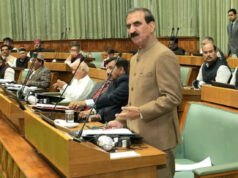
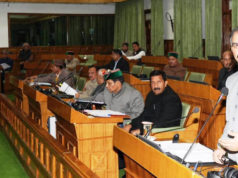
Responding to a question raised by Gagret MLA Rakesh Kalia, Chief Minister Sukhvinder Singh Sukhu said, “It is a matter of grave concern that Himachal has recorded the second highest cancer cases in the country after the Northeastern states. The government is consulting renowned specialists for setting up a state-of-the-art Cancer Institute at Hamirpur.”
The proposed institute will be built at a cost of ₹300 crore and is expected to provide advanced facilities like radiation therapy, chemotherapy, and specialised oncology care.
Pesticides and Fertilisers Under Scrutiny
Legislators pointed to the unregulated use of harmful chemicals as a key driver of cancer cases. Theog MLA Kuldeep Rathore warned that “lesser-known companies are selling extremely harmful pesticides. The government must take strict action against these companies and promote organic farming, similar to Sikkim.”
Experts say that the excessive use of pesticides and urea in apple orchards and vegetable farms is a major health hazard. Similar concerns have been raised in neighbouring states like Punjab, where the Malwa region has long been labelled the “cancer belt.” Himachal, with its dependence on chemical-intensive horticulture, is now showing similar trends.
Health Infrastructure Lagging Behind
Despite the rising cancer burden, Himachal lacks adequate diagnostic and treatment facilities. Most district hospitals do not have PET scan machines or specialised oncology units, forcing patients to travel to Chandigarh, PGI, or Delhi for advanced care.
Chief Minister Sukhu admitted the shortcomings, stating, “Equipment in most health institutions is outdated. A PET Scan facility will be installed at Tanda Medical College in Kangra by October, and similar facilities will be added at other medical colleges in phases.”
Cancer Burden Rising Across India; Preventive Measures Needed
The Indian Council of Medical Research (ICMR) estimates over 14 lakh new cancer cases annually in India, with Himachal contributing significantly despite its small population. Lifestyle changes, tobacco use, and environmental contamination are aggravating the situation, but experts stress that pesticide exposure remains a leading cause in hill states.
Public health specialists recommend early screening programs, awareness campaigns, and strict regulation of agrochemicals. They also emphasise the need for organic farming promotion, soil health improvement, and farmer training programs to reduce chemical dependency.
The government hopes that the Hamirpur Cancer Institute and upgraded facilities at medical colleges will improve treatment access.
But the truth is harsh: cancer care in Himachal is woefully inadequate. Most district hospitals lack oncology units and advanced diagnostic tools. PET scans, essential for accurate staging and treatment planning, are still missing in many government institutions. For a state that boasts of high literacy and social development, this failure is nothing short of shameful.
The government’s plan for a cancer institute and a few PET scan machines is too little, too late. Himachal needs a comprehensive cancer control policy that starts with prevention. This means strict regulation of pesticides, a crackdown on companies selling substandard chemicals, and an aggressive shift toward organic farming. Screening programs, early detection, and awareness campaigns should be rolled out in every district—not after another decade of debate.
Cancer is not waiting. The numbers are climbing, families are suffering, and promises are piling up. Himachal cannot afford complacency any longer. Action, not announcements, will decide whether this hill state can prevent itself from becoming another Malwa.