

World Bank-funded study aims to guide sustainable energy development in the state
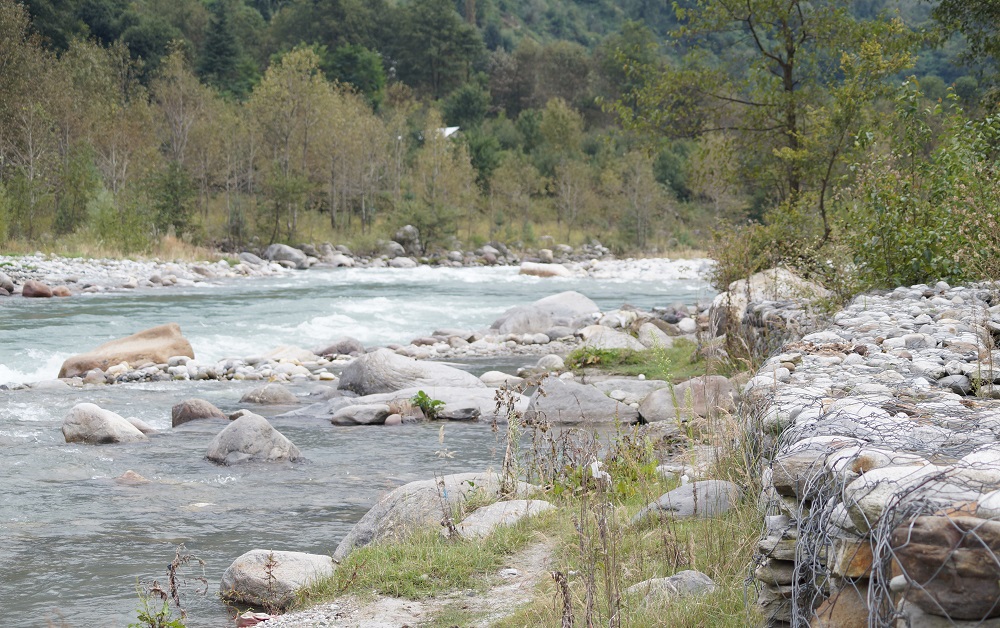
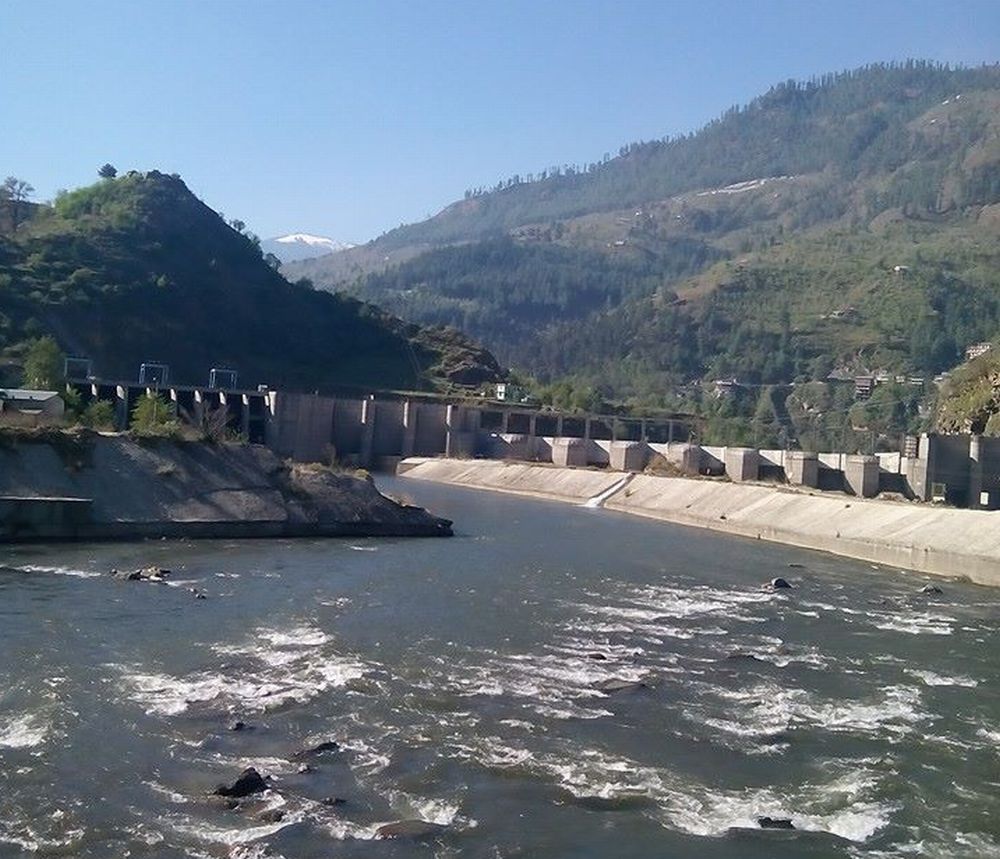
Shimla: The Himachal Pradesh government is taking a significant step toward making its power sector more efficient, transparent, and environmentally sensitive. Under the World Bank-funded Himachal Pradesh Power Sector Development Program, the state will conduct a detailed study to assess the environmental and social impacts of hydropower projects on the Beas River Basin.
The Directorate of Energy has been entrusted with this responsibility and has floated tenders to hire key consultancy services. The World Bank had sanctioned Rs 2,000 crore in 2023 for the state’s renewable energy integration, as part of a broader effort to reform the power sector and transition to sustainable energy sources.
A comprehensive cumulative impact assessment will be carried out for the Beas River basin to evaluate the long-term implications of both existing and proposed hydropower projects. The aim is to ensure the sustainable use of water resources, preserve local ecology, and provide scientifically-backed guidance for future hydropower development.
In addition to the impact study, a strategic advisory agency will be appointed to drive broader reforms in the energy sector. This agency will advise on tariff structure, integration of new and renewable energy sources, capacity building, and policy formulation.
To ensure smooth execution and oversight, a dedicated program monitoring consultant will also be engaged. This consultant will track the implementation of the program, monitor key delivery indicators, and ensure timely progress of activities.
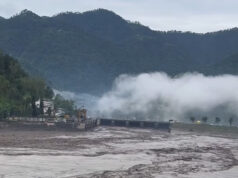
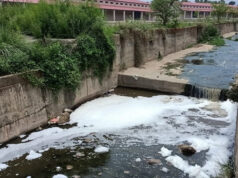
Himachal Pradesh currently generates over 12,000 MW of hydroelectricity, a significant share of which comes from river-based projects. However, concerns have been raised in recent years over the ecological damage, displacement of communities, and changes in river flow due to unregulated hydropower expansion.
The upcoming study on the Beas basin is expected to address these concerns by identifying risks and recommending mitigation measures, thus promoting a more balanced and responsible approach to energy development in the state.