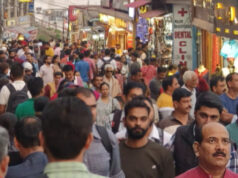

Shimla: Rapid urbanisation, expanding concrete structures and the steady loss of green cover are contributing to a rise in temperatures across several parts of Shimla, according to a study commissioned by the Shimla Municipal Corporation. The report has found that land surface temperatures (LST) in some areas of the hill city have increased by 1.7 to 2.5 degrees Celsius over the past decade, raising concerns about the growing impact of the urban heat island effect.
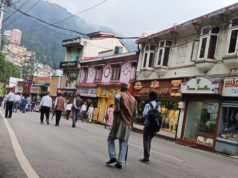
The study, conducted through GIZ and covering the period from 2012 to 2023, identified Shimla Bypass, Shoghi Bypass, Boileauganj, Chakkar, Junga Road, Sanjauli Housing Board Colony, Engine Ghar, Mashobra and areas around the city centre as hotspots where temperatures have risen significantly. These localities have witnessed large-scale residential and commercial construction in recent years.
Experts attribute the warming trend primarily to the replacement of natural vegetation with concrete buildings, roads and paved surfaces. As trees and open spaces disappear, the city’s ability to naturally regulate temperature is reduced.
The report also highlights the increasing presence of the urban heat island effect, a phenomenon in which built-up areas become warmer than surrounding regions. Concrete, asphalt and metal surfaces absorb and store more heat during the day and release it slowly at night. In contrast, trees and vegetation cool the environment through shade and evapotranspiration. As green areas shrink and construction expands, temperatures in urban pockets tend to rise, even in traditionally cool hill towns like Shimla.
According to the study, areas with dense construction and extensive metal roofing recorded comparatively higher temperature increases. Rapid development along major roads and in residential colonies has altered land-use patterns and contributed to localised warming.
Mashobra, known for its forests and pleasant climate, has recorded a temperature increase of 1.7 to 2.5 degrees Celsius due to the expansion of residential settlements. Similarly, apartment complexes and commercial structures developed between Kalibari Road and the Old Bus Stand have also influenced local temperature patterns. Construction activity around the Municipal Corporation office and adjoining areas has added to the warming trend.
The report warns that if green cover continues to decline and construction activity proceeds at the current pace, Shimla’s traditionally cool climate could face greater challenges in the coming years. Environmentalists have long raised concerns that unplanned urban growth in Himalayan towns can increase temperatures, strain water resources and affect overall ecological balance.
Municipal Corporation Additional Commissioner Dr. Bhuvan Sharma said the study has confirmed a rise in temperatures in several parts of the city. He said the Corporation is working on policies to address the issue and that further survey reports are awaited before finalising future measures.
To tackle the problem, the Municipal Corporation has proposed increasing tree cover, preserving open spaces and promoting environmentally friendly construction practices. Budgetary provisions have already been made for green initiatives, while stricter enforcement of building regulations is also being planned.
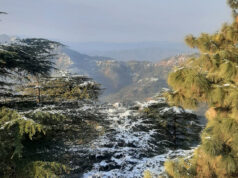
The findings have come on World Environment Day, serving as a reminder of the importance of protecting Shimla’s green cover. Experts believe that safeguarding forests, creating more urban green spaces and ensuring sustainable development will be essential to prevent further warming and preserve the city’s unique climate.