
Shimla: In a significant move to strengthen the rural economy and align technical education with the state’s core strengths, the Himachal Pradesh government has decided to introduce horticulture, natural farming, and dairy technology as regular subjects in technical institutions across the state.
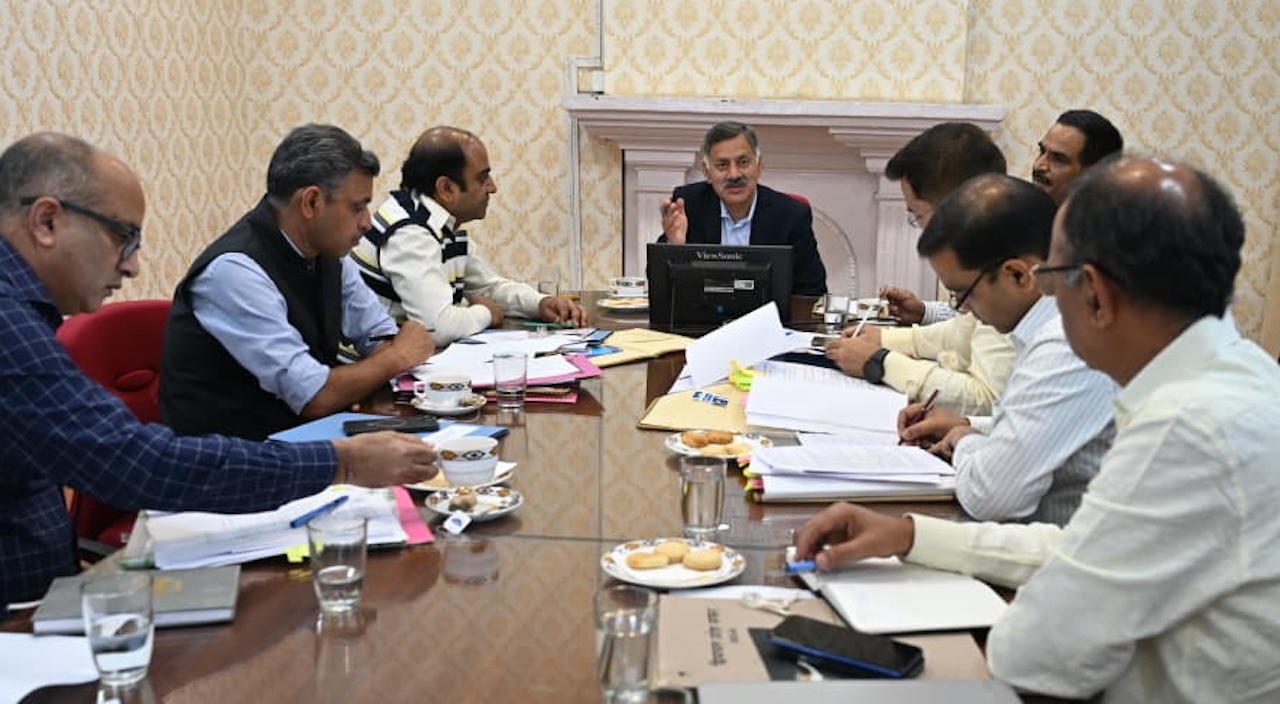
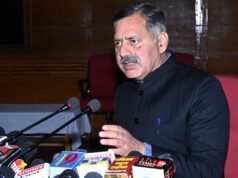
Technical Education Minister Rajesh Dharmani announced this initiative while chairing a review meeting of the Technical Education Department today. He emphasised that the growing demand for specialised experts in these sectors has prompted the government to bridge the gap between technical education and agriculture-based vocations.
“Keeping in view the increasing demand for subject experts in horticulture, natural farming, and dairy technology, these subjects are being incorporated into technical institutions,” Dharmani said.
The minister added that coordination is being established with Krishi Vigyan Kendras and agricultural colleges to provide students with better practical knowledge and field exposure. This integration aims to equip youth with both technical skills and domain-specific expertise relevant to Himachal’s economy.
Broader Skill Development Push
Dharmani stated that the state government is making multi-dimensional efforts to establish Himachal as a leading hub in technical education and skill development. The primary goal, he said, is to transform the state’s youth from job seekers into job creators.
To promote entrepreneurship, 120 experts from the Industries Department will provide specialised guidance and mentorship to trainees of technical institutions. Additionally, soft skills training through Artificial Intelligence and IT-based modules is being introduced.
The government is also working on building a strong ecosystem for startups and micro & small enterprises. Plans are underway to establish a Skill Academy and a Digital University in the state. The grading of technical institutions is also being carried out to improve quality standards.
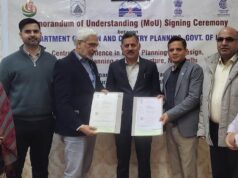
Dharmani further directed technical colleges to prepare regional-level action plans for environmentally sustainable urban development, especially for districts like Shimla, Kangra, and Kullu, keeping in mind the state’s unique geographical conditions.