Shimla: The Himachal Pradesh government has put on hold its decision to collect monthly user charges for rural drinking water supply through Gram Panchayats following criticism and backlash in sections of the media and among rural residents.
In a clarification issued on Friday, the Panchayat Raj Department said the government has decided to re-examine the issue. Director, Panchayat Raj Department, stated that earlier instructions regarding the collection of user charges have been kept in abeyance until further orders.
“Accordingly, the earlier instructions issued in this regard have been kept in abeyance until further orders. Therefore, no Gram Panchayat has been directed to impose or collect such user charges at present,” the department said in its statement, requesting the public and stakeholders to take note of the clarification.
The proposal to collect monthly charges had recently triggered debate in several rural areas. Under the earlier instructions circulated through Block Development Offices to panchayat secretaries, rural households were expected to pay a fixed monthly amount as user charges for drinking water supply. The proposed structure suggested ₹100 per month for Above Poverty Line households and ₹25 per month for Below Poverty Line families.
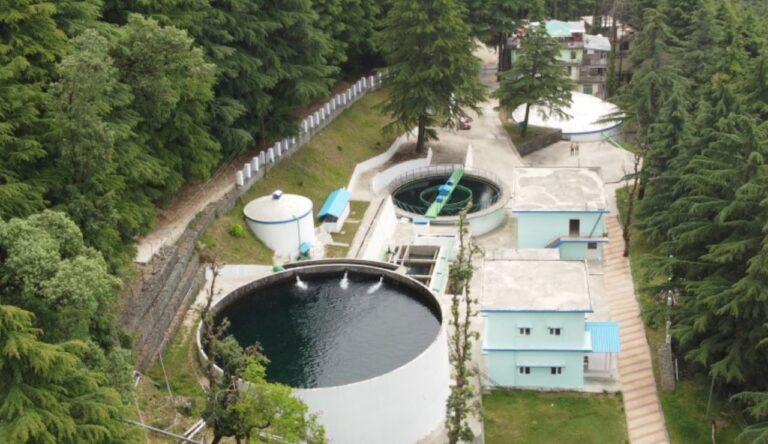
The charges were expected to be collected by Gram Panchayats once approved in Gram Sabha meetings, with the amount intended to support operation and maintenance of rural water supply schemes such as repairing pipelines, running pumping systems and maintaining water storage infrastructure.
Officials had earlier argued that the move was part of efforts to strengthen decentralised management of rural water schemes by involving local bodies. Across India, user charges for services such as water supply, sanitation and waste management are considered a key source of non-tax revenue for panchayats to sustain basic services and infrastructure at the village level.
The discussion also comes at a time when the state government is exploring new revenue sources amid financial pressure. Experts have pointed out that Himachal Pradesh faces a widening fiscal gap between revenue receipts and expenditure, pushing the government to consider additional user-based charges and policy measures.
Himachal Pradesh, with the support of the Union government, has significantly expanded rural drinking water infrastructure in recent years. The state achieved full household tap water coverage under the Jal Jeevan Mission, becoming the first hill state where every rural household received a tap connection. However, experts note that maintaining these systems requires consistent funding for electricity, pumping, repairs and water quality monitoring.