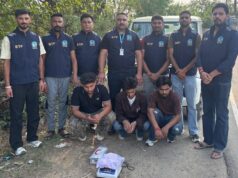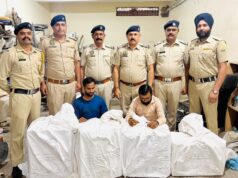


Shimla: A special 24-hour inter-state and inter-district naka drive conducted across Himachal Pradesh under the Anti-Chitta campaign led to the checking of more than 20,000 vehicles and the arrest of eight persons in drug-related cases.
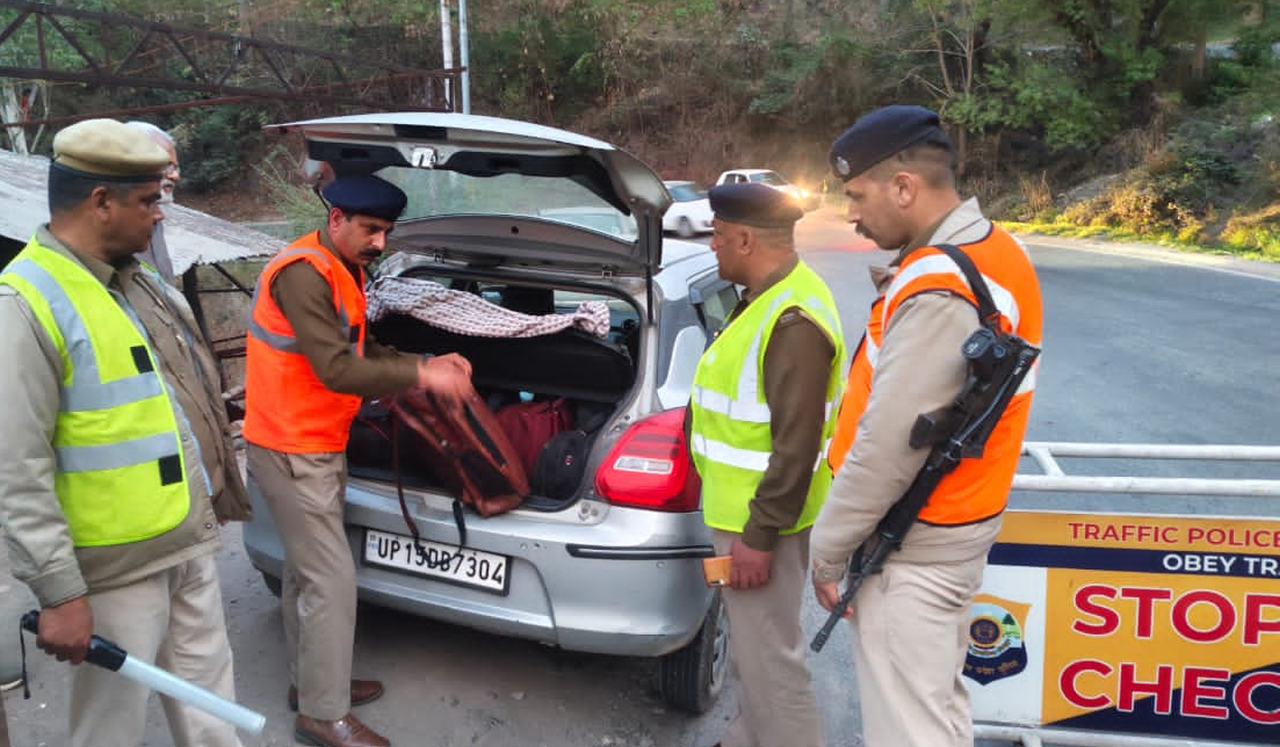
According to a spokesperson of the Himachal Pradesh Police, the operation was carried out on March 9 as part of the second phase of the Anti-Chitta campaign launched by Chief Minister Sukhvinder Singh Sukhu to intensify the crackdown on drug trafficking and move towards making the state a “Chitta-Free State”.
The coordinated drive was conducted based on intelligence inputs and inter-district coordination. During the operation, district police units, the Special Task Force Himachal Pradesh and police battalions jointly established nakas at 176 identified locations across the state.
Police teams checked a total of 20,230 vehicles during the drive. As a result of the intensive checking, five cases were registered under the Narcotic Drugs and Psychotropic Substances Act and eight accused persons were arrested. The police also recovered 1.221 kilograms of charas and seven grams of chitta (heroin).
Apart from action against narcotics offences, police also took strict action against traffic violations during the drive. A total of 866 challans were issued under the Motor Vehicles Act, while 12 challans were issued under the COTPA Act.
Officials said that to ensure scientific investigation in suspicious cases, blood and urine samples of 21 suspected individuals were collected as per legal procedures for further examination.
The spokesperson said the main objective of the campaign is to prevent youth from falling into the trap of drugs and to dismantle group-based drug activities developing in secluded areas that are attracting young people.
Police have appealed to citizens, especially the youth, to support the Anti-Chitta movement by sharing any information related to drug trafficking through the emergency helpline 112 or by informing the nearest police station. Authorities assured that the identity of informants would be kept strictly confidential.