Shimla – Growing uncertainty over a proposed zero-import duty on agricultural products under an India–US trade agreement has sparked concern across agrarian states, with questions being raised over the Centre’s silence and lack of transparency on a move that could directly affect millions of farmers.
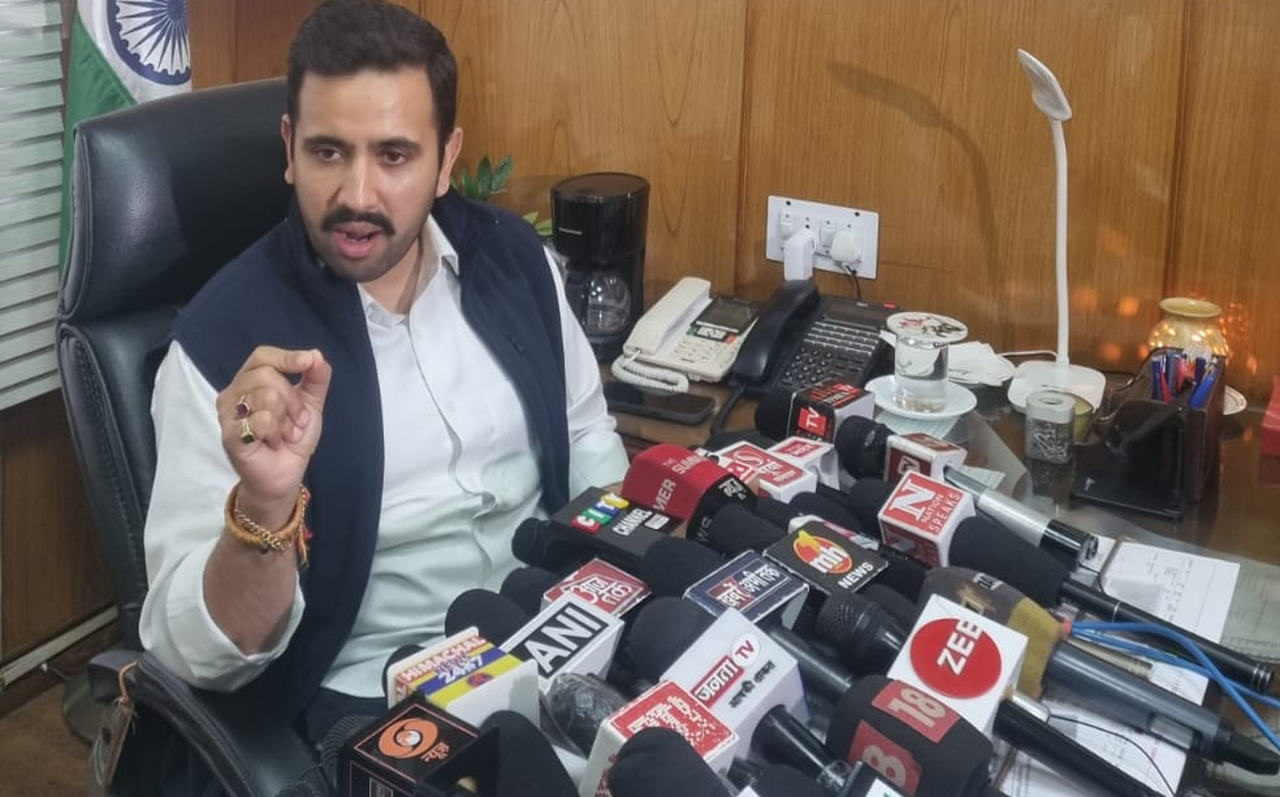
Public Works Minister Vikramaditya Singh said claims by US President Donald Trump that India has agreed to large-scale purchases of American agricultural goods and the removal of tariff and non-tariff barriers have placed India’s farm sector in a vulnerable position. He said the government has neither placed the draft of the agreement in the public domain nor clarified which agricultural commodities may be considered for zero-tariff treatment.
Singh warned that Indian agriculture, dominated by small and marginal farmers, cannot be expected to compete with the heavily subsidised and corporate-driven farming systems of developed countries. He said zero-duty imports of US grains, pulses, fruits, vegetables and dairy products would depress domestic prices, erode farmers’ incomes and worsen rural unemployment.
Raising concerns over sensitive sectors, the minister said areas such as dairy appear to be under pressure to open up without adequate safeguards. He also criticised the Centre’s silence, noting that while US authorities are publicly assuring benefits to their farmers, Indian farmers continue to struggle with rising input costs, climate-related losses and stagnating support prices.
Singh said the minimum requirement of democratic policymaking is that any international trade agreement of this magnitude must be debated in Parliament, involve consultation with Chief Ministers—particularly from agrarian states—and seek inputs from farmers’ unions, cooperatives and agricultural experts. He alleged that instead, decisions are being taken behind closed doors, announcements are being made on foreign platforms or social media, and farmers, horticulturists and rural youth are left to bear the consequences.
Calling the situation deeply troubling, Singh said such an approach undermines the federal spirit of the Constitution and reflects a failure to uphold the government’s constitutional duty to protect farmers’ livelihoods, safeguard food security and strengthen the agricultural sector.