
The Himachal Pradesh State Electricity Board Limited (HPSEBL) has earned around Rs 300 crore from power sale in the current financial year up to December 31, 2025, showing a sharp increase compared to Rs 206 crore recorded during the same period last year.
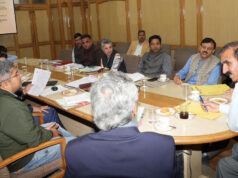
Chief Minister Sukhvinder Singh Sukhu said the rise in revenue reflects the impact of “Vyavastha Parivartan” and policy reforms introduced by the present state government in the power sector.
The Chief Minister said the government has implemented the Himachal Pradesh Electricity Grid Code to bring the state’s power system in line with national standards. This move has improved grid security, strengthened transmission systems and enhanced the reliability of power supply across Himachal Pradesh.
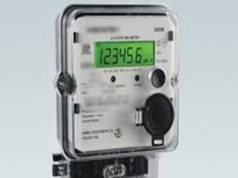
He said infrastructure upgrades are also contributing to better performance. Around 1.5 lakh smart meters are being installed in Shimla and Dharamshala, allowing consumers to track real-time electricity use through mobile applications. In addition, the introduction of SCADA systems in industrial areas such as Kala Amb has helped reduce distribution losses by four percent.
Highlighting the role of employees, Sukhu said field staff are crucial in maintaining an uninterrupted power supply, especially during disasters and emergencies.
The Chief Minister said special focus is being given to tribal regions, which face power challenges during severe winters. Projects worth Rs 62 crore are underway in Killar valley, including an 11 KV line from Tindi to Shaur and a 33 KV line from Thirot to Killar.
In remote areas of Kaza, 148 households have been provided with 1 kW solar off-grid plants in villages including Mud, Langza, Hikkim and Kaumik. He also said 400 kW decentralised solar projects with battery energy storage systems will be set up at Hillour and Dharwas in the Pangi tribal region of Chamba district.
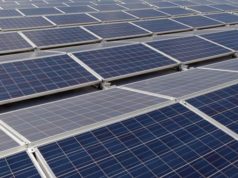
To promote renewable energy, Sukhu said the state government is offering interest subsidies for solar projects. In tribal areas, projects between 250 KW and 1 MW will get a five percent subsidy. In non-tribal areas, similar projects will receive a four percent subsidy, while projects above 1 MW will be eligible for a three percent subsidy.