
Regulated industrial hemp to boost farmers’ income, create green jobs and position Himachal as a bio-economy hub
Shimla – The Himachal Pradesh government has set an ambitious revenue target of up to Rs 2,000 crore annually through the regulated cultivation of industrial hemp.
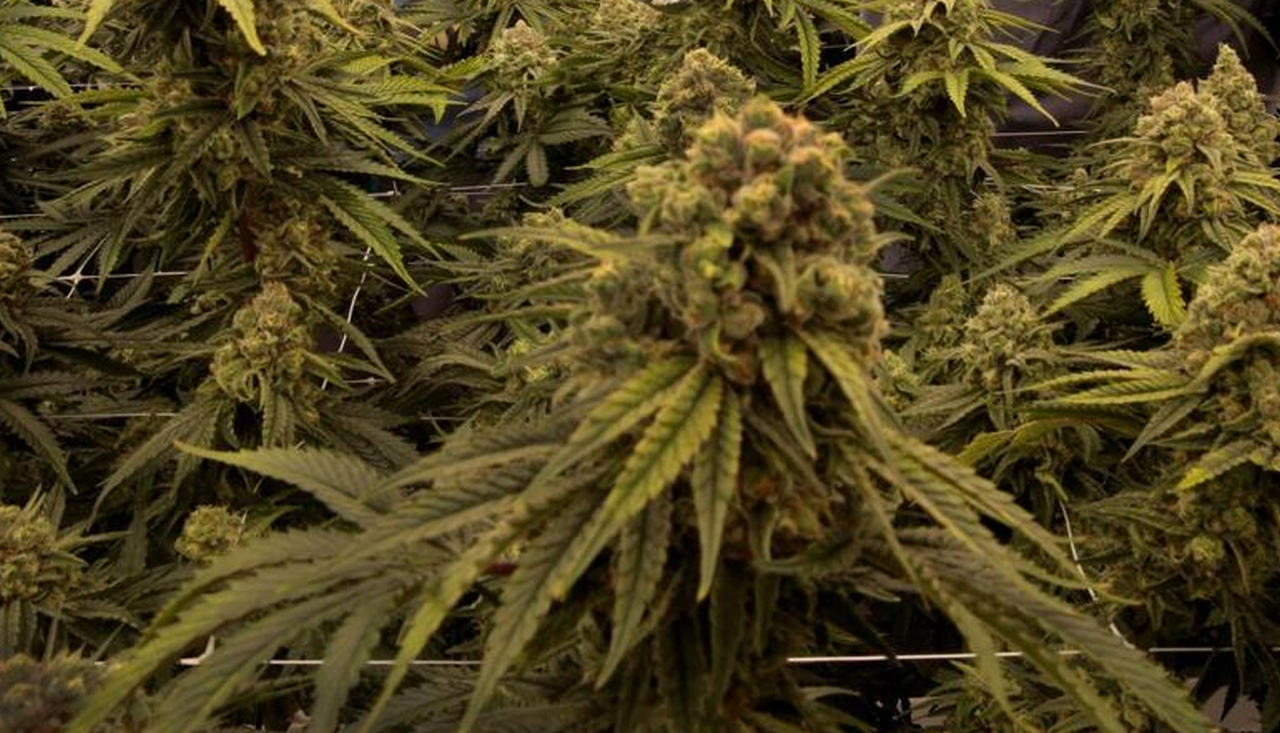
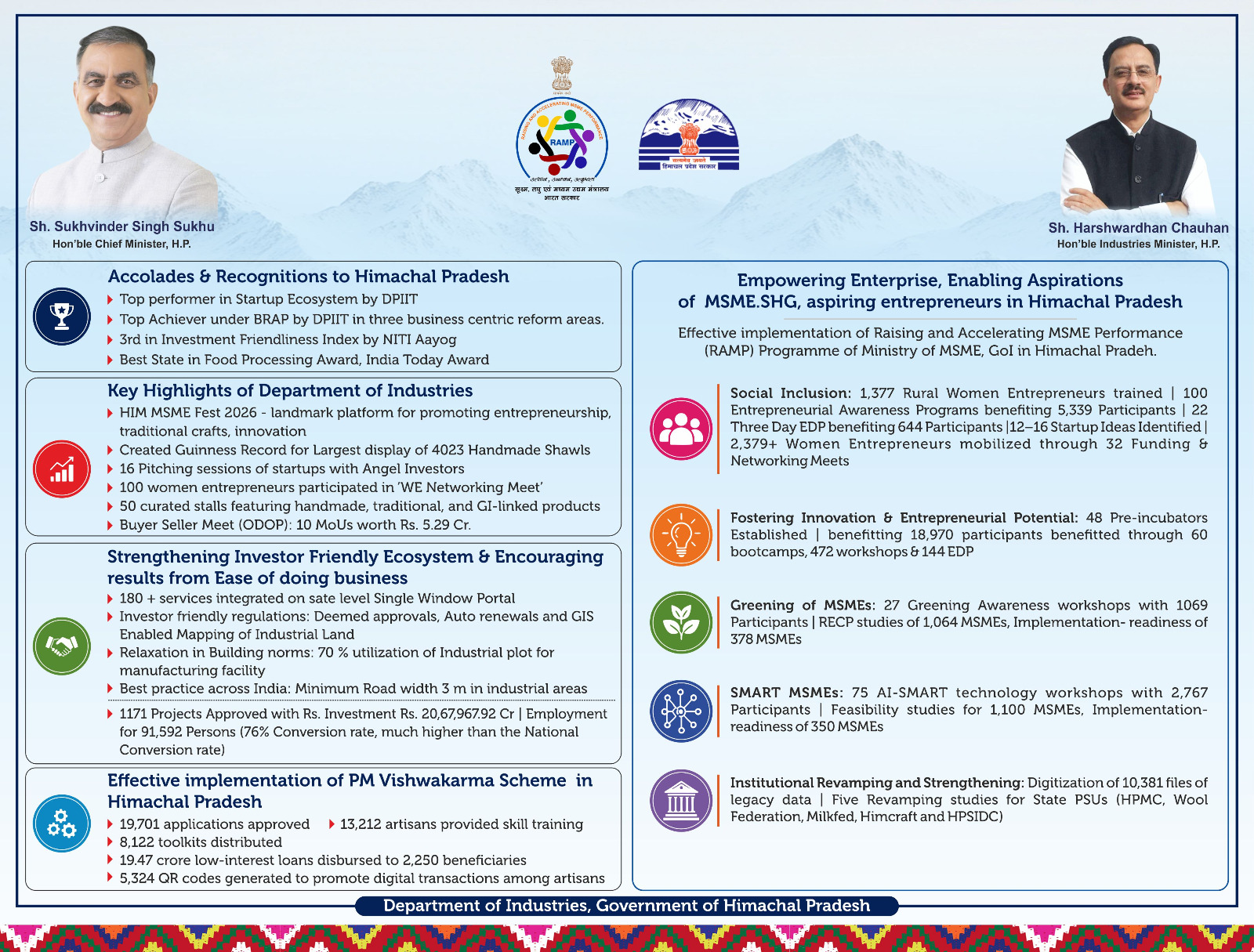
Chief Minister Sukhu said the move aims to transform cannabis, which has grown wild for decades in districts like Kullu, Mandi and Chamba, from a crop associated with illegal trade into a valuable industrial and medicinal resource. Under the new policy framework, hemp will be promoted for its medicinal uses, including pain management and anti-inflammatory properties, as well as for its applications in textiles, paper and packaging, cosmetics, biofuel and energy sectors.
He said the State Government has identified industrial hemp as a high-potential natural resource capable of generating eco-friendly and high-value products such as sustainable textiles, bio-plastics and construction materials. With proper regulation and public awareness, Sukhu said hemp can become a key driver of green industrial development, especially in hill and rural economies.
A key feature of the policy is the strict regulation of Tetra Hydro Cannabinol (THC) content. The Chief Minister said all industrial hemp cultivated in Himachal Pradesh will be required to maintain THC levels below 0.3 percent, ensuring the crop remains non-intoxicating and unsuitable for drug misuse while retaining its industrial and medicinal value.
Referring to the Cabinet decision taken on January 24, 2025, Sukhu said a pilot project for controlled cultivation is being planned. He noted that many farmers are withdrawing from traditional crops due to heavy losses caused by wildlife, particularly monkeys, which has made farming increasingly unviable. Industrial hemp, he said, offers an alternative crop with strong market demand and lower risk.
According to projections, once the policy is fully implemented, regulated hemp cultivation could generate additional annual revenue ranging from Rs 1,000 crore to over Rs 2,000 crore. The Chief Minister said the initiative would help the State capture markets currently dominated by illegal trade and imports, especially in the fast-growing pharmaceutical and wellness sectors.
The policy also focuses on sustainability. Sukhu said industrial hemp is a climate-resilient crop that requires nearly 50 percent less water than fibre crops like cotton and can grow in marginal soils. To support farmers, research institutions such as CSK Himachal Pradesh Krishi Vishvavidyalaya, Palampur, and Dr Y.S. Parmar University of Horticulture and Forestry, Nauni, are conducting pilot studies to develop high-yield, low-THC seed varieties suited to the Himalayan region.
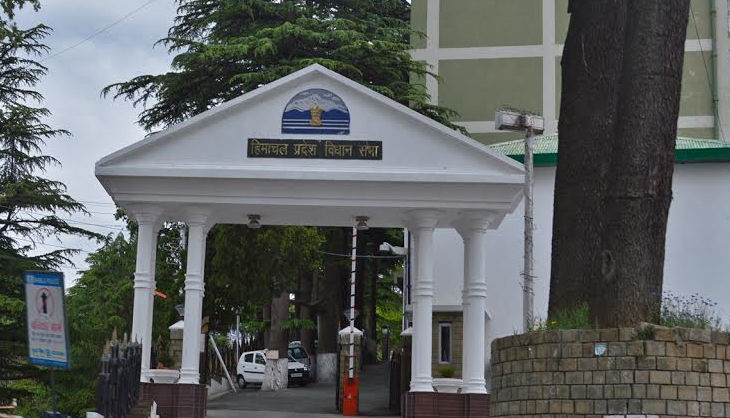
Revenue Minister Jagat Singh Negi, who chaired the state-level committee on regulated cannabis cultivation, along with MLAs, studied legal and regulatory models in Uttarakhand and Madhya Pradesh. The committee’s report, later tabled and accepted in the Himachal Pradesh Assembly, recommended controlled cultivation for industrial, scientific and medicinal purposes.
The Chief Minister said the government’s “Hemp Hub” vision aims to position Himachal Pradesh as a manufacturing centre for products such as hempcrete, a carbon-negative construction material, specialised textiles and Ayurvedic medicines. He added that the initiative is expected to create new opportunities for startups and youth employment while strengthening the State’s long-term economic prospects.