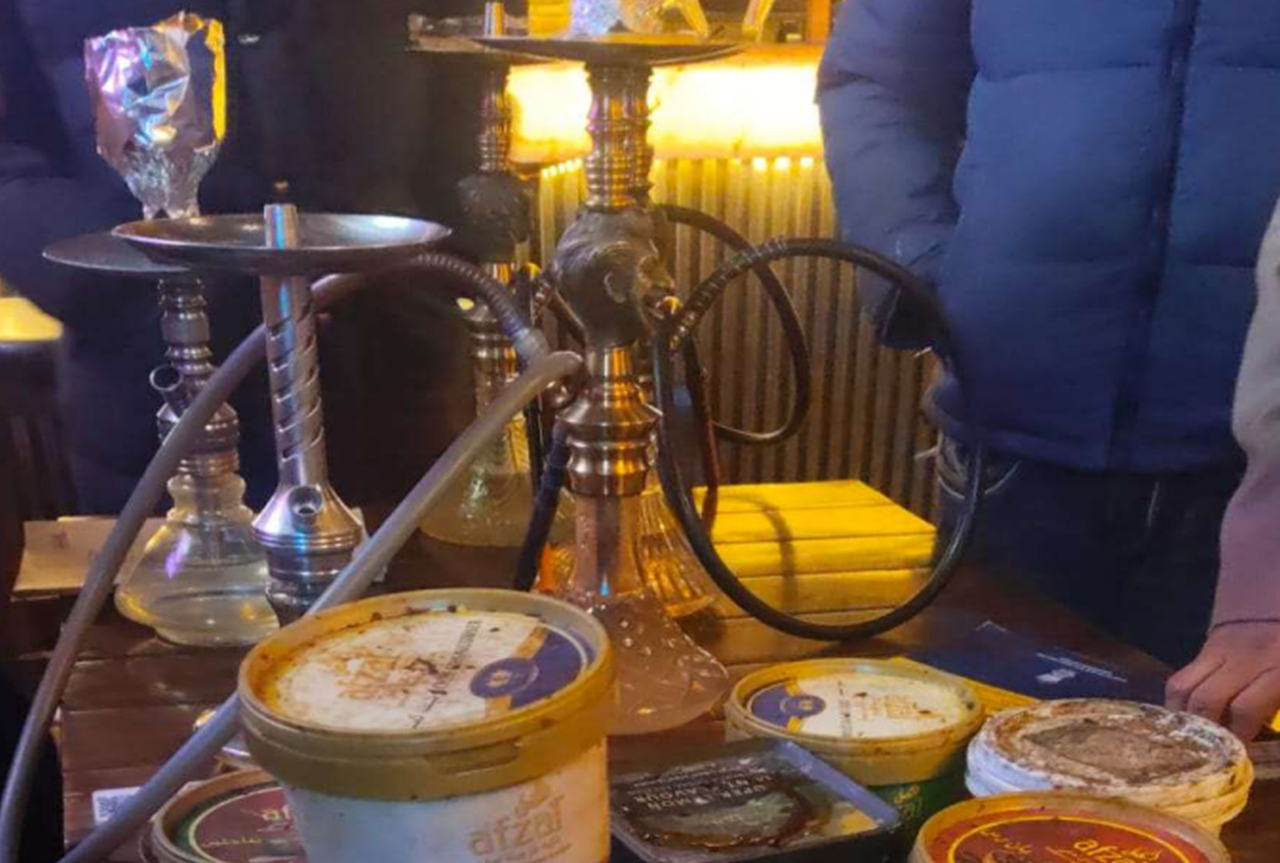
Shimla: Even as Himachal Pradesh intensifies its ‘Chitta-Free Himachal’ campaign against drug abuse, another emerging health concern is gaining ground across the state, with flavoured hookah smoking posing serious risks to public health, particularly among youngsters and tourists.
Unlicensed hookah bars are reportedly operating in major tourist destinations, including Shimla, Solan, Dharamshala and Manali, where hundreds of locals and visitors consume flavoured hookah products daily under the guise of recreation. Despite growing concerns over their health implications, these establishments continue to operate.
The Health Department has reportedly submitted a proposal to the state government seeking a ban on such establishments and their closure. However, no concrete action has been taken so far. The concern assumes significance as 11 states and Union Territories, including Punjab and Chandigarh, have reportedly imposed restrictions or bans on hookah bars.
Health experts warn that flavoured hookah smoke is far from harmless. It contains several toxic substances, including nicotine, carbon monoxide, tar, heavy metals and cancer-causing chemicals. Contrary to popular belief, the water used in hookahs does not effectively filter out these harmful substances.
The charcoal used to heat hookah tobacco is another major source of carbon monoxide, which can reduce the oxygen-carrying capacity of blood and cause serious health complications. Regular consumption can lead to nicotine addiction and increase the risk of cancers affecting the lungs, mouth and oesophagus. It is also associated with reduced lung function, cardiovascular diseases and reproductive health problems.
Another concern is the risk of infections arising from the shared use of hookah pipes and mouthpieces, particularly in establishments where hygiene standards may not be adequately maintained.
Health risks are not limited to conventional tobacco-based products. Hookah products marketed as ‘herbal’, ‘tobacco-free’ or ‘nicotine-free’ are also not necessarily safe. The smoke generated through burning charcoal and heating flavouring substances can contain carbon monoxide, fine particulate matter and potentially carcinogenic chemicals. Electric hookahs, too, cannot be considered harmless alternatives.
The volume of smoke inhaled through hookah smoking is another major concern. A single hookah puff can deliver approximately 500 to 900 millilitres of smoke, compared with around 50 to 100 millilitres from a cigarette puff. A typical hookah session lasts between 45 and 60 minutes, resulting in prolonged exposure to smoke and harmful substances.
The attractive flavours, sweet aroma and colourful packaging of these products often create a misleading impression that hookah smoking is a safer recreational activity than cigarette smoking. However, medical evidence indicates that hookah use exposes consumers to several dangerous chemicals and carries significant health risks.
With Himachal Pradesh already battling the challenge of drug abuse, the continued operation of hookah establishments has raised questions about the state’s preparedness to address emerging public health threats. The delay in acting on the Health Department’s proposal has also brought the government’s enforcement approach under scrutiny.
There is now a growing need for the state government to take a clear stand on the issue, strengthen enforcement against unauthorised hookah establishments and launch public awareness campaigns to discourage young people from taking up the habit.