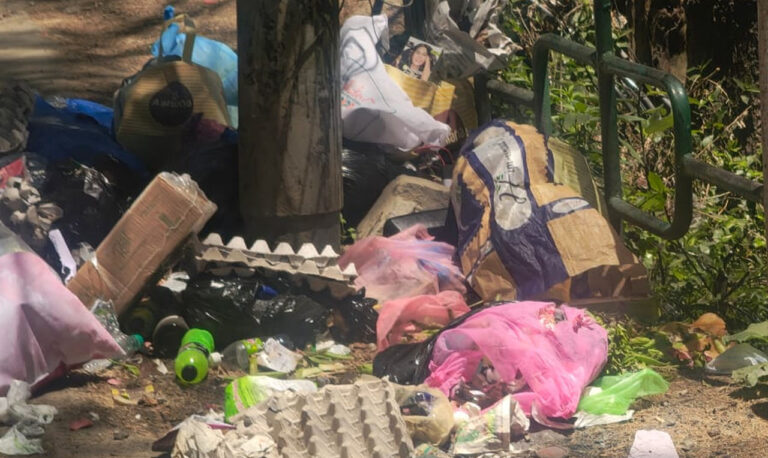

Shimla: Littering and dumping garbage in public spaces across Himachal Pradesh’s urban areas could soon attract financial penalties, with the state government proposing stricter rules to ensure accountability and improve sanitation in towns and cities.
The Urban Development Department has circulated the draft of the proposed Municipal Solid Waste Management Bye-laws to all Urban Local Bodies (ULBs) in the state, outlining provisions for action against individuals, shopkeepers, hotels, restaurants and other establishments found violating waste disposal norms.
Under the proposed framework, individuals caught littering in open spaces will initially be served two written warnings. If they continue to violate the rules, they will face financial penalties. The respective urban local bodies will decide the amount of fines for different violations through their general body meetings.
The draft also proposes the constitution and empowerment of Ward Sanitation Committees to strengthen monitoring at the local level. These committees will oversee sanitation activities, address public complaints and issue written warnings to those found violating cleanliness norms.
They will also monitor door-to-door garbage collection, the condition of community waste bins and the performance of sanitation workers. Any negligence or shortcomings will be brought to the notice of the concerned urban local body for necessary action.
The proposed bye-laws cover a range of violations, including creating unhygienic conditions in residential areas, shopkeepers dumping waste in the open, improper disposal of garbage by hotels and restaurants, and the dumping of construction and demolition waste in public spaces.
Violators could also face legal proceedings under the Environment (Protection) Act and relevant municipal laws. The draft further provides for fixing accountability of officials and sanitation staff found negligent in discharging their waste management responsibilities.
Urban Development Minister Vikramaditya Singh said the draft bye-laws had been formulated to strengthen sanitation arrangements in urban areas and ensure accountability at every level. The government’s objective is to develop cleaner cities through public participation and ensure that those violating waste management rules face action in accordance with the law.
Open garbage dumping continues despite door-to-door collection
Despite an established door-to-door garbage collection system, indiscriminate dumping of waste continues to remain a major challenge in several parts of Shimla. Open spaces, roadside stretches and forest areas are increasingly being used as dumping grounds, raising concerns over public health and environmental degradation.
The forests near Strawberry Hill and adjoining Aira Holme have reportedly turned into open dumping spots, with even local residents allegedly disposing of household garbage in the open instead of handing it over to sanitation workers.
The problem, however, is not confined to Aira Holme. Several localities across the city continue to face the menace of indiscriminate garbage disposal, undermining municipal efforts to maintain cleanliness.
The situation highlights the gap between the availability of waste collection services and public compliance with basic sanitation practices. While municipal authorities have put systems in place for door-to-door collection, irresponsible disposal by some residents continues to undermine these efforts.
The proposed bye-laws are expected to provide urban local bodies with a stronger mechanism to deal with such violations. However, their effectiveness will largely depend on strict implementation, regular monitoring and equal accountability of both citizens and municipal authorities.