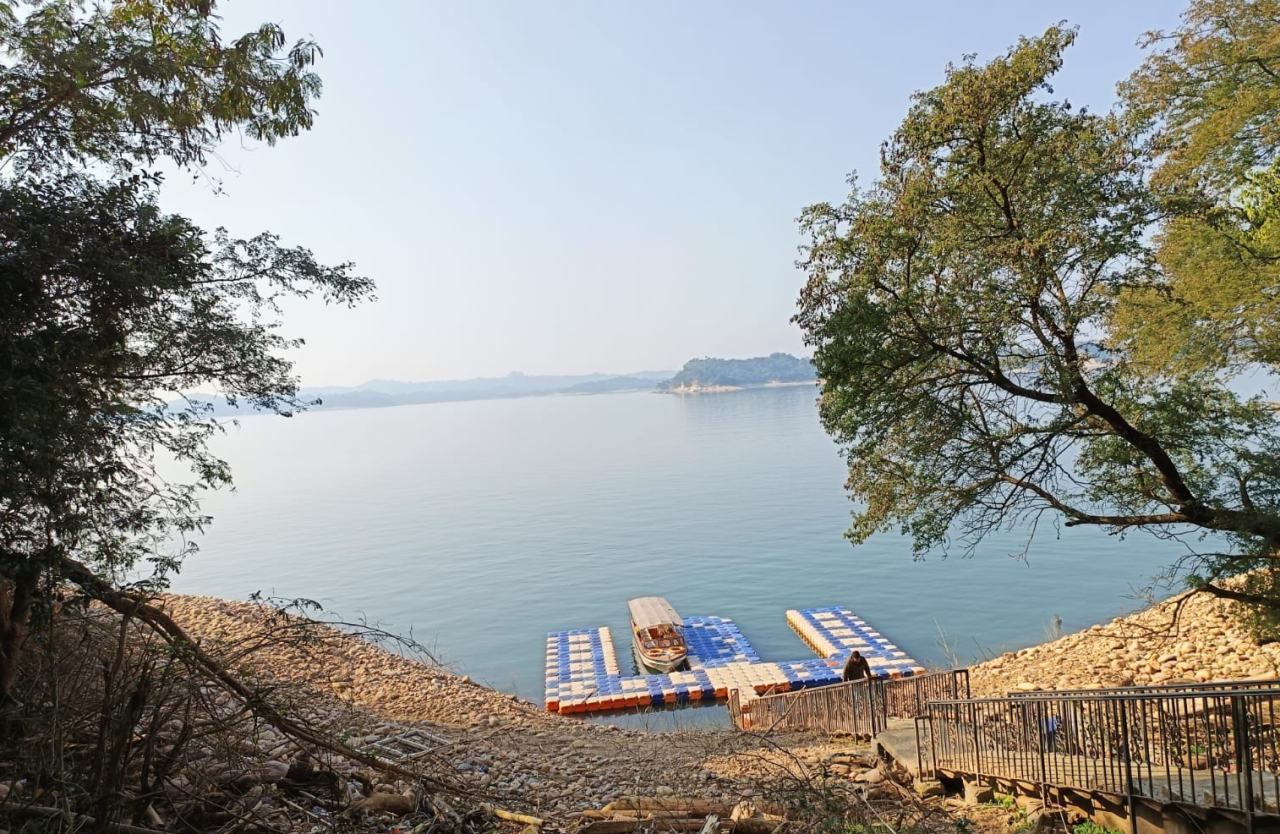
Shimla: Dam safety is a matter of concern in Himachal Pradesh, with the State Dam Safety Organisation (SDSO-HP) identifying structural deficiencies in three operational dams and classifying 12 dams as high-risk based on their potential hazard levels.
Chief Minister Sukhvinder Singh Sukhu tabled the SDSO-HP Annual Report for 2025-26 in the Himachal Pradesh Legislative Assembly on Thursday, bringing into focus the safety and maintenance challenges facing the state’s dam infrastructure.
According to the report, Himachal Pradesh has 31 designated dams, of which 26 are operational. Seventeen of these dams fall under the jurisdiction of the State Dam Safety Organisation. During 2025-26, pre-monsoon and post-monsoon inspections were carried out at all 15 operational dams covered in the report.
The inspections found structural deficiencies in three dams, which were placed in Category-2. Another 11 dams were classified under Category-3, while none of the inspected dams were placed in the highly sensitive Category-1 based on their structural condition.
However, the hazard classification presents a different picture. As many as 12 dams have been categorised as Class-1 based on potential hazard levels, placing them in the high-risk category and highlighting the need for continuous monitoring and preparedness.
The report has also pointed to specific safety and maintenance concerns at major projects.
At the Giri Jataun Barrage, inspectors observed uneven settlement at the pier expansion joint, cracks in concrete and non-functional monitoring equipment. The implementation of an early warning system at the project is also still pending, raising concerns over the effectiveness of the existing safety mechanism during extreme weather events.
The Malana-2 project has also faced significant delays in critical safety-related works, including construction of an additional un-gated spillway and replacement of hydraulic hoists for radial gates.
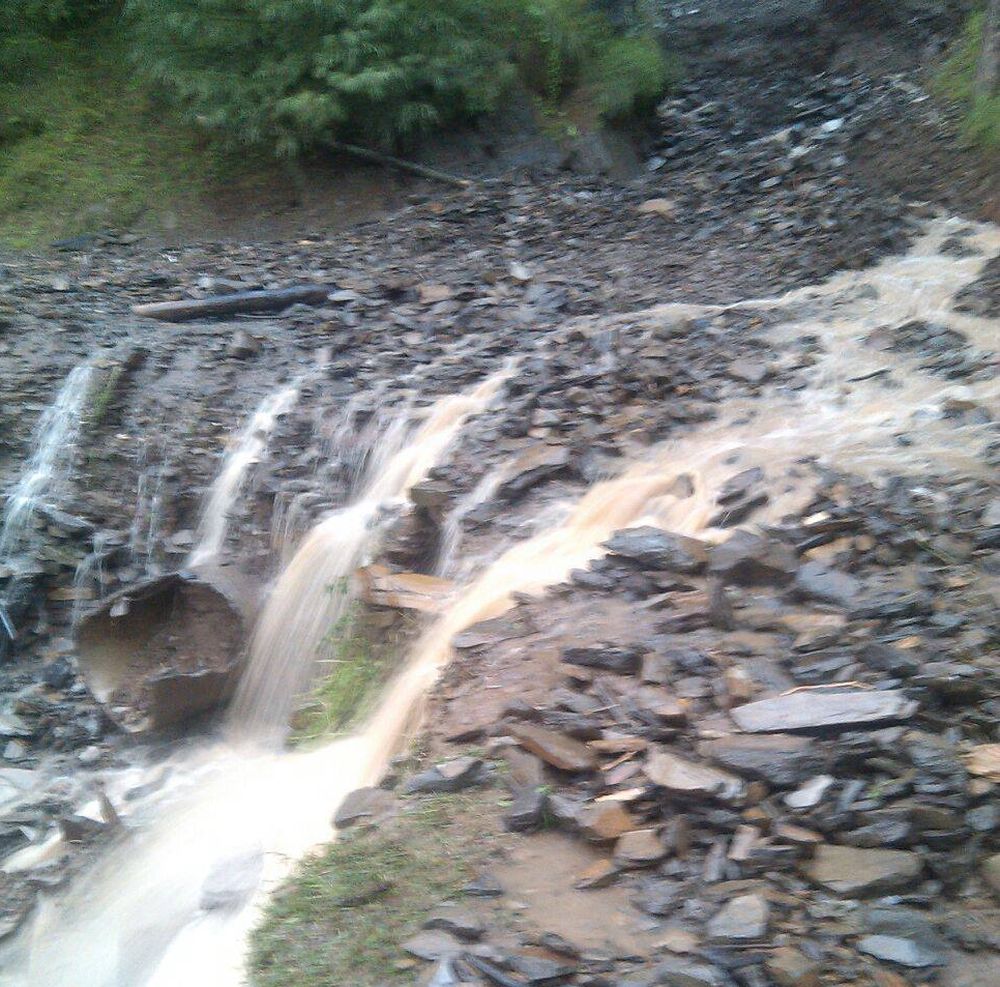
The seriousness of the issue was underlined by a cloudburst-triggered flash flood at Malana-2 on August 1, 2025. The disaster caused estimated financial losses of between ₹200 crore and ₹400 crore. However, the report noted that the emergency action plan helped prevent loss of life.
During 2025-26, approximately ₹141.12 crore was spent on dam repair, maintenance and safety measures across the state. The Sainj Hydroelectric Power Project accounted for the largest share, with ₹123.60 crore spent on such works.
The financial requirements for maintaining critical projects are expected to remain substantial. For 2026-27, an estimated ₹150 crore has been earmarked for maintenance-related works at Malana-2, while ₹137.56 crore has been estimated for Sainj.
The report has also highlighted a manpower shortage within the organisation responsible for overseeing dam safety. Nine posts at the levels of Deputy Chief Engineer, Executive Engineer and Junior Engineer are currently vacant. The absence of regular appointments has raised questions over whether the organisation has adequate technical manpower to carry out inspections, monitor compliance and ensure timely corrective measures.
With Himachal Pradesh vulnerable to cloudbursts, flash floods, landslides and other extreme weather events, the findings underline the importance of strengthening dam surveillance, ensuring timely completion of safety works and filling technical vacancies in the State Dam Safety Organisation.