

As Himachal Pradesh accelerates its push to harness hydropower potential, Kinnaur district is emerging as a growing concern, with experts warning that the fragile Himalayan terrain is being pushed beyond its limits. The rapid expansion of projects along the Sutlej River has triggered fresh debate on whether development is outpacing environmental safeguards in one of the most sensitive mountain regions.
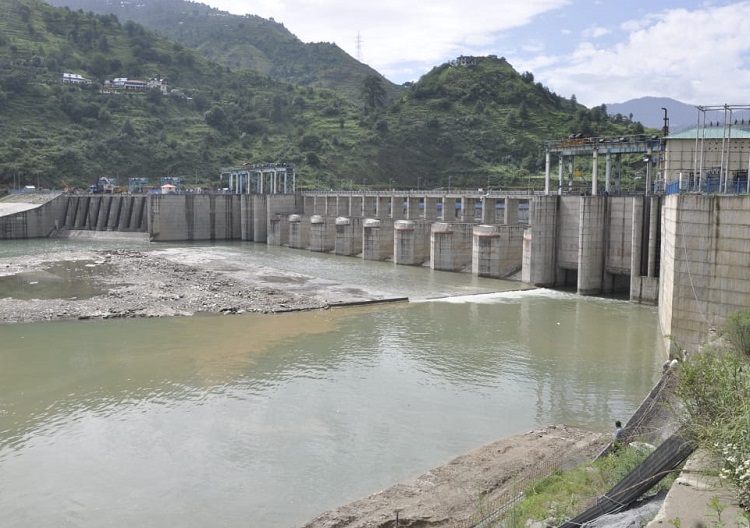
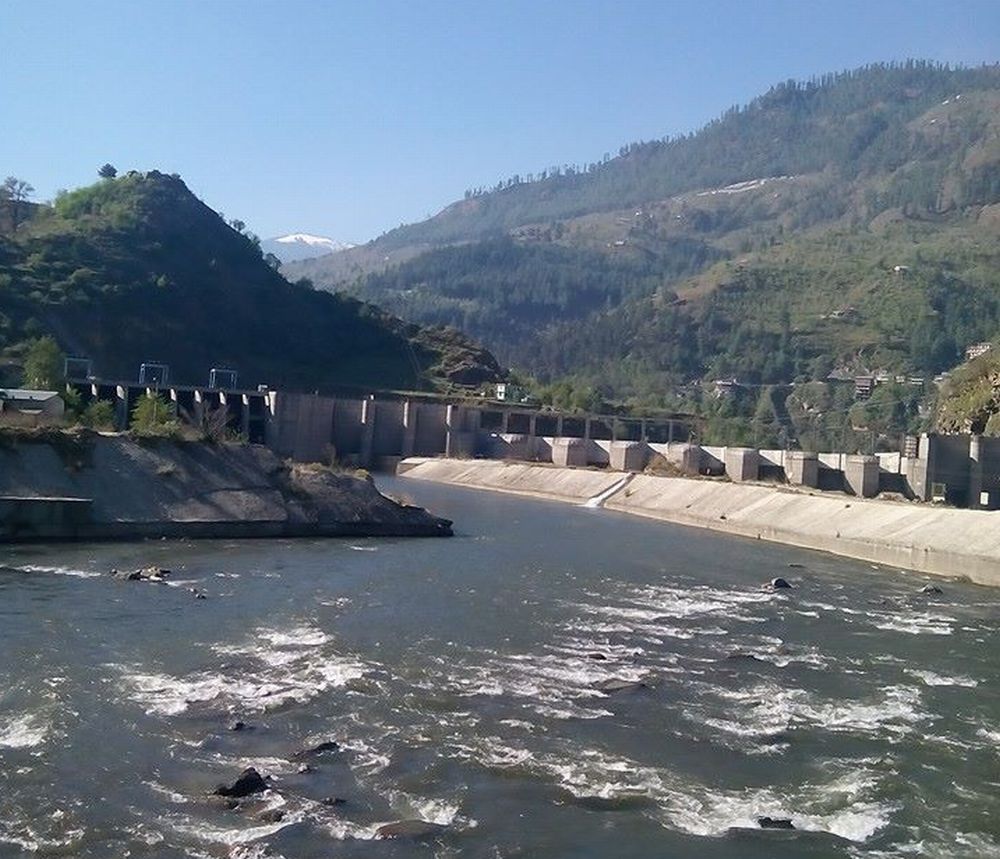
Kinnaur, which largely falls under Seismic Zone V, is inherently prone to geological instability. However, the scale and intensity of hydropower construction—particularly tunnelling and blasting—have raised serious questions about their cumulative impact. Major projects such as the Nathpa Jhakri Hydropower Station and the Karcham Wangtoo Hydroelectric Project have significantly altered the natural structure of mountains, with experts linking such interventions to increasing incidents of landslides and slope failures.
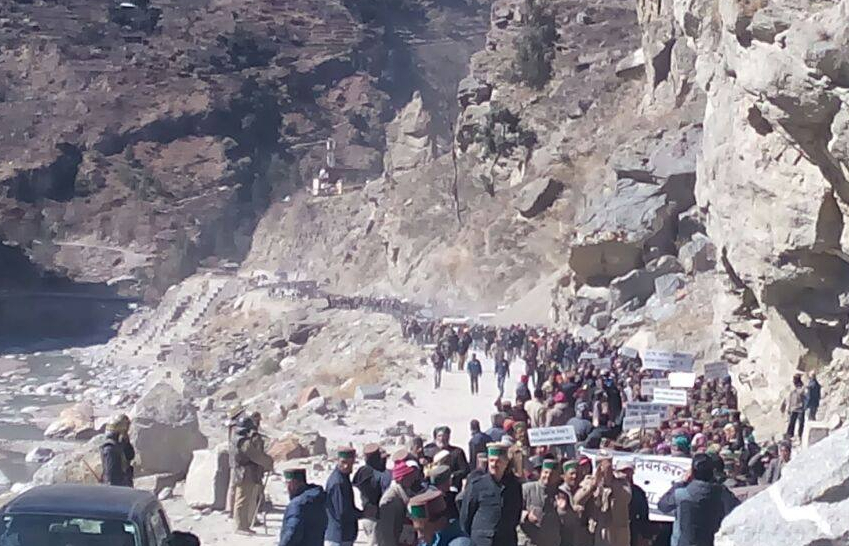
Reports from the region indicate that several villages located near hydropower sites have experienced cracks in houses, sinking land, and frequent falling debris. Residents have repeatedly raised concerns over the impact of continuous blasting, claiming that the stability of both residential areas and agricultural land has been compromised. These ground-level observations align with findings from multiple environmental assessments, which caution against ignoring the cumulative stress on Himalayan geology.
Another emerging issue is the disruption of natural water systems. In many stretches, the Sutlej is diverted through underground tunnels for power generation, reducing surface flow and affecting groundwater recharge. Traditional water sources, including springs and irrigation channels, have shown signs of depletion. This has begun to affect drinking water availability and agriculture, which remains a key source of livelihood in Kinnaur.
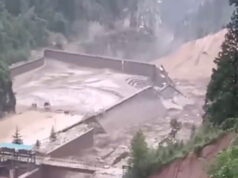
The long-term risk is further compounded by the region’s history of natural disasters. The Parachu Flood 2005 continues to be cited as a reminder of the basin’s vulnerability. Experts warn that extensive hydropower infrastructure, combined with changing climate patterns, could amplify the impact of such events in the future.
Environmentalists argue that while hydropower is often promoted as a clean energy source, its implementation in ecologically fragile zones like Kinnaur requires a more cautious and scientifically informed approach. They point out that environmental clearances are typically granted on a project-by-project basis, without fully accounting for the combined impact of multiple projects within the same river basin.
The demand to declare Kinnaur an Eco-Sensitive Zone has gained momentum in this context. Such a designation would impose stricter controls on large-scale construction and prioritise conservation efforts. Experts have also called for a temporary halt on new hydropower projects in the Sutlej basin, allowing time for comprehensive studies on environmental impact and carrying capacity.
At the same time, the state’s economic dependence on hydropower presents a complex challenge. With a significant share of Himachal Pradesh’s power generation linked to the Sutlej basin, any slowdown in project development has financial implications. However, experts caution that ignoring environmental risks could lead to far greater economic losses in the long run, particularly if disasters and land degradation intensify.
The situation in Kinnaur reflects a broader dilemma facing Himalayan states—how to balance the need for development with the imperative to protect fragile ecosystems. As the hydropower race continues, the district stands at a critical juncture, where policy decisions taken today could determine the region’s environmental and social future for decades to come.