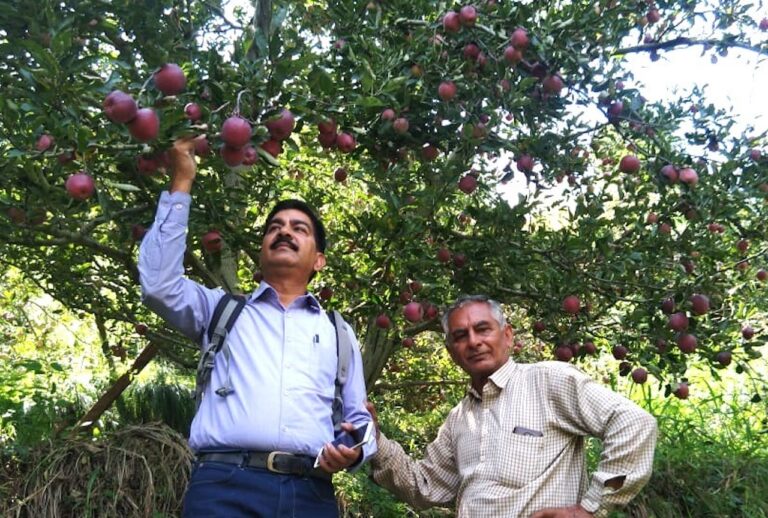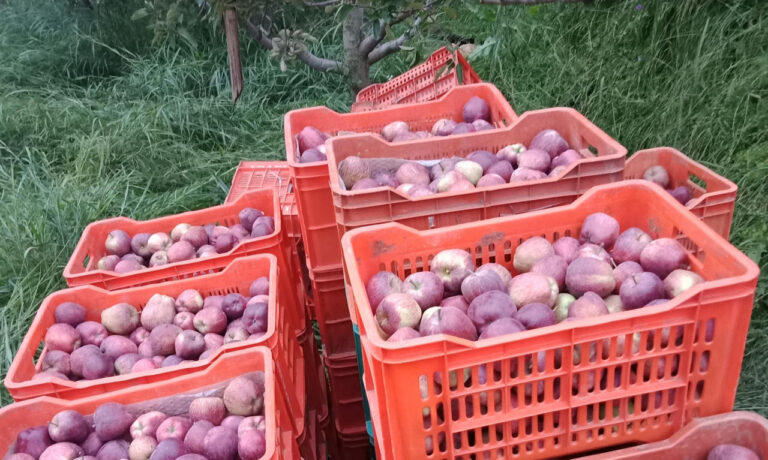
Shimla: Apple growers in Himachal Pradesh are facing heavy losses this season as improper spraying practices during critical crop stages have led to widespread phytotoxicity, damaging orchards across several areas.
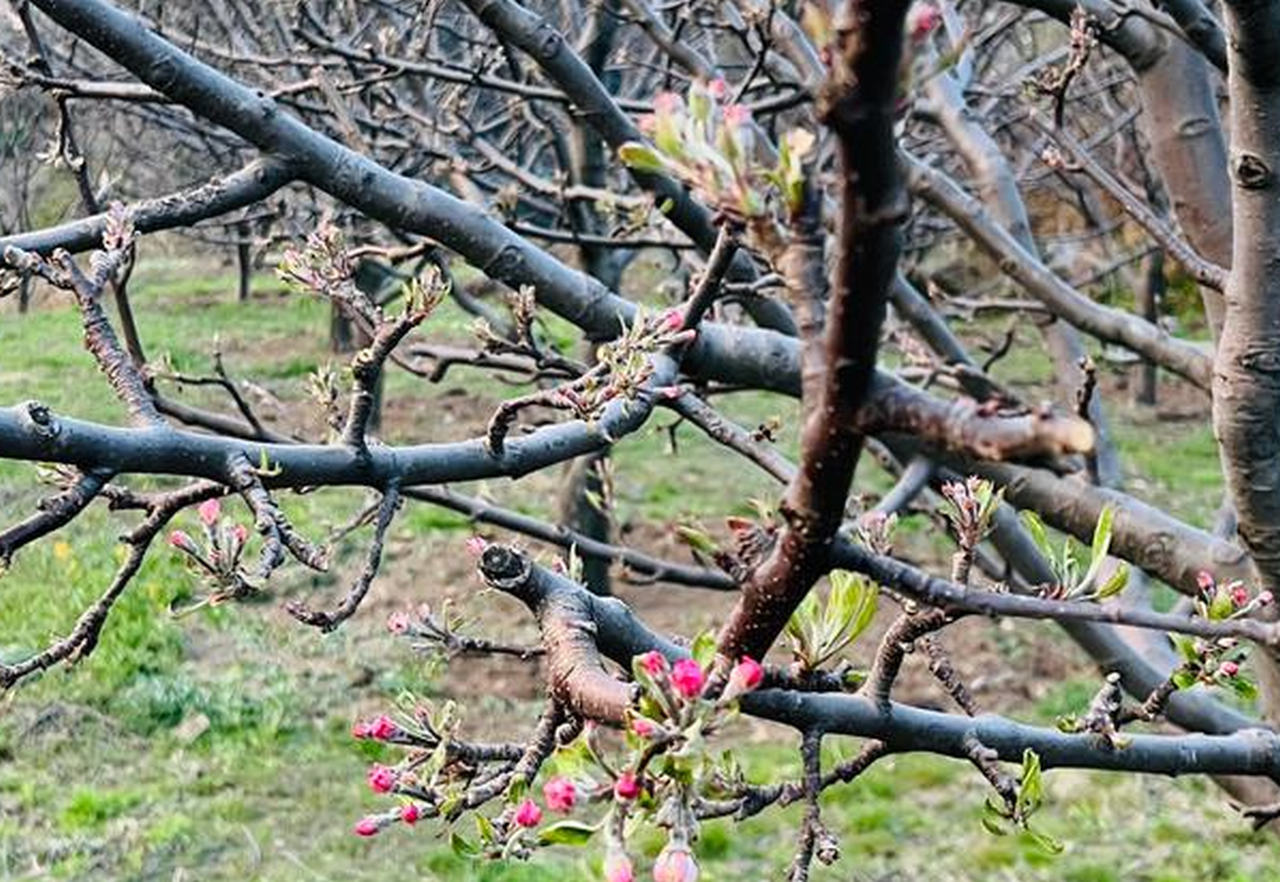
Farm Scientists issued a warning after receiving multiple reports from apple growers about leaf scorching, premature flower drop and poor fruit set. The problem has been linked to the mixing of multiple agro-chemicals in a single spray during the pink bud, flowering and fruit set stages.
Experts say many growers are combining three to five products—including nutrients, growth regulators, insecticides and fungicides—in one spray tank, which is proving harmful to the crop instead of beneficial. The practice is increasing chemical toxicity in plants and directly affecting yield.
Farm scientists have advised growers to strictly limit mixing to a maximum of two chemicals at a time. It has been cautioned that combining nutrients, growth regulators and fungicides together is a serious error that can damage plant tissues.
The advisory also highlights the risks of spraying during the flowering stage. Officials have urged farmers not to use insecticides or fungicides during full bloom, as it harms pollinators like bees and disrupts the pollination process, which is essential for fruit development.
To prevent further damage, growers have been asked to conduct a “jar test” before spraying. This involves mixing small quantities of intended chemicals in water to check compatibility. If the solution turns thick, oily or changes colour, it should not be used.
Timing of spraying has also emerged as a key factor. Farmers have been advised to spray only during early morning or late evening hours, as spraying under strong sunlight increases the risk of phytotoxicity. The centre has also warned against spraying during strong winds or rainfall.
Scientists have further cautioned that exceeding recommended dosages can worsen the damage. It has advised growers not to follow spray patterns blindly based on neighbouring orchards, stressing that each orchard requires specific management practices.