

Shimla: Moving away from conventional road construction practices, the Himachal Pradesh Government has approved a new Road Drainage Policy that mandates hydrology-based design to reduce recurring monsoon damage and strengthen long-term infrastructure resilience.
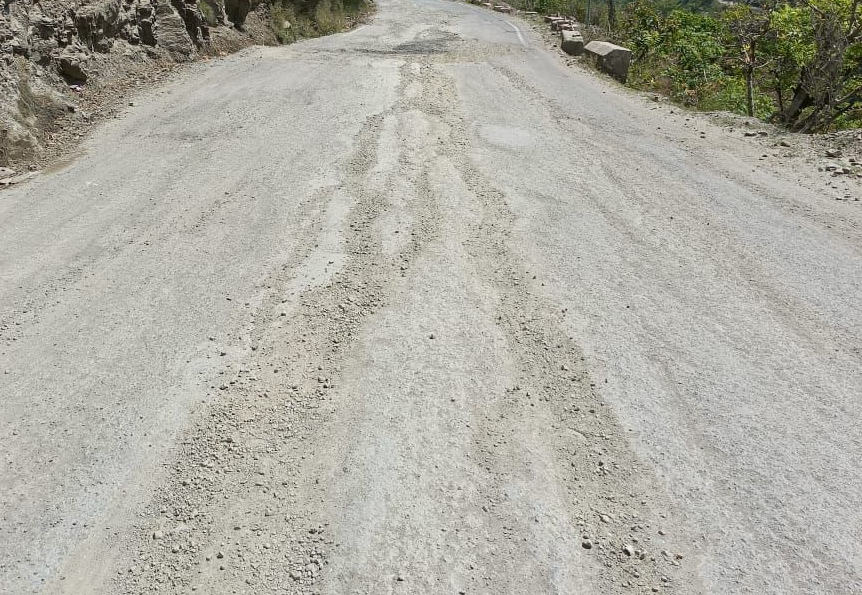
The policy comes after repeated post-monsoon assessments highlighted poor drainage as the main reason behind road deterioration across the state.
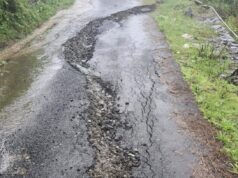
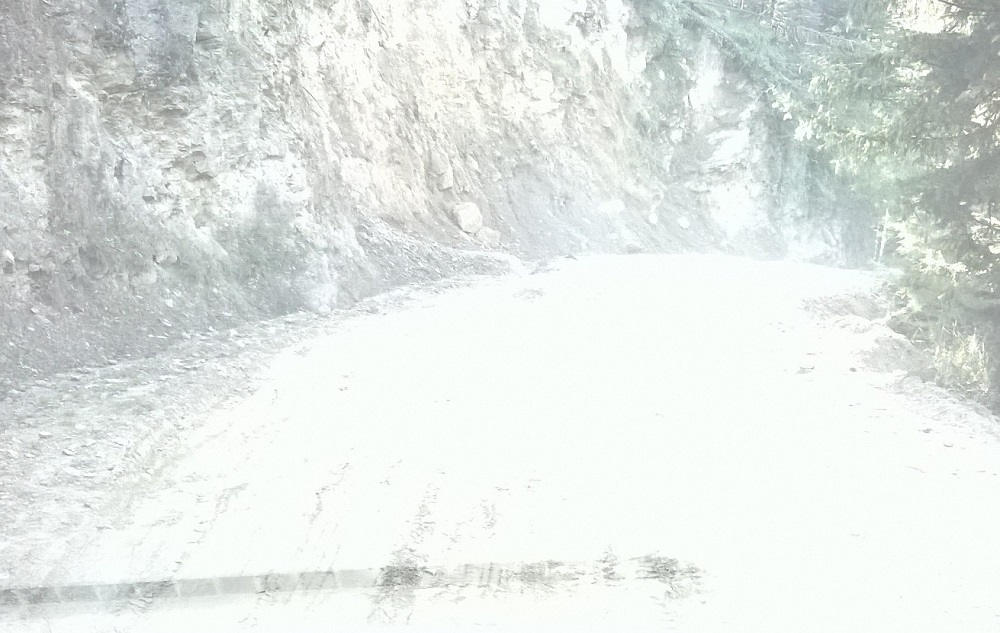
Himachal Pradesh maintains more than 40,000 kilometres of road network, including Major District Roads (MDRs), Other District Roads (ODRs), rural link roads and village roads under the Public Works Department (PWD). Officials said that field inspections have consistently shown that inadequate and non-scientific drainage systems, coupled with slope instability, are responsible for frequent road collapses, surface damage and washouts during heavy rainfall.
The financial burden has been significant. The state suffered losses of nearly ₹2,400 crore in 2023 and around ₹3,000 crore in 2025 due to extensive monsoon-related road damage. Apart from disaster-driven destruction, substantial funds are spent every year on routine repairs of damaged stretches.
Traditionally, drainage structures along PWD roads were designed based on conventional patterns and field constraints rather than scientific calculations of rainfall intensity and catchment characteristics. The new policy introduces a major shift by making hydrology-based design mandatory. Drainage structures will now be planned using actual rainfall data and terrain analysis, ensuring that water flow is scientifically managed instead of diverted through ad hoc measures.
Officials said box culverts will be adopted as the default drainage structure for new road projects because they are less prone to choking and allow mechanical cleaning. The policy also focuses on hillside protection, making preventive measures compulsory in landslide-prone and seepage zones to reduce slope instability.
In habitation areas, drains will be covered with standardised designs that include anti-theft provisions. On open stretches, raised kerbs with periodic inlet openings will be constructed to ensure safe traffic edges while maintaining water flow. Reflectors will be installed at regular intervals to improve night-time visibility and road safety.
The implementation will be carried out in phases, with priority given to Major District Roads to ensure reliable all-weather connectivity, especially in economically important and remote regions.
The policy also provides for strict enforcement under the HP Road Infrastructure Protection Act. Unauthorised discharge of domestic wastewater, sewage, roof water or solid waste into road drains will invite action. Obstructions caused by vehicle parking, construction material or encroachments within drainage channels will also be treated as violations.
Calling the move part of the government’s broader “Vyavastha Parivartan” initiative, the Chief Minister said strengthening drainage systems is essential to protect public resources and reduce repeated repair costs. He said the policy reflects a long-term structural approach aimed at improving durability, public safety and uninterrupted connectivity across the hill state.
With hydrology-based planning replacing old conventional methods, the government expects a significant reduction in monsoon-related road damage and a more resilient road network in the coming years.