

The Himachal Pradesh government on Tuesday introduced the Himachal Pradesh Land Tenure and Land Reforms (Amendment) Bill, 2025 in the state Assembly, proposing key changes to Section 118 of the 1972 Act. Revenue Minister Jagat Singh Negi tabled the bill during the winter session, stating that the amendments aim to bring clarity to existing provisions and make land-related processes simpler while safeguarding the interests of local farmers.
One of the major reforms proposed is that leasing a building or part of a building in rural areas for commercial use for up to ten years will no longer require Section 118 permission. Officials said this move is designed to encourage small businesses, startups, village shops and rural tourism by easing restrictions for non-agricultural individuals interested in renting commercial spaces in villages.
The bill also clarifies that land acquired by the state or central government, government companies and statutory bodies under the Land Acquisition Act, 2013, will be exempt from Section 118 restrictions. The government said this clarity was necessary because the earlier provision lacked a precise interpretation.
A significant amendment pertains to cooperative societies. Societies comprising only farmer members will now be allowed to purchase land, but they must ensure that only farmers continue to be part of the membership. They will be required to submit an annual declaration confirming this. If a society includes even one non-farmer as a member, the land purchased by it will automatically vest in the government without compensation. According to the government, nearly two million people are associated with the cooperative movement in the state, and the amendment will further strengthen agriculture-based economic activities.
The reforms also extend Section 118 exemptions for properties purchased under HIMUDA and TCP schemes. Earlier, only the first buyer of such properties was exempt. The proposed bill extends this exemption to all subsequent buyers as well, with stamp duty remaining the same as for non-agricultural individuals holding Section 118 permission.
Another important change is the exemption for non-agricultural individuals purchasing a flat or building up to 500 square metres in a RERA-registered project for bona fide residential use. These buyers will not require Section 118 permission, and the exemption will continue for future buyers of the same property.
The existing rule requiring land purchased under Section 118 permission to be used within three years remains, but the bill introduces new flexibility. The government may grant an additional two-year extension, followed by further one-year extensions up to a total of five years, with penalties based on the value of the land. If the land remains unused beyond the permitted time or its purpose is changed without approval, it will automatically revert to the government.
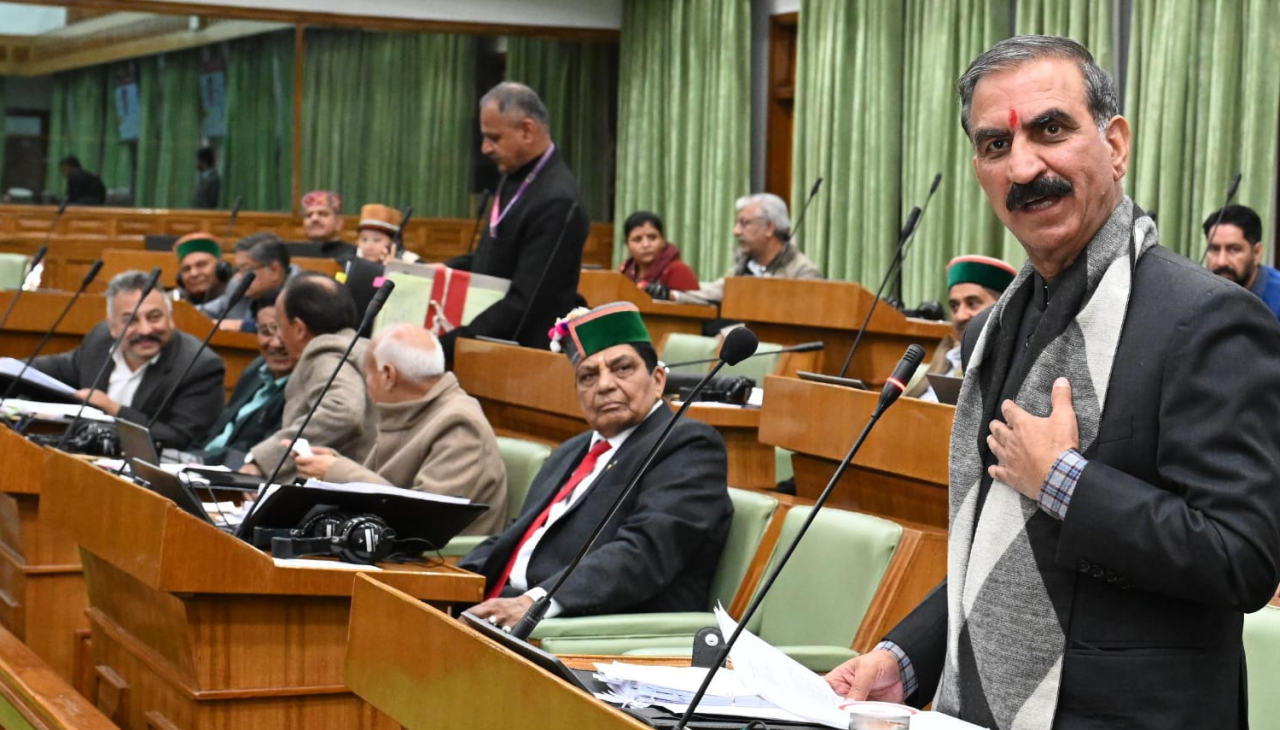
Chief Minister Sukhwinder Singh Sukhu said the bill does not bring drastic changes to Section 118 but aims to address practical challenges faced by genuine buyers. He said the amendment gives the government the authority to grant reasonable extensions instead of a blanket five-year period, ensuring that land-use regulations remain strict yet workable.