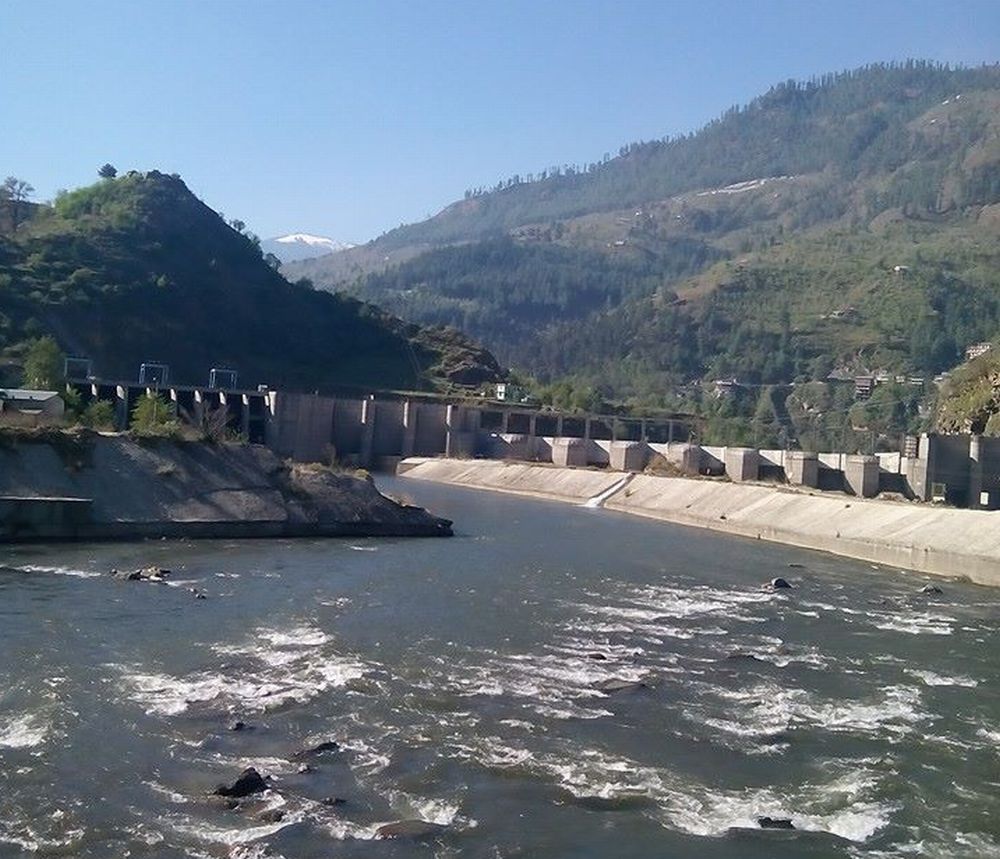


Shimla – Unchecked floods in the five major drains of Kullu valley – Fozal, Sarvari, Kasol, Hurla and Mohal – have been repeatedly turning the Beas river into a raging force of destruction, a new study has revealed. The research, conducted by the GB Pant National Himalayan Environmental Research Institute, Mohal (Kullu) in collaboration with Cumbria University (UK), Delhi University and Himachal Pradesh University, warns that the situation has worsened drastically in recent decades and now poses a serious threat to life, property, agriculture and tourism in Himachal Pradesh.
The study, submitted to the state government and the National Disaster Management Authority in May this year, examined flood and disaster patterns in the Kullu valley using data from 1835 to 2020.
Researchers drew from British-era records preserved in the British Library, London, where colonial officers had meticulously documented flood events in their diaries. These were supplemented by modern weather data from the Naggar Fold Station and the Indian Agricultural Research Institute’s Katrain station.
Findings show that the frequency of floods in these drains has increased by 68 percent since 1990. Between 1846 and 2020, Kullu district alone witnessed 128 major flood incidents across 59 sites. A staggering 87 percent of these occurred during the monsoon months of June to September, with heavy rains and cloudbursts accounting for over half of the events.
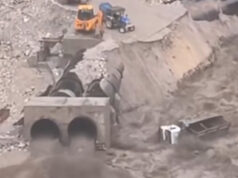
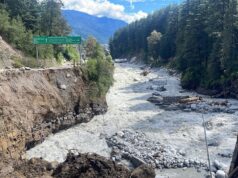
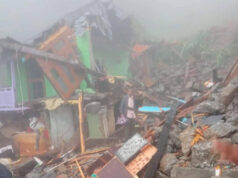
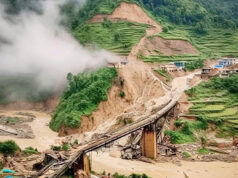
The Beas River, which receives the combined discharge from these drains, has been swelling dangerously every monsoon, unleashing havoc from Manali down to Punjab. Its overflowing waters have repeatedly washed away bridges, farmland, orchards and infrastructure. The floods also disrupt highways, isolating tourist hubs and threatening thousands of visitors.
Recent years have highlighted the severity of the crisis. In June 2025, flash floods in the Kasol (Grahan Nala) drain nearly swept away vehicles; in 2023, more than 10 vehicles were washed away, and the Bhuntar–Manikaran road was shut, forcing the rescue of nearly 10,000 stranded tourists. The Sarvari drain has repeatedly damaged water supply schemes, while Hurla floods destroyed apple and pomegranate orchards, farmland, and even a bailey bridge. In August this year, the Khokhan drain washed away eight vehicles, damaging private lands and horticultural fields.
The study warns that if urgent measures are not taken, the Beas River will continue to amplify the devastation caused by these drains. It recommends two key steps: construction of embankments along the drains and a strict ban on construction and mining activities near their banks. It further suggests resettling vulnerable populations away from flood-prone areas.
Experts caution that with the Beas river already prone to flash floods and landslides, unchecked inflows from these drains could trigger disasters on a much larger scale, not only threatening Himachal but also low-lying regions downstream in Punjab.
The Supreme Court has also taken cognisance of the repeated devastation underscoring the urgency of long-term flood management in the Kullu valley.