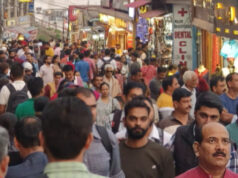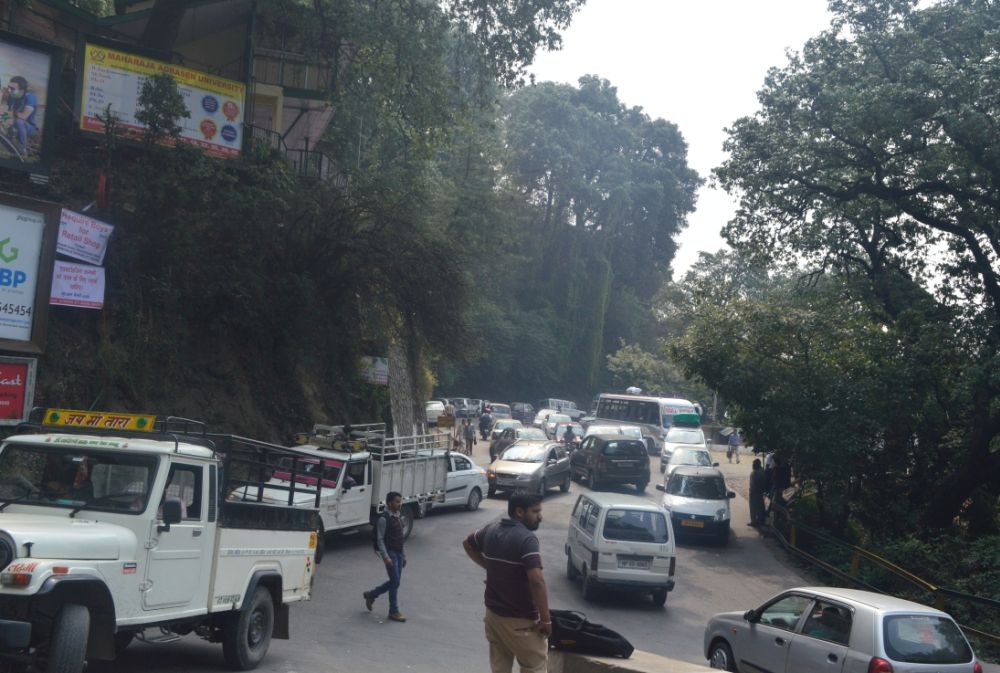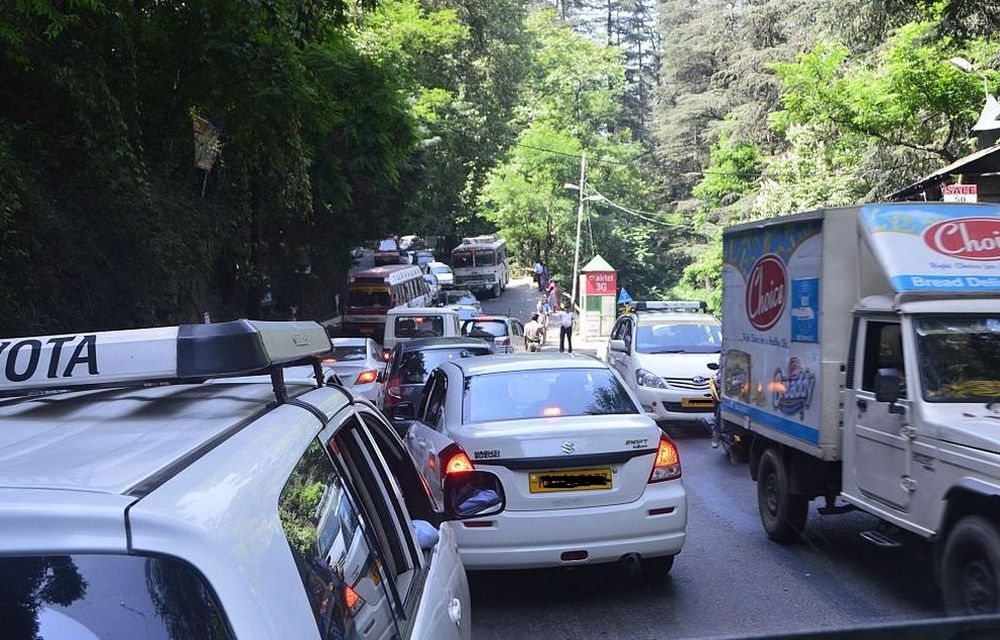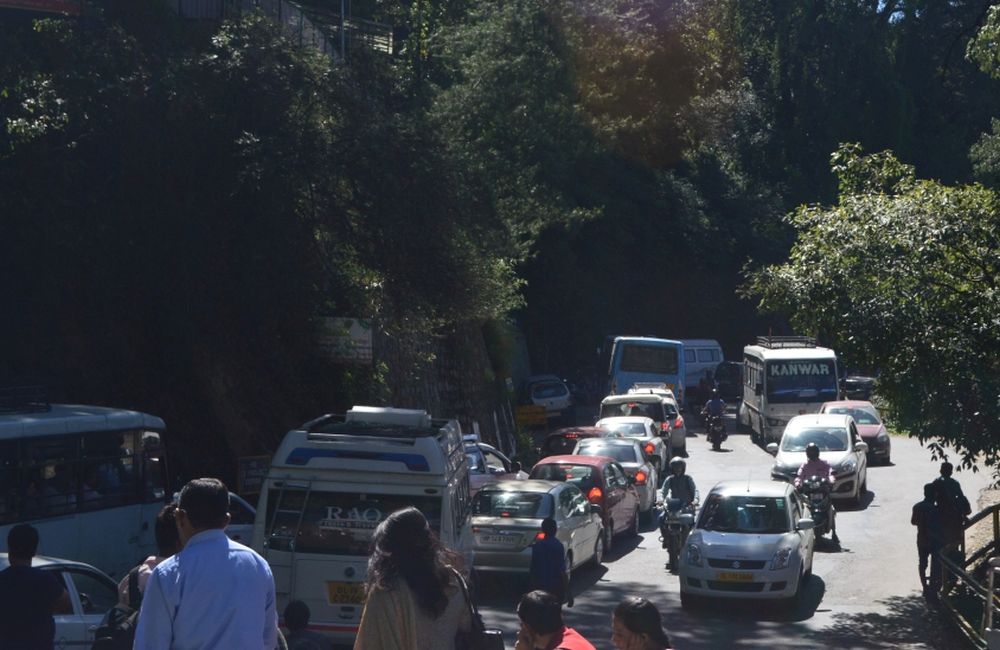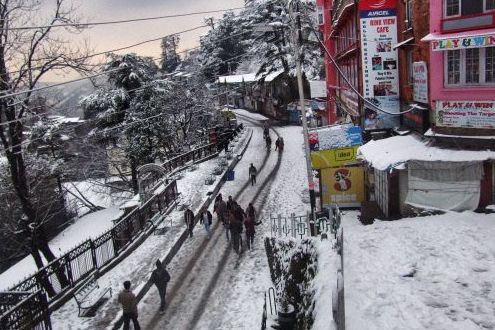

Shimla: Every summer, Shimla witnesses an overwhelming influx of tourists, bringing economic activity to the hill town. But the record movement of more than 1.85 million vehicles during May and June this year has once again exposed a growing crisis—one that goes far beyond traffic congestion. The unprecedented rush has highlighted the widening gap between tourism growth and the ecological and infrastructure capacity of one of the Himalayas’ most fragile urban centres.
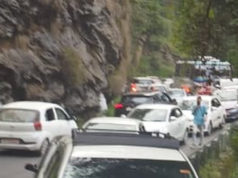
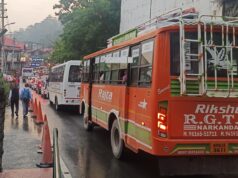
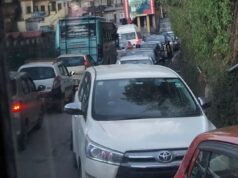
Traffic jams lasting several hours became a common sight not only in Shimla but also in Manali and other popular destinations across Himachal Pradesh. Thousands of vehicles remained stranded on narrow mountain roads, with visitors spending hours in queues during weekends and peak holiday periods. While the police intensified traffic management to ease congestion, experts say the larger issue is the absence of long-term planning to regulate tourism in environmentally sensitive regions.
Official data show that around 8.5 lakh vehicles entered Shimla in May, while nearly 10 lakh vehicles arrived in June, taking the total to over 18.5 lakh vehicles in just two months. The city, however, continues to depend on a road network that was never designed to handle such massive traffic volumes.
To manage the rush, Shimla Police increased the deployment of police personnel and Home Guards from 136 to 265, besides deploying volunteers, traffic bike riders and cranes to respond quickly to congestion. The city was divided into five traffic management sectors, and motorists travelling towards Kufri, Mashobra, Naldehra, Upper Shimla and Kinnaur were diverted through the Shoghi-Mehli bypass to reduce pressure on the city centre.
While these measures helped improve traffic movement, they did little to address the underlying problem of mounting pressure on the town’s fragile ecosystem.
One of the biggest challenges remains the lack of adequate parking infrastructure. During the peak tourist season, vehicles spill onto roadsides and residential areas due to insufficient parking spaces, reducing road width and worsening congestion. The shortage reflects years of unplanned urban growth, where the increase in tourist arrivals has far outpaced investment in essential infrastructure.
The environmental cost of this unchecked growth is becoming increasingly visible. Continuous traffic contributes to higher air and noise pollution, while the need for wider roads and additional construction often involves hill cutting and slope modification. Such interventions weaken mountain stability and increase the risk of landslides, particularly as climate change brings more frequent episodes of intense rainfall across the Himalayan region.
Shimla also faces growing pressure on its water supply, waste management system and public services during the tourist season. The surge in visitors generates significantly more solid waste and increases demand for basic civic amenities, stretching infrastructure that already struggles to serve the resident population.
Environmental experts have repeatedly stressed that Himalayan towns have a limited carrying capacity and cannot sustain unlimited tourism without scientific planning. Yet most hill stations continue to witness rising vehicle numbers without comprehensive policies to regulate private vehicle entry, strengthen public transport or develop satellite parking facilities outside congested urban centres.
The situation in Shimla reflects a broader challenge confronting many Himalayan destinations. Similar scenes of gridlocked roads and strained civic infrastructure have become common in Manali, Mussoorie and Nainital, where tourism has expanded rapidly without corresponding improvements in planning and environmental safeguards.
Tourism remains the backbone of Himachal Pradesh’s economy, supporting thousands of livelihoods. However, experts argue that future growth must be guided by sustainability rather than numbers alone. Measures such as scientific carrying-capacity assessments, better public transport, peripheral parking hubs, shuttle services and stricter urban planning are increasingly being viewed as essential to protect both tourism and the fragile Himalayan environment.
The record influx of vehicles this summer serves as a reminder that traffic management alone cannot solve Shimla’s problems. Unless tourism is planned within the ecological limits of the mountains, the city risks facing not only longer traffic jams but also irreversible environmental degradation that could threaten its future as one of India’s most sought-after hill destinations.