
Lawyers’ protest over steep pass fee hike brings city to a standstill; questions raised over traffic management, VIP access and shrinking pedestrian spaces
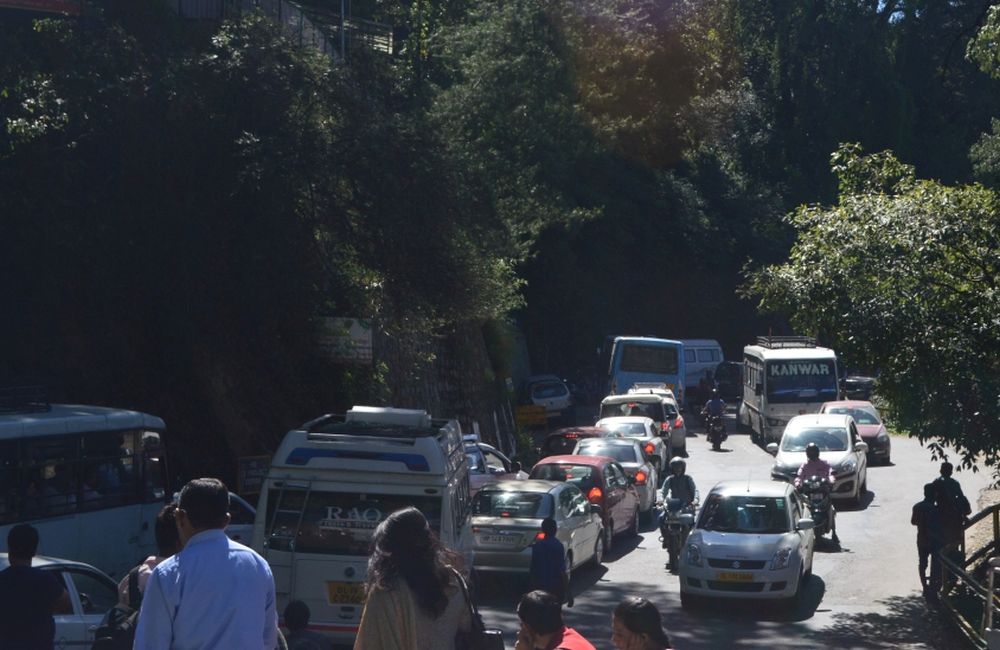
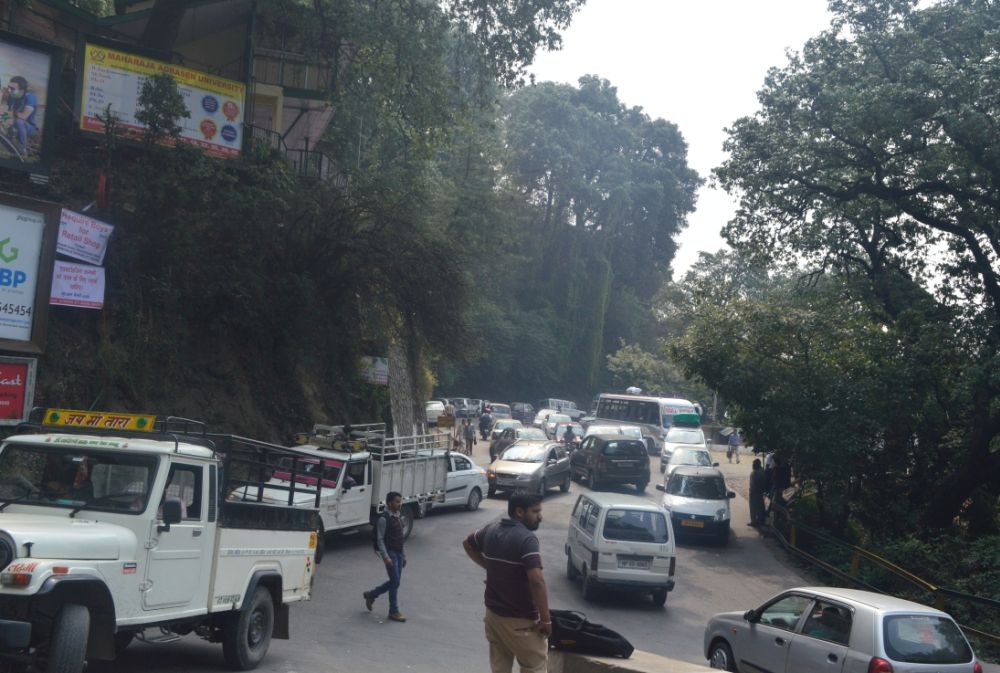
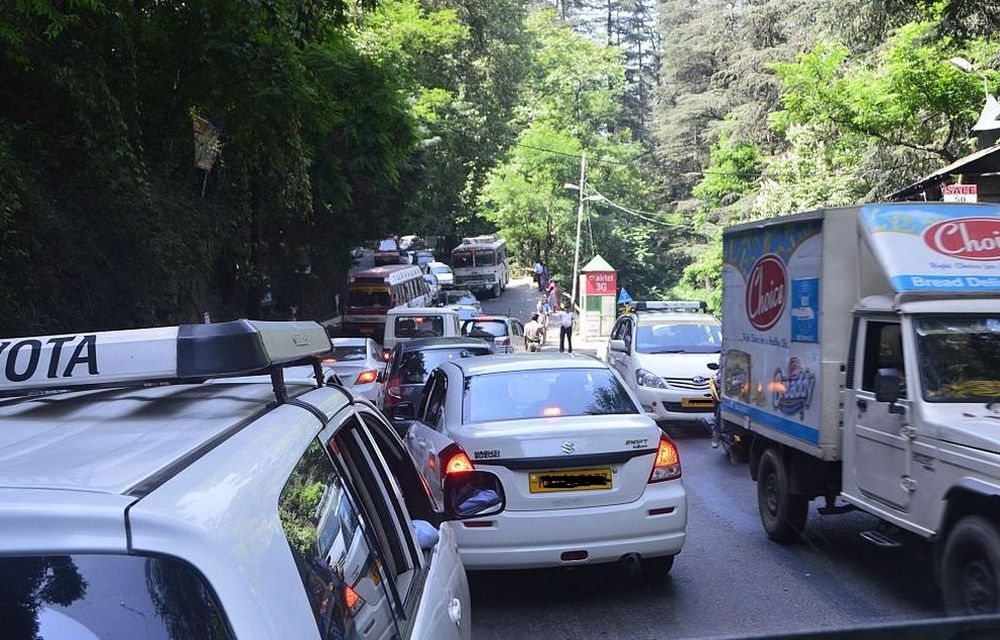
Shimla came to a halt on Tuesday as lawyers protesting against the steep increase in sealed road pass fees disrupted traffic movement in the heart of the city. For more than three hours, commuters remained stranded on key roads, office-goers were delayed, and normal life was thrown out of gear. While the immediate trigger was the government’s decision to significantly increase permit charges for sealed roads, the protest exposed a much deeper problem—the growing traffic crisis in the state capital and the widening gap between traffic regulations on paper and their implementation on the ground.
The lawyers’ agitation was directed against the revised rules governing access to sealed roads, which include routes connecting important government offices and institutions, including the Himachal Pradesh High Court. Under the new policy, annual pass charges have been increased sharply, while penalties for unauthorised entry have also become stricter. Advocates argue that the decision places an unnecessary burden on legal professionals who require daily access to these roads for court-related work.
However, the protest soon took a dramatic turn when lawyers began checking vehicles using sealed roads and questioning whether all road users were complying with the rules. During the agitation, several government officers and officials were reportedly found using the sealed road network without valid passes, resulting in challans being issued. The development brought to the forefront a concern that many residents have voiced for years—that enforcement of traffic restrictions is often perceived to be unequal.
The issuance of challans to government officers turned the spotlight on an uncomfortable question: if sealed roads are meant to remain restricted and permit-based, how many vehicles are using them without authorisation on a daily basis? The incident also strengthened the argument of those who believe that rules should be enforced uniformly, irrespective of a person’s designation or position.
The controversy has once again drawn attention to the original purpose of sealed roads. These roads were created to reduce vehicular pressure in Shimla’s core urban area and to protect pedestrian movement in a city where space is extremely limited. Over the years, however, increasing numbers of permits, alleged violations and demands for exemptions have diluted the effectiveness of the system.
Tuesday’s events highlighted that the issue is no longer confined to lawyers or pass holders. It reflects a larger crisis facing Shimla. The city was designed decades ago for a much smaller population and far fewer vehicles. Today, thousands of vehicles enter the town every day, putting enormous pressure on roads that have little scope for expansion due to geographical constraints.
Congestion has become a daily reality on major stretches, including Cart Road, Circular Road, Chhota Shimla, Sanjauli, Khalini and the Victory Tunnel area. During peak hours, traffic often crawls for kilometres. Tourist seasons further worsen the situation, with vehicles overflowing from parking areas onto roadsides and creating bottlenecks across the city.
The irony is hard to miss. Shimla, once celebrated for its walkable character and pedestrian-friendly spaces, is increasingly becoming vehicle-centric. Roads meant for pedestrians are under pressure, public spaces are shrinking and residents frequently find themselves competing with traffic in areas that were originally designed for people rather than automobiles.
The government’s challenge is undoubtedly difficult. Road widening options are limited, land availability is scarce and the number of registered vehicles continues to rise. Restricting access to certain roads may therefore appear necessary. Yet residents argue that traffic management cannot be reduced to issuing passes and increasing fees. The city requires a broader and more effective mobility plan.
Parking shortages remain one of the biggest contributors to congestion. Vehicles parked along roadsides narrow already constrained carriageways. Public transport services, despite improvements in some areas, still fail to provide a viable alternative for many commuters. As a result, dependence on private vehicles continues to grow.
The consequences are visible every day. Longer travel times, fuel wastage, rising pollution levels and increasing frustration among residents have become routine. In a hill city already facing pressure from unplanned urbanisation, visual pollution and environmental degradation, worsening traffic only adds to the burden.
What happened during the lawyers’ protest should be viewed as more than a disagreement over pass fees. The fact that challans were issued to government officers for allegedly using sealed roads without valid authorisation exposed weaknesses in enforcement and raised legitimate questions about accountability. More importantly, it demonstrated how vulnerable Shimla’s transport network has become. A single protest was enough to bring large parts of the city to a standstill.
The debate over sealed roads may continue, but the larger issue remains unchanged. Shimla’s traffic crisis is no longer a seasonal inconvenience; it has become a structural problem. Unless authorities focus on strengthening public transport, improving parking management, ensuring uniform enforcement of rules and preserving pedestrian spaces, the city risks losing the very character that made it unique.
The lawyers’ protest may have started over a pass fee hike, but it ended up exposing a reality that thousands of residents experience every day—a city struggling to move because its roads, policies and planning are no longer keeping pace with its growth.