
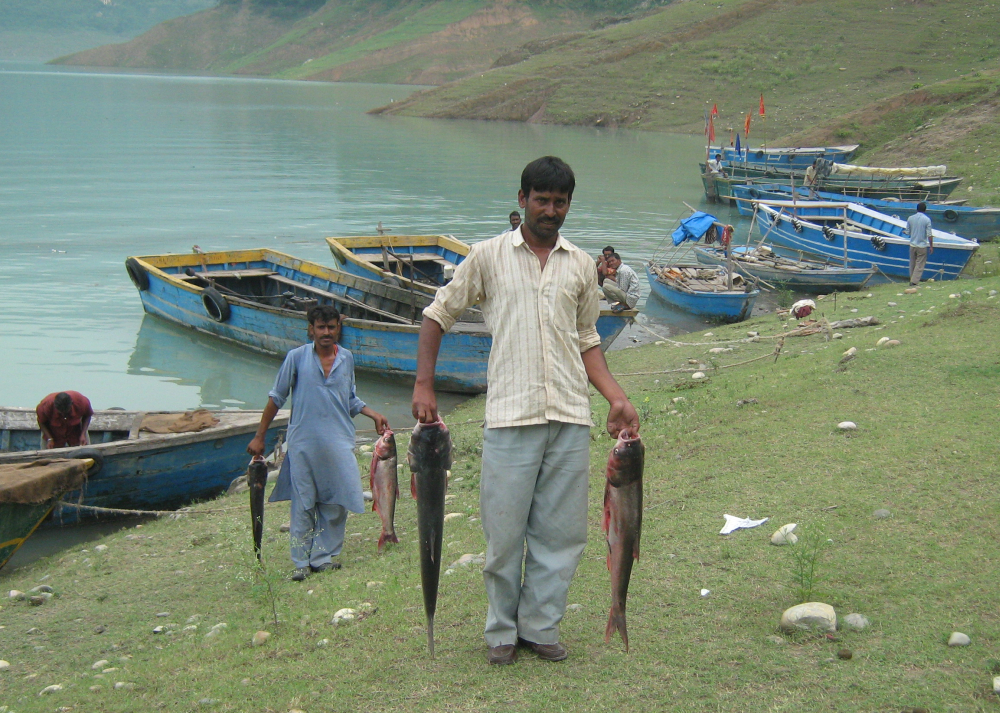
Shimla: In a major relief to the fishing community, the Himachal Pradesh government has decided to reduce the royalty on fish catch from reservoirs from 7.5 percent to just one percent. This decision, announced as part of the 2026-27 budget, comes after the royalty was already lowered from 15 percent to 7.5 percent in the previous year.
The move is expected to directly benefit more than 6,500 fishermen families who depend on the Gobind Sagar, Pong Dam, Chamera, Ranjit Sagar, and Kol Dam reservoirs for their livelihood. The initiative forms part of the state government’s efforts to strengthen the fisheries sector, which plays a vital role in the rural economy while contributing significantly to nutritional and protein security.
Chief Minister Sukhvinder Singh Sukhu stated that the government is committed to doubling the income of fishermen through policy support, infrastructure development, and value addition initiatives. He said the reduction in royalty and license fees would provide substantial economic relief to fishermen, improve their livelihoods, and enhance their overall standard of living. The Chief Minister has directed the Fisheries Department to conduct a comprehensive awareness campaign to ensure that all registered fishermen avail the benefits of this revised policy.
CM Sukhu noted that the earlier royalty structure had adversely affected the earnings of both the fishermen cooperative societies and individual fishermen. He expressed confidence that bringing the royalty down to one percent will significantly improve profitability, discourage out-migration from reservoir areas, and give a major boost to the state’s emerging blue economy.
The Chief Minister further added that the government is taking several measures to modernise the fisheries sector. These include the development of fish landing centres, provision of ice boxes, and the strengthening of marketing linkages to ensure better prices for fish produce. These initiatives, combined with the sharp reduction in royalty, are expected to enhance the net earnings of fishermen and make fishing a more sustainable and attractive livelihood option for rural youth.