
Shimla – Congress MLA from Theog and All India Congress Committee spokesperson Kuldeep Singh Rathore has raised serious concerns over the Centre’s fruit import policy, saying the reduction in import duty on apples and other fruits is harming Himachal Pradesh’s economy.
In a statement, Rathore termed the lowering of import duty on apples from European countries to 20 percent as unfortunate. He said the decision was a direct injustice to apple growers of the state, whose livelihoods depend largely on horticulture. Rathore pointed out that the Centre had earlier reduced import duties on fruits from New Zealand and was now extending similar concessions to European countries.
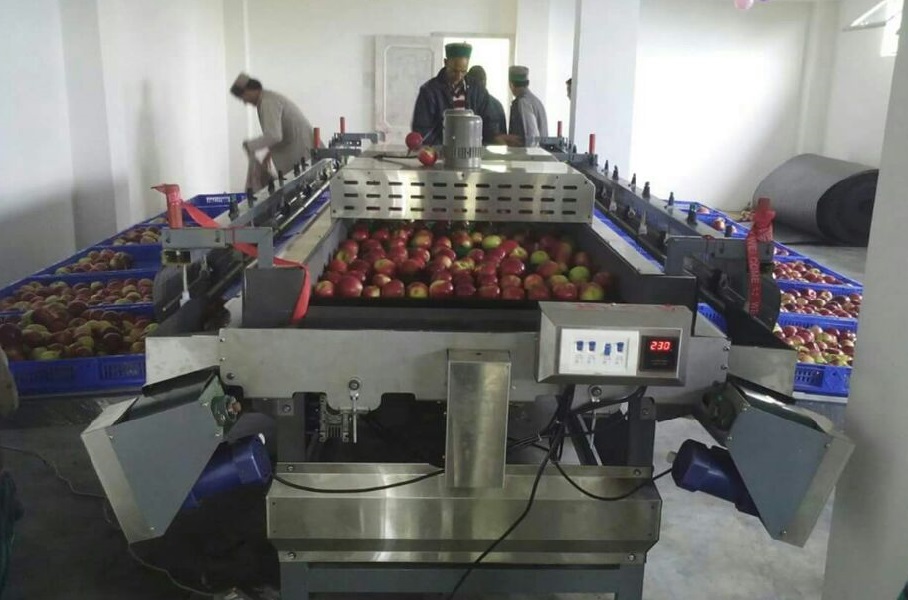
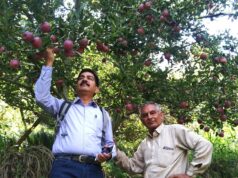
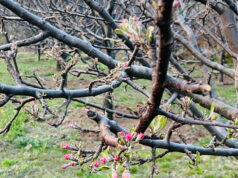
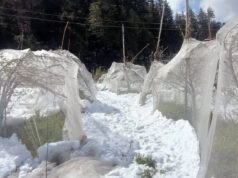
He said Himachal’s apple economy, estimated at around ₹5,000 crore, is already facing multiple challenges, including rising production costs, climate-related losses and market instability. Allowing cheaper imported apples to enter Indian markets, he added, would further weaken the position of local growers and reduce their returns.
Rathore accused the central government of following anti-farmer and anti-horticulturist policies. He alleged that such decisions were being taken under pressure from powerful countries and for political gain, without considering their long-term impact on hill states like Himachal Pradesh.
Expressing apprehension over ongoing and future trade agreements, Rathore said similar concessions under free trade deals with different countries could destroy domestic apple production and local markets. He warned that unchecked imports would make it difficult for apple growers to survive.
Reiterating his demand, Rathore urged the Centre to impose a 100 percent import duty on fruits coming from abroad. He also said Prime Minister Narendra Modi should fulfil the promises made to apple growers of Himachal Pradesh.
The issue has gained importance amid recent India–Europe trade negotiations, where tariff reductions on several products, including agricultural items, are being discussed to strengthen bilateral trade. Growers in Himachal fear that without protective measures, such agreements could expose domestic apple growers to stiff competition from imported produce and further strain the state’s horticulture-based economy.