

28% Decline in Fish Species; Beas River Projects to Undergo Social and Environmental Studies Before Approval
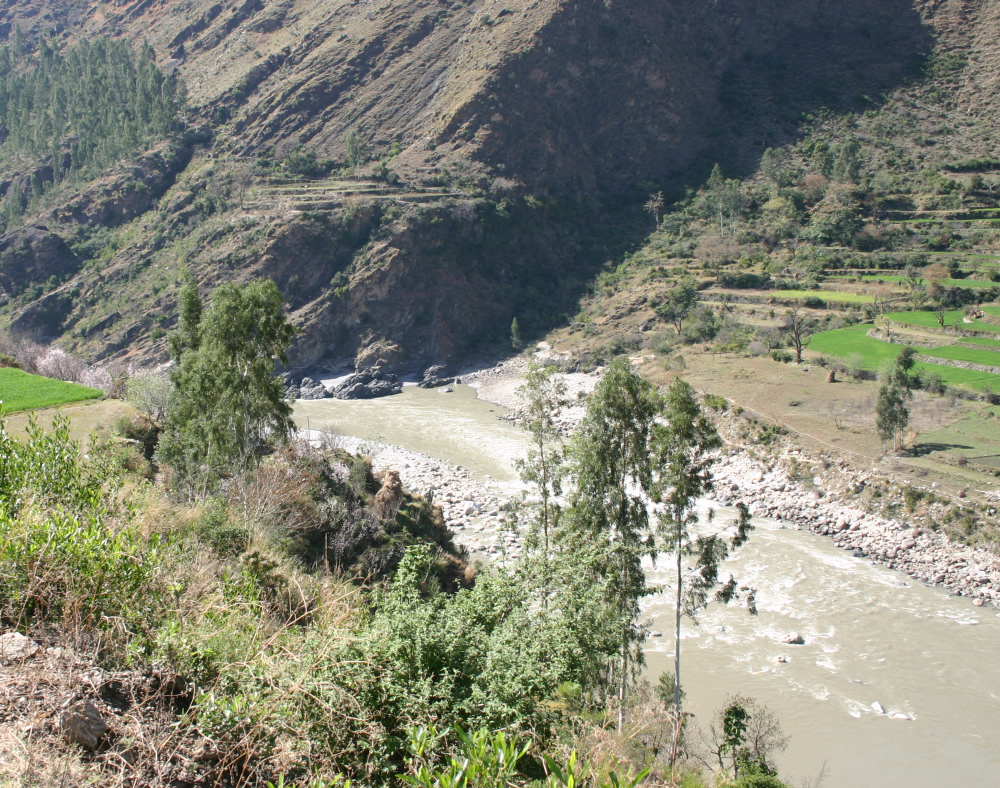
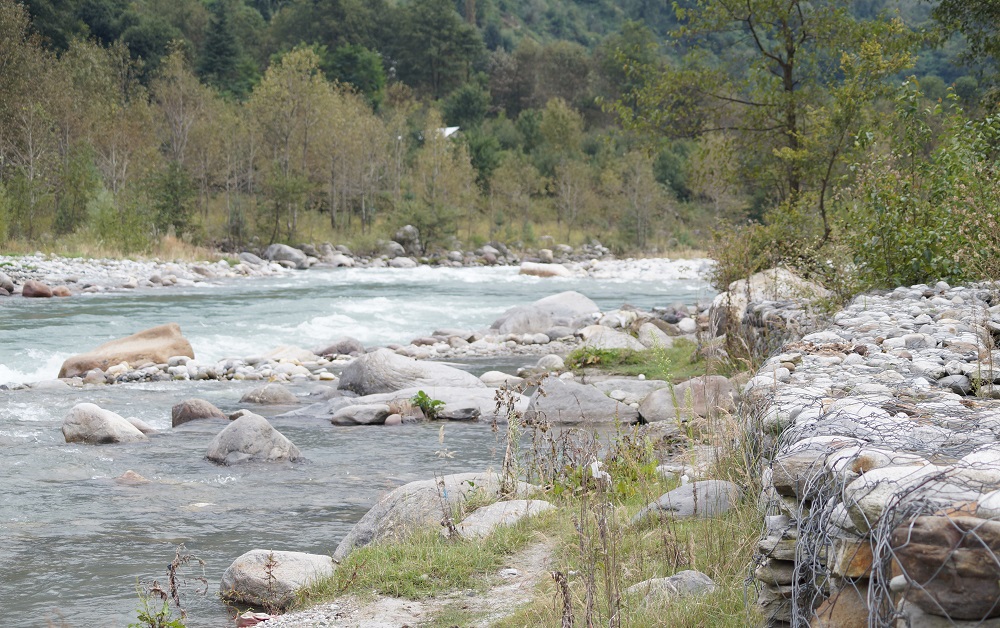
Shimla: The Himachal Pradesh government has decided to tighten regulations for proposed and ongoing hydropower projects on the Beas River in response to growing concerns over floods, landslides, and ecological damage.
Under the new system, the Energy Directorate will conduct detailed environmental and social impact studies before approving any project on the Beas and its tributaries. These studies will assess the impact on river flow, vegetation, aquatic life, tourism, and the livelihoods of local communities. Until now, projects were largely evaluated on production capacity and technical aspects, but the revised approach will prioritise disaster management and ecological sustainability.
A recent survey conducted between 2022 and 2024 found that fish species in areas with dense hydropower projects on the Beas had declined by nearly 28 percent. The study also revealed that uncontrolled water releases during the monsoon have significantly raised the risk of flooding in downstream regions.
Chief Minister Sukhvinder Singh Sukhu has directed that all projects will now be developed under the “One River, One Policy” policy, which caps the number of projects allowed on any river. “Energy production is important, but it cannot come at the cost of the environment or the safety of local communities,” he said.
The new rules also mandate public consultation, ensuring that villagers are part of the decision-making process. Adequate compensation and rehabilitation measures for those affected by projects will be made compulsory.
Energy Director Rakesh Prajapati said the new framework will help balance energy needs with environmental protection. “These measures will strengthen disaster prevention efforts while ensuring sustainable development in Himachal Pradesh,” he added.
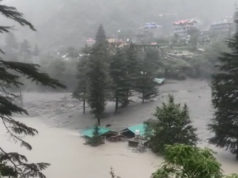
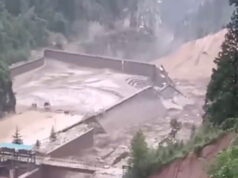
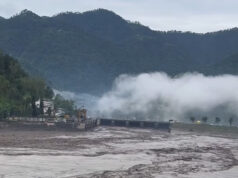
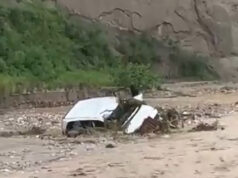
The decision comes against the backdrop of recent floods and cloudbursts in Himachal Pradesh that caused widespread devastation along the Beas River and its tributaries, underscoring the urgent need for stronger safeguards in hydropower planning.