Repeated damage to roads caused by landslides, cloudbursts and extreme weather events has emerged as one of the biggest challenges facing Himachal Pradesh, prompting the state government to push for a technology-driven and stronger Public Works Department (PWD).

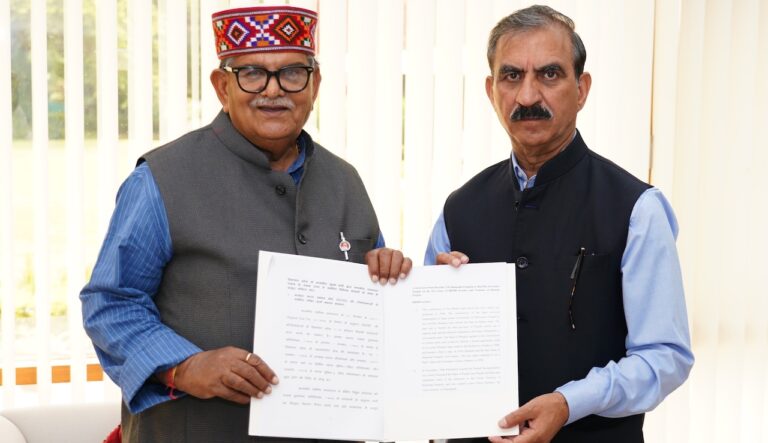
Chief Minister Sukhvinder Singh Sukhu on Saturday said the government was undertaking major reforms in the PWD to equip it for future challenges and was even considering expanding the department’s mandate beyond its traditional role.
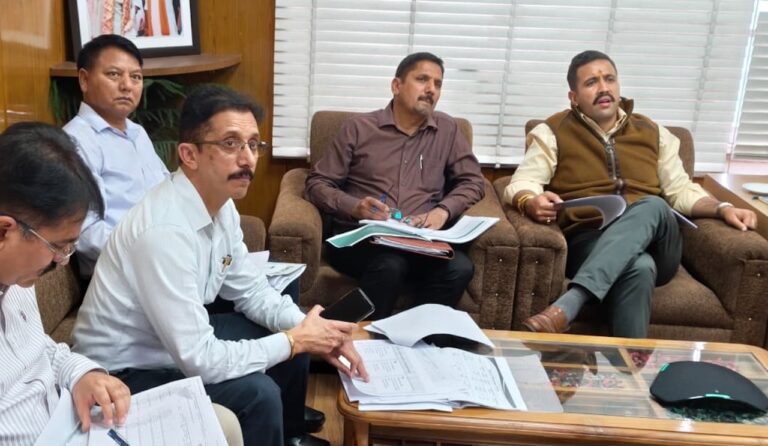
He was addressing the North Zone Inter-State Interactive Session on “Quality Assurance in Public Works Departments”, which was attended by senior engineers and officers from Himachal Pradesh, Jammu and Kashmir, Haryana, Punjab, Uttarakhand and Rajasthan.
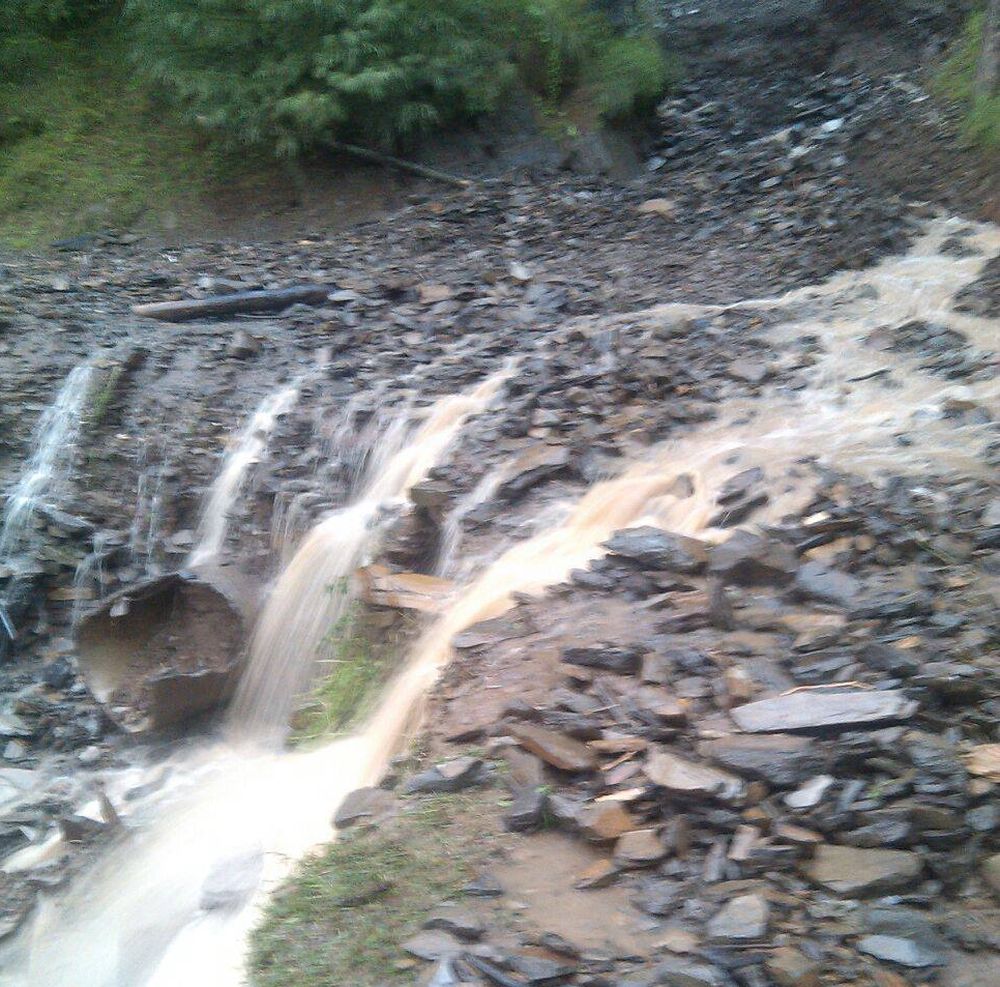
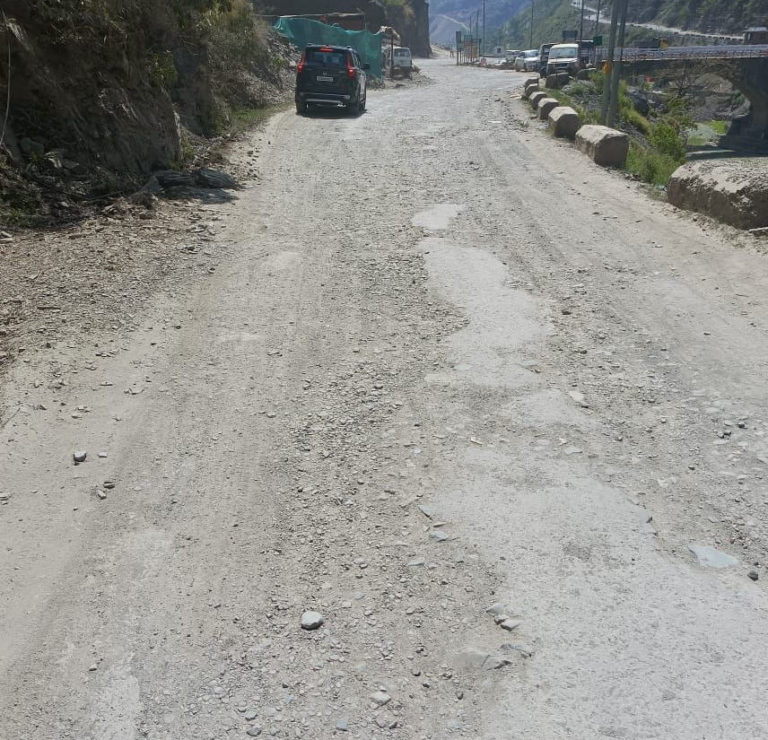
The remarks come at a time when road maintenance has become increasingly difficult in Himachal Pradesh. Every monsoon, hundreds of roads are blocked due to landslides and slope failures, while heavy rains and flash floods repeatedly damage bridges, retaining walls and drainage systems. Mountain roads in many districts require frequent restoration, placing a heavy financial burden on the state.
With nearly 90 per cent of Himachal’s area being mountainous, road connectivity remains the lifeline for residents, tourism, horticulture and economic activities. Maintaining the state’s extensive road network of around 45,000 kilometres has become a daunting task, especially in view of changing weather patterns and recurring natural disasters.
Sukhu said the effects of climate change were already visible in Himachal Pradesh and could affect other states in the coming years. He said reconstruction of infrastructure damaged by disasters would be among the biggest challenges ahead. According to him, expenditure on disaster reconstruction currently accounts for around four per cent of the Gross Domestic Product (GDP), which could rise to 14 per cent by 2050.
He said the department would have to move beyond conventional road construction and adopt advanced infrastructure technologies. Emphasising the need for sustainable development, the Chief Minister said the PWD should develop expertise in areas such as tunnel construction and high-rise buildings and also explore opportunities in sectors like dam construction. He indicated that the government was contemplating broadening the department’s mandate in future.
Public Works Minister Vikramaditya Singh said capacity building and adoption of modern technologies were essential in the present scenario. He said interactive sessions with engineers from northern states provided exposure to innovative practices and solutions.
The minister said global warming had created fresh challenges across northern India and demanded new approaches to infrastructure development. He noted that although most panchayats in Himachal Pradesh had now been connected by road, preserving and maintaining the vast network sustainably remained a major challenge.
To improve road quality and increase their lifespan, the state government has formulated a new drainage policy, as poor drainage has often been identified as one of the key reasons behind premature damage to roads in the hill state.
Vikramaditya Singh also pointed to rising construction costs. He said the prevailing situation in the Middle East had pushed up the prices of construction materials, adding further pressure on development projects and increasing the challenges faced by the department.
Over the past three years, Himachal Pradesh has witnessed a series of devastating weather events that have caused widespread destruction to roads and public infrastructure. In such situations, the PWD has played a crucial role in restoring connectivity, but the increasing frequency of disasters has highlighted the need for stronger, climate-resilient and technology-driven infrastructure in the state.