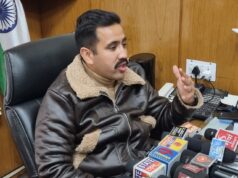


Amid opposition protests and heated exchanges in the House, the Congress-ruled Shimla Municipal Corporation on Friday presented a ₹688 crore budget for the financial year 2026–27, announcing no new taxes but proposing an increase in user charges, including garbage fees.
The budget, tabled under the chairmanship of Mayor Surendra Chauhan and Deputy Mayor Uma Kaushal, marks a steep jump of ₹500 crore compared to last year’s ₹188 crore outlay. The civic body described it as a zero-deficit budget, with projected income matching the proposed expenditure.
Charges Up, Taxes Unchanged
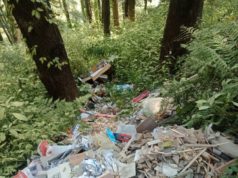
While residents have been spared fresh taxation, the decision to increase garbage and other service charges is expected to directly impact households and commercial establishments. Civic authorities argue that rationalising user charges is necessary to improve service delivery and ensure financial sustainability, especially in waste management and sanitation.
Opposition councillors, however, questioned the move, alleging that raising fees without visibly improving services would burden citizens already coping with rising living costs.
Loan-Funded Housing Push
A significant feature of the budget is the inclusion of a ₹200 crore loan to construct flats in the city. The borrowing has been factored into the revenue structure, contributing to the expanded size of the budget. Officials maintain that the housing initiative aims to address urban pressure and provide better residential infrastructure.
In addition to internal resources, the Municipal Corporation has included anticipated funds from central government schemes such as the SASKI Fund, Urban Challenge Fund and assistance from the Asian Development Bank (ADB).
Infrastructure and Ward Works
The Roads and Buildings wing has been allocated ₹55.15 crore for the construction of parks, parking lots, ambulance roads, pedestrian pathways, rain shelters, toilets, community halls, commercial complexes, guest houses and residential buildings.
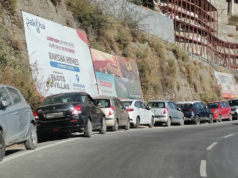
An additional ₹42.30 crore has been earmarked for ward councillors’ priority projects. These include 25 new ambulance roads, parking facilities for around 450 vehicles at 17 locations, 12 community halls and 14 playgrounds. The works will be executed in two phases, costing ₹20 crore and ₹22.30 crore respectively. The availability of ₹10 crore from last year’s in-principle approval is expected to speed up implementation.
The budget also sets aside ₹5.35 crore for repairs and maintenance and ₹19 lakh for a stainless steel memorial dedicated to Dr. Bhimrao Ambedkar.
Drainage, Ridge and Dumping Sites
With monsoon damage and drainage issues recurring in the hill city, an estimate of ₹90 crore has been prepared for the channelisation and improvement of drains. In-principle approval has also been granted for strengthening the remaining portion of the Ridge and constructing a multi-storey complex.
Four dumping sites—Sanjauli, Dhali Bypass, Kanlog and Anadel—have been allocated ₹2 crore collectively to improve waste management infrastructure.
The presentation of the budget was marked by opposition uproar, with councillors questioning the feasibility of a zero-deficit claim amid heavy reliance on loans and external funding. The sharp rise in the overall budget size has also sparked debate over execution capacity.
For residents, the key concern will be whether higher user charges translate into tangible improvements in sanitation, traffic management, drainage and public amenities. As Shimla continues to grapple with congestion, waste disposal challenges and ageing infrastructure, the success of the ₹688 crore plan will ultimately depend on effective implementation rather than headline figures.