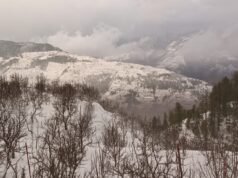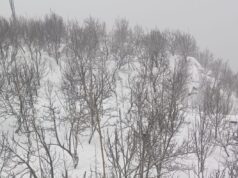


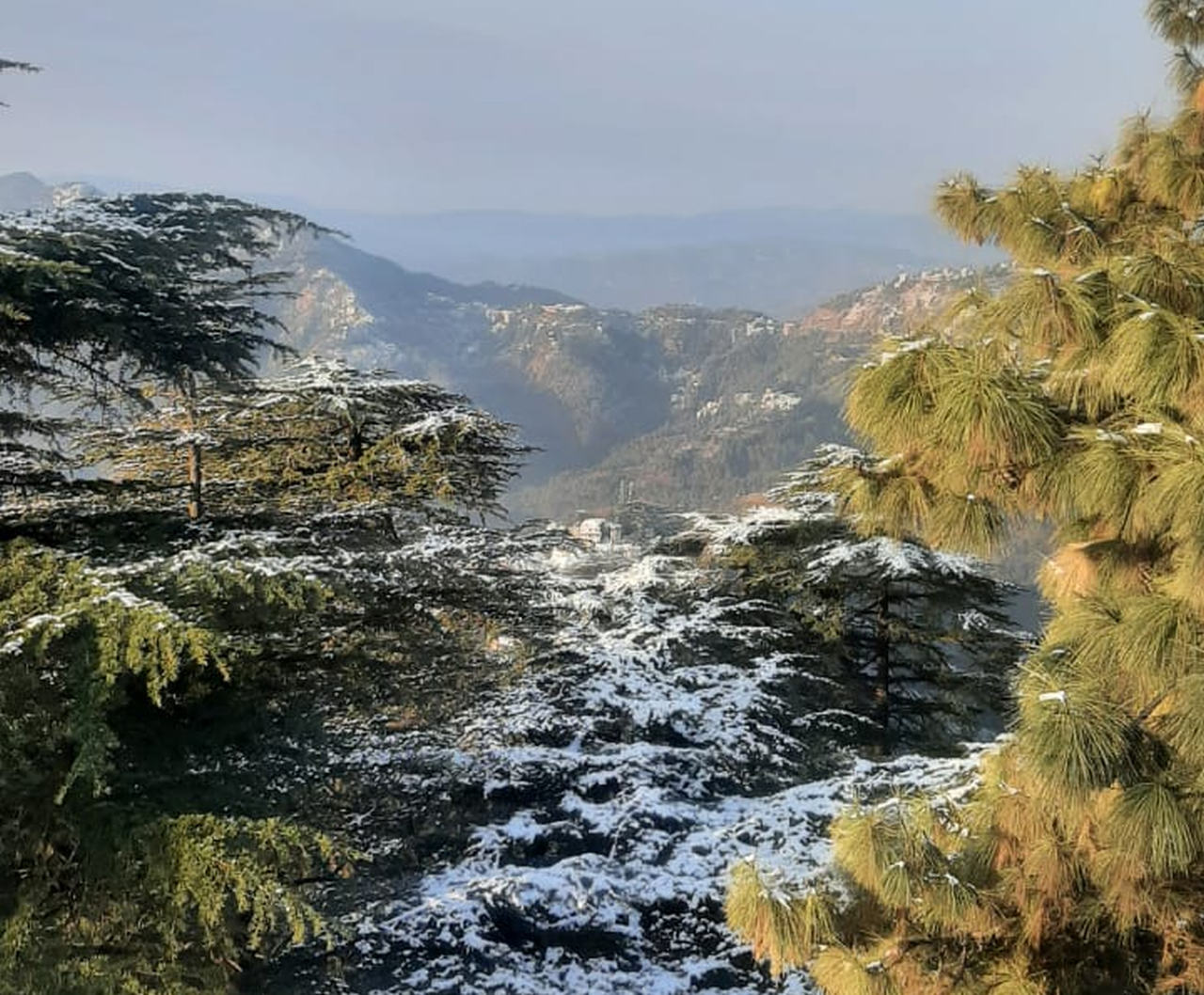
Snowfall in Shimla, once a regular winter feature, has been steadily declining over the past several years. What earlier defined the city’s winters, its economy, and its identity is now becoming irregular and uncertain. Winters that once brought sustained snow for days are increasingly marked by dry spells, brief flurries, or no snow at all. This visible change has triggered concern among residents, environmental experts, and researchers, who see it as a clear sign of shifting climate patterns in the mid-Himalayan region.
Research studies on long-term climate trends in Himachal Pradesh show a consistent rise in average winter temperatures over the last three to four decades. Even a small increase in temperature plays a decisive role in hill regions, where precipitation that once fell as snow now turns into rain. Studies analysing data from Shimla and nearby areas point to declining snowfall frequency and duration, along with warmer nights during winter. The snow line has gradually moved to higher altitudes, leaving lower and mid-elevation towns like Shimla increasingly snowless.
Weather patterns in the region have also become more erratic. Instead of steady winter systems bringing prolonged snowfall, the city now witnesses short and weak western disturbances. These systems either pass quickly or bring rain instead of snow. At the same time, winters are seeing longer dry periods interrupted by sudden cold waves or foggy conditions. This inconsistency has reduced snow accumulation and shortened the winter season, altering the natural rhythm the region depended on.
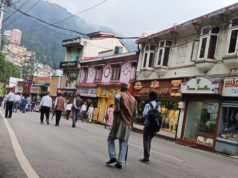
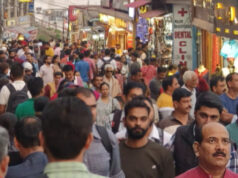
The impact on Himachal Pradesh’s economy is already visible, especially in tourism. Shimla’s winter tourism relied heavily on snowfall to attract visitors from the plains. In recent years, tourists have often returned disappointed, leading to cancellations, shorter stays, and reduced spending. Hotels, taxi operators, guides, and small traders who depend on winter footfall face growing uncertainty. Tourism forms a significant part of the state’s economy, and unreliable winters threaten livelihoods across the sector.
The decline in snowfall is also affecting water security. Snow acts as a natural reservoir, slowly releasing water into springs, streams, and rivers during warmer months. Reduced snowfall means less recharge of water sources. Shimla has already faced water shortages in previous years, and experts warn that continued snow decline could worsen summer water stress, forcing greater dependence on pumping and external water supply schemes.
Agriculture and horticulture are another silent casualty. Apple growers and farmers in the region depend on sufficient chilling hours during winter. Research indicates that warmer winters are reducing these chilling periods, directly affecting fruit quality and yield. Over time, farmers may be forced to shift crops to higher altitudes or change varieties, increasing costs and risks in an already fragile hill economy.
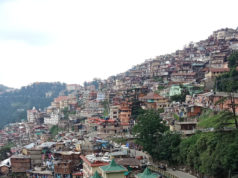
Environmental experts link this trend not only to global climate change but also to local factors such as rapid urbanisation, deforestation, and unplanned construction. Concrete expansion, loss of green cover, and pressure on natural slopes have altered local microclimates. Shimla’s growth has come at the cost of its natural ability to regulate temperature and retain moisture, accelerating the impact of broader climate changes.
Shimla’s snowless winters are no longer an exception but a pattern. This shift is a warning for the entire Himalayan state, pointing to long-term consequences for weather stability, economic sustainability, and human well-being. Without serious focus on climate-sensitive planning, environmental protection, and adaptive policies, the disappearance of snow from Shimla may soon become the new normal, with lasting consequences for Himachal Pradesh and its people.