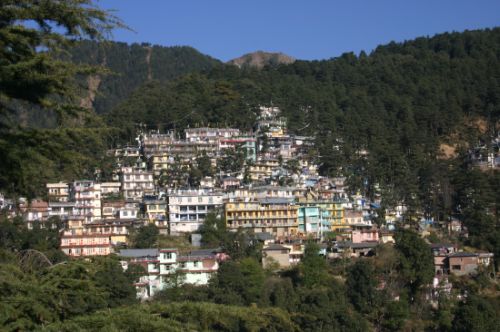


Tucked on the quiet slopes of Lalpani in Shimla, the Government Boys’ School stands as a proud witness to 177 years of educational heritage. Established in 1848, it is Shimla’s oldest school, and every wall, staircase, and corridor of this historic building continues to echo the footsteps of generations who once shaped the town’s intellectual and cultural identity.
In its early years, the school was known as the Municipal Board School of Shimla, reflecting its civic roots under the British administration. Official documents revealed that later, in 1903, it was renamed the Middle Department Municipal Board School, Shimla, as the institution expanded to offer more formal education under the supervision of the municipal authorities. After the formation of Himachal Pradesh and the establishment of the Himachal Pradesh Board of School Education (HPBOSE), the historic school became affiliated with the state board.
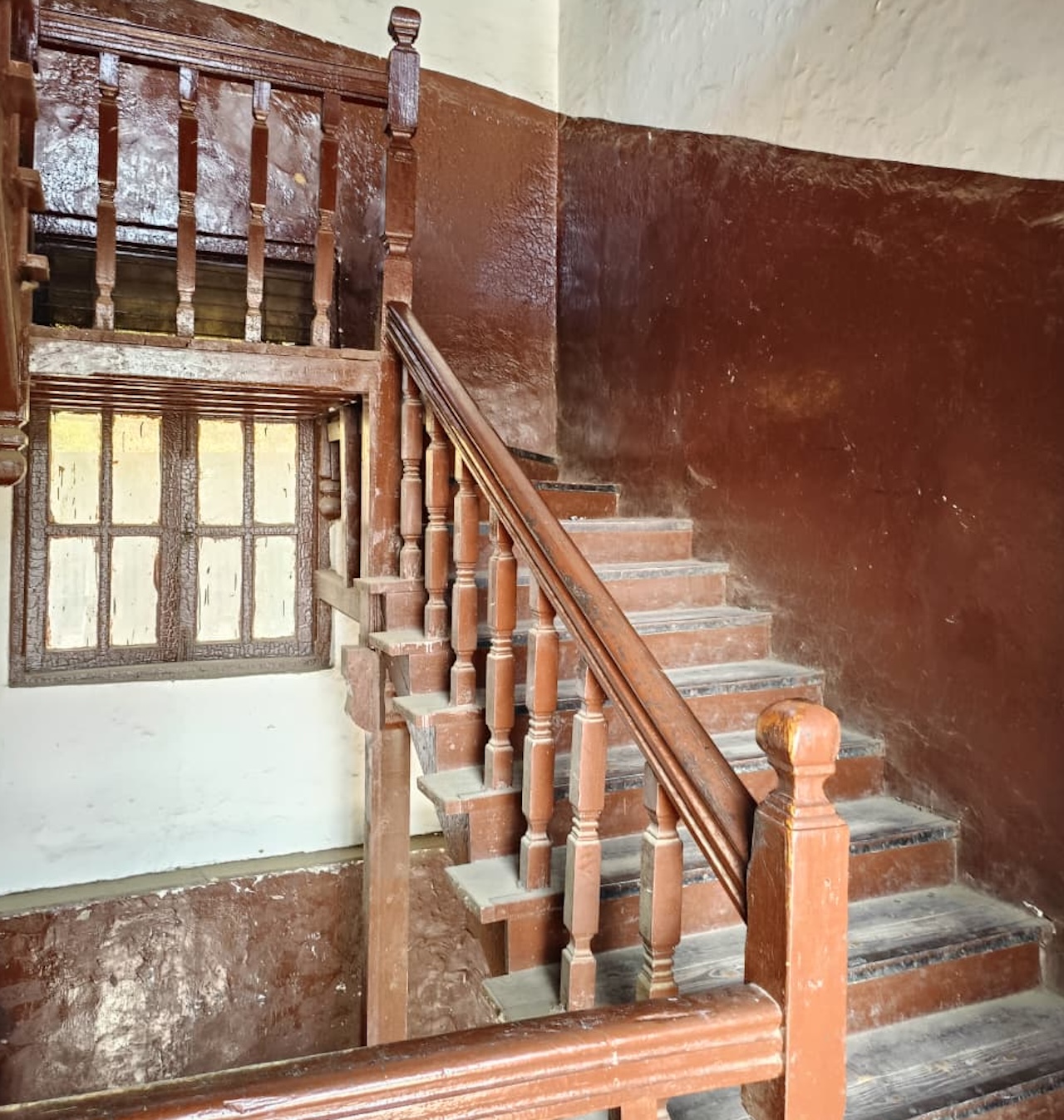
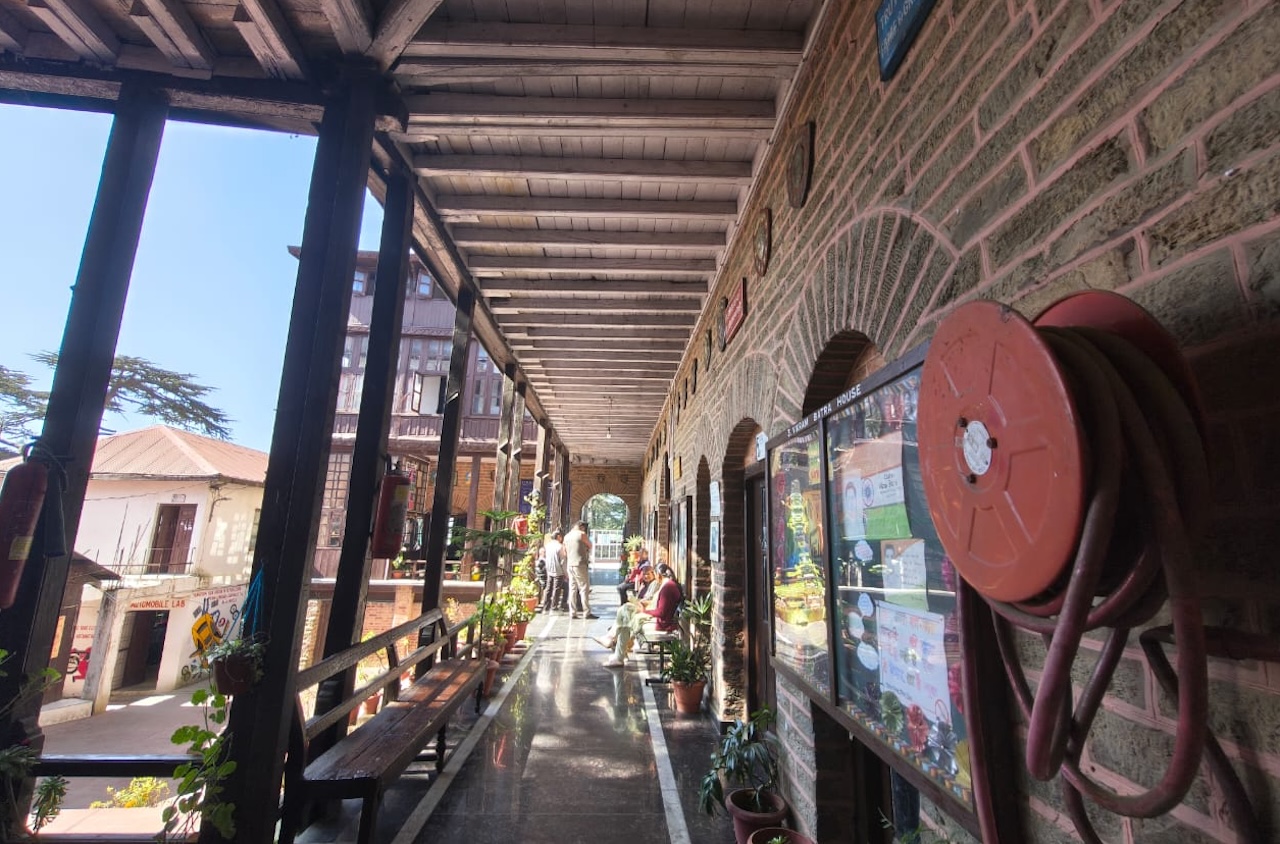
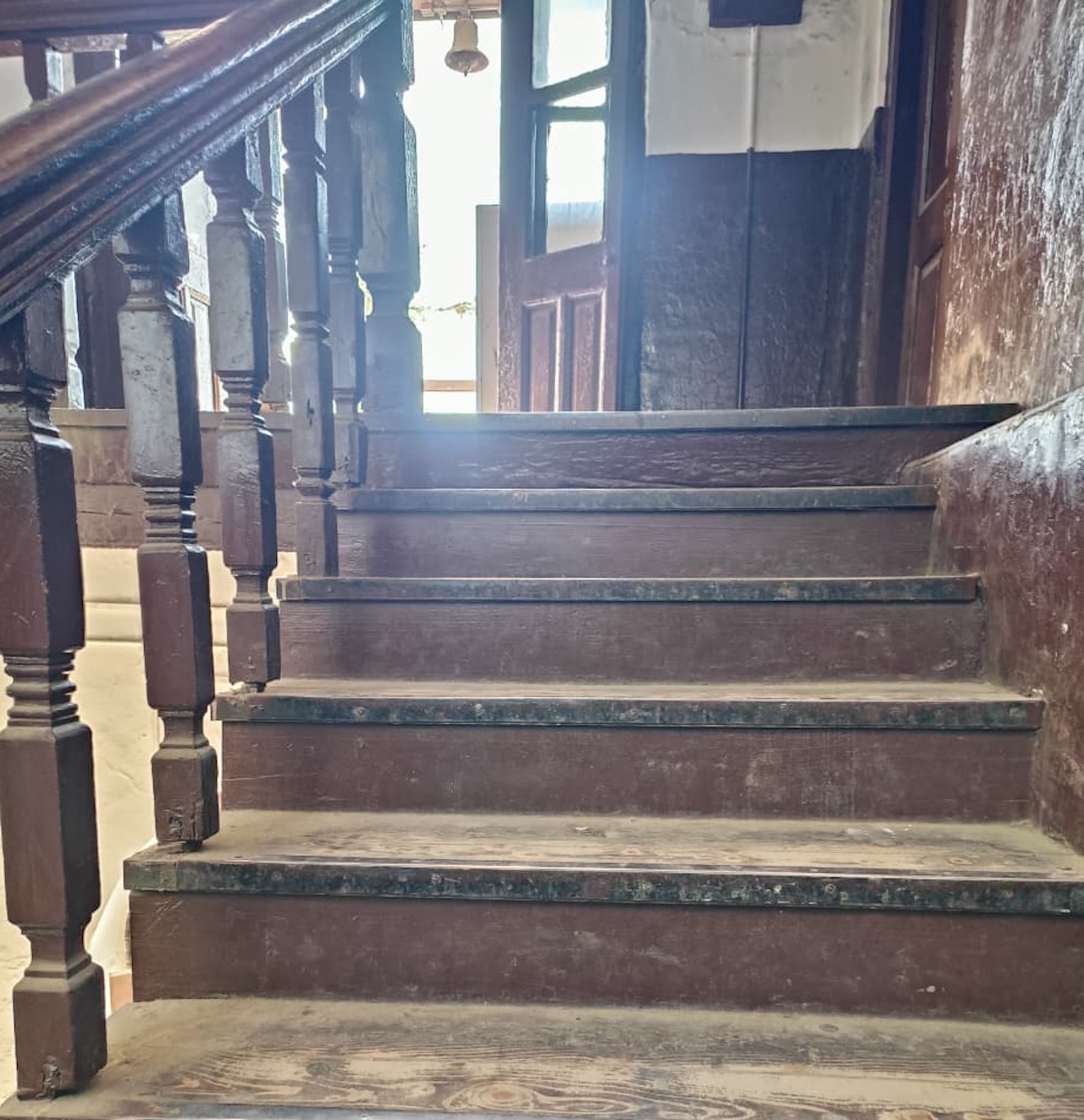
Built during the British era, the school’s heritage structure, believed to have come up around 1880, is a striking example of Anglo-Indian architecture. The design combines European aesthetics with the craftsmanship of local artisans, using materials suited for the hill climate. The wooden staircases, polished smooth by time, and the arched corridors that frame the view of the valley below, reflect the charm of a bygone age. Though the timber has worn with years of use, the grandeur of the building remains intact — a silent tribute to the endurance of tradition.
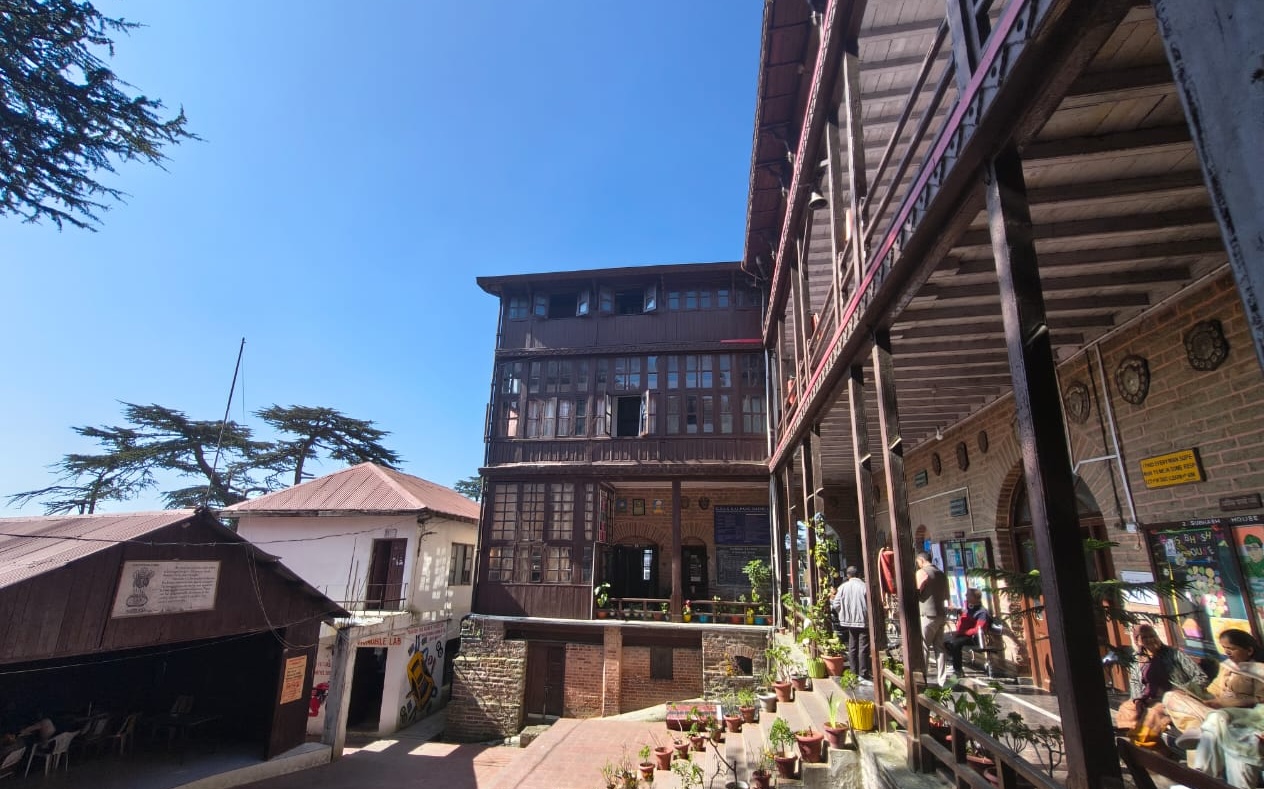
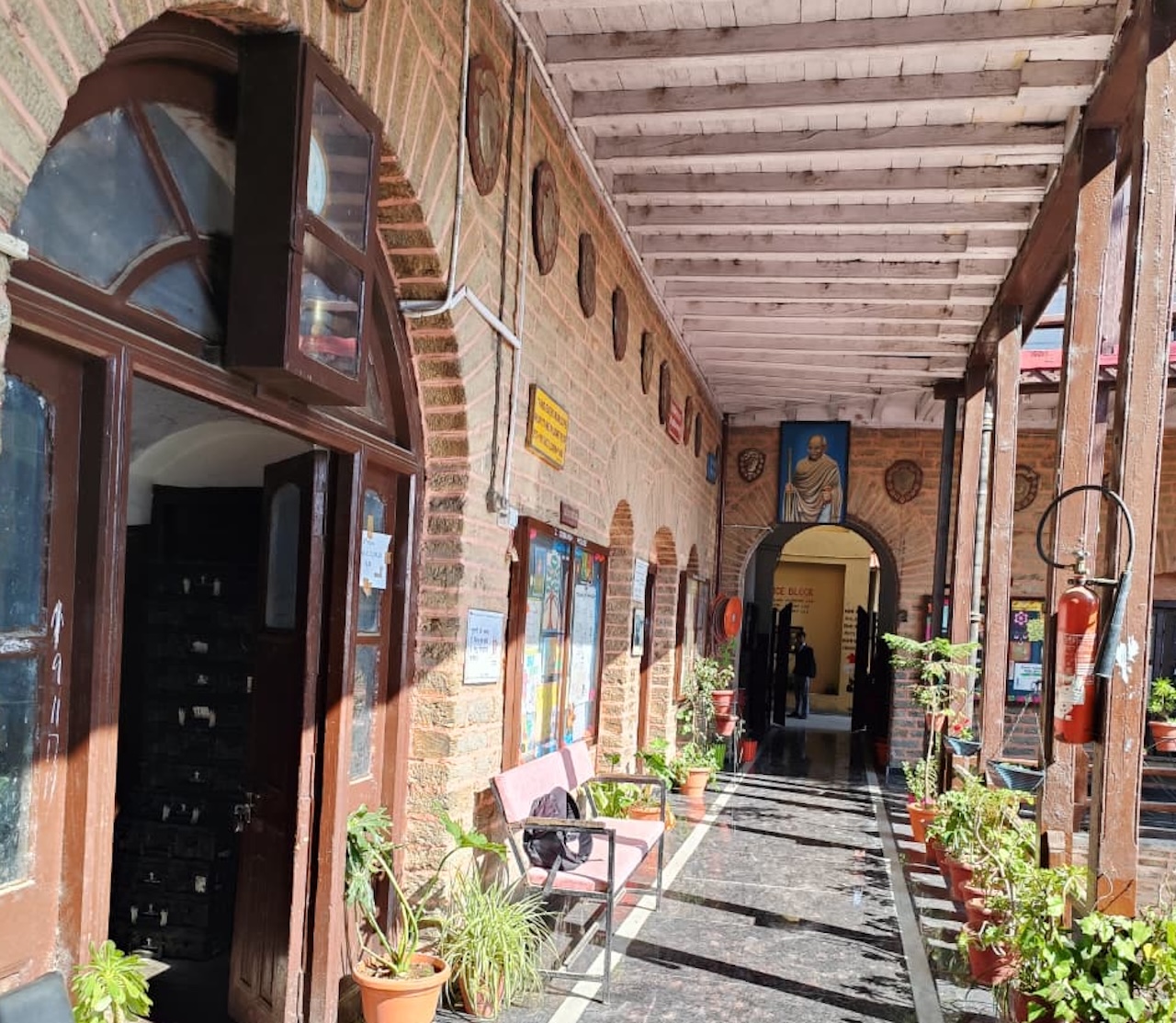
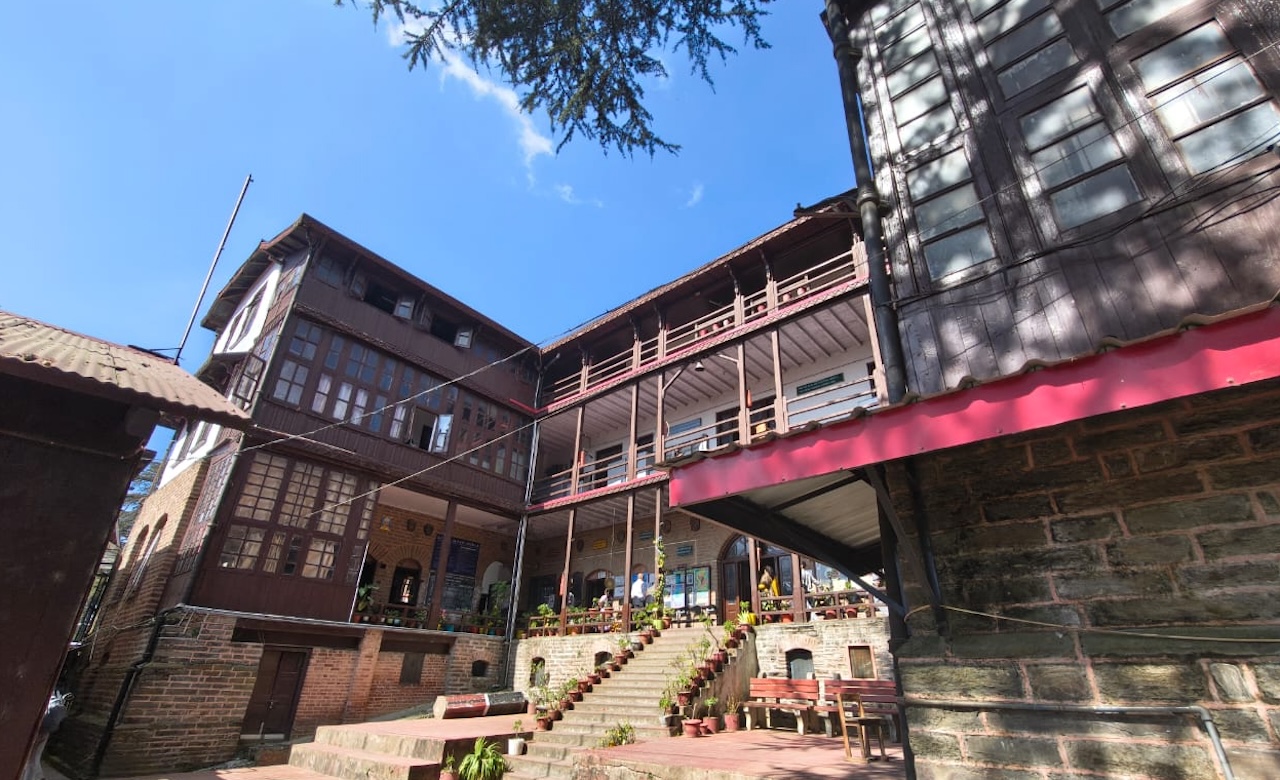
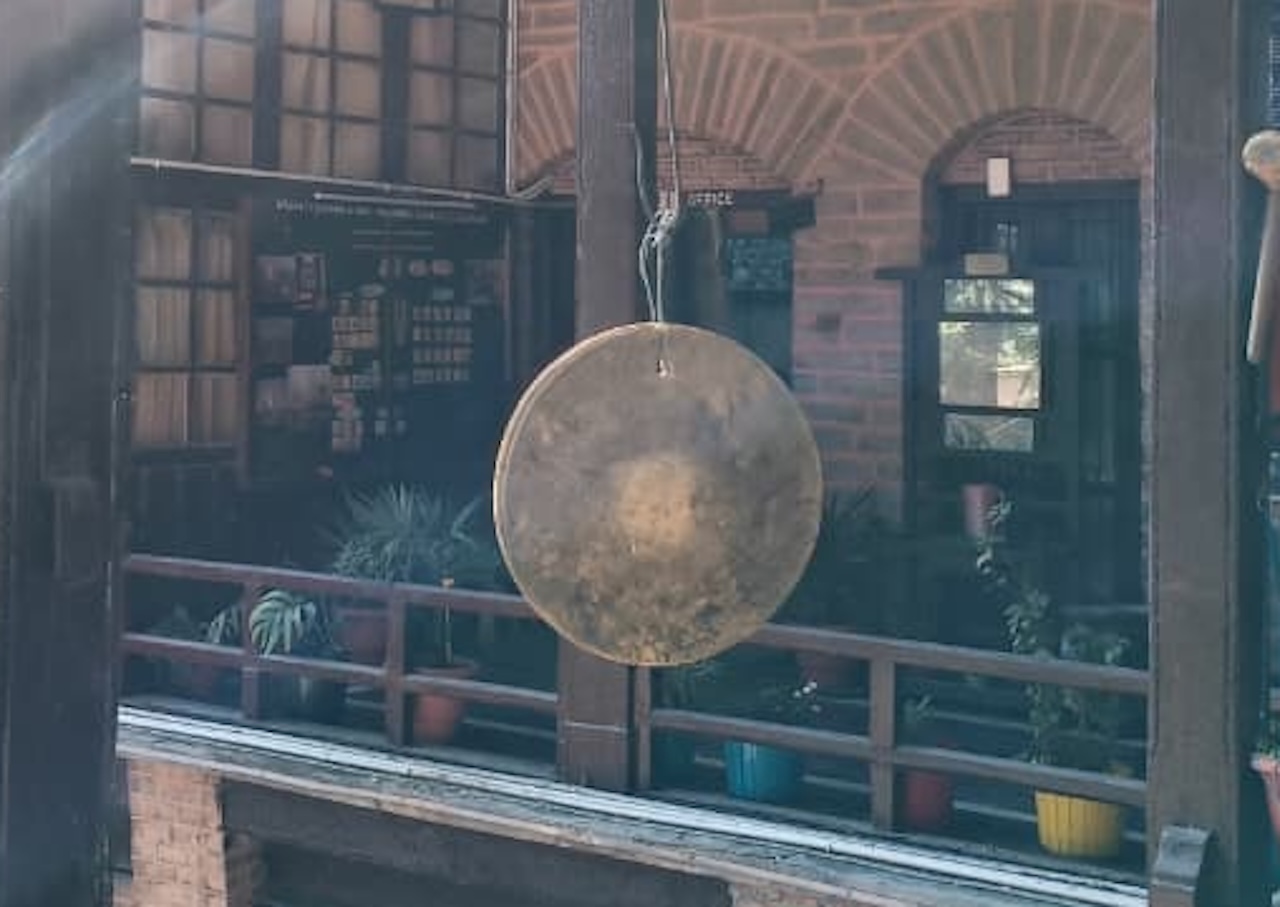
Inside the school, history breathes through every corner. The century-old bell that still rings each morning, the carved wooden beams, and the weathered books that line the library shelves all speak of an era when education was a privilege. The Tradesmen’s School Shield, awarded in 1927, remains among its most prized possessions. Embossed with a silver wolf and the insignia of the 14th Milington Pack, the shield stands as a symbol of excellence and camaraderie from the days when inter-school competitions defined student life in colonial Shimla.
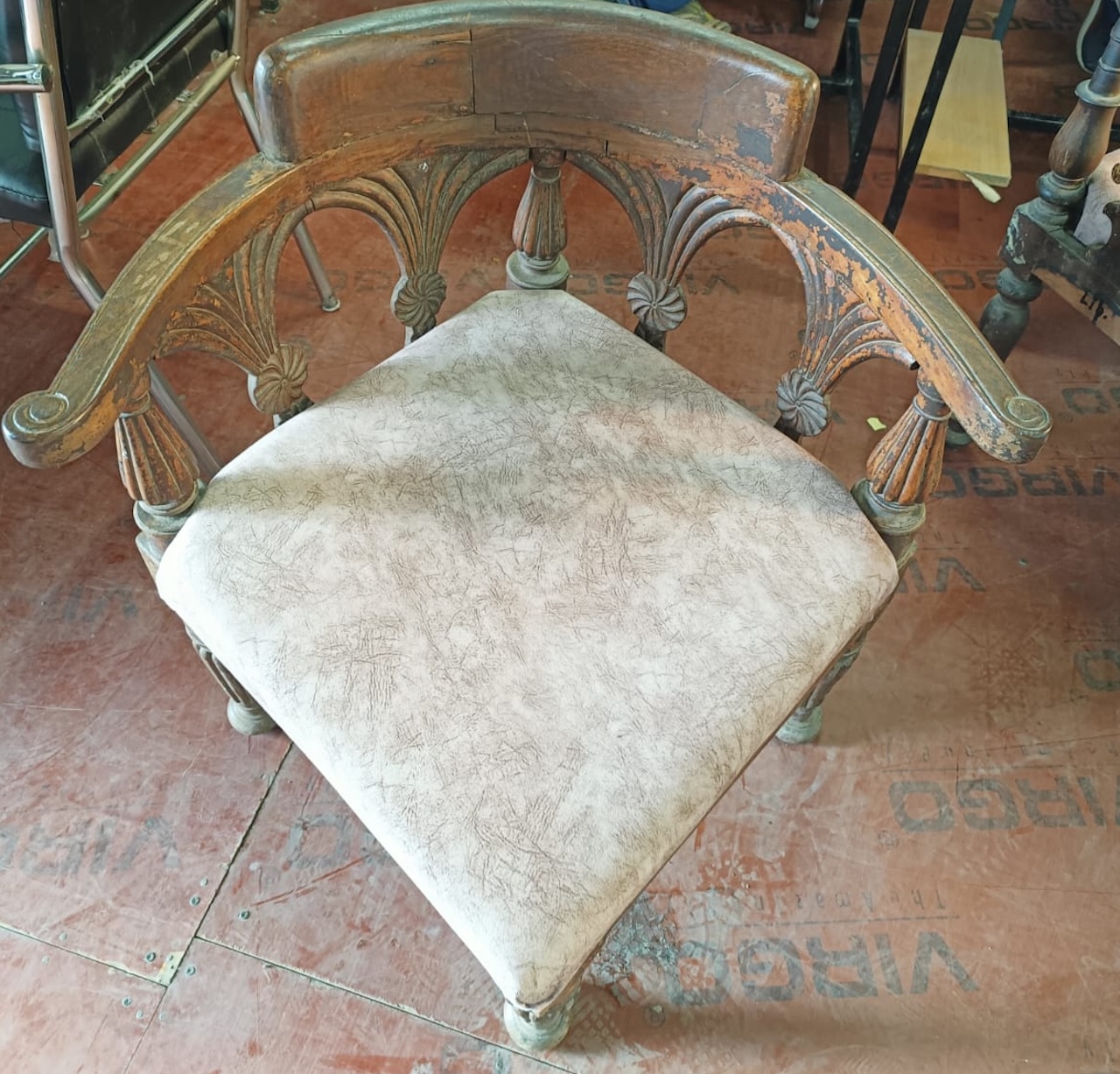
The school’s leadership over the decades has shaped its journey through history. N.J. Staines, appointed as the first headmaster in 1862, served until 1865, laying the foundation for a structured system of learning. He was succeeded by E.J. O’Connor (1865–1870), who continued to strengthen the institution’s academic base. In 1876, Bhagwan Singh became the first Indian headmaster, marking a historic shift in Shimla’s educational landscape. His tenure from 1876 to 1880 symbolised the growing participation of Indians in the teaching profession.
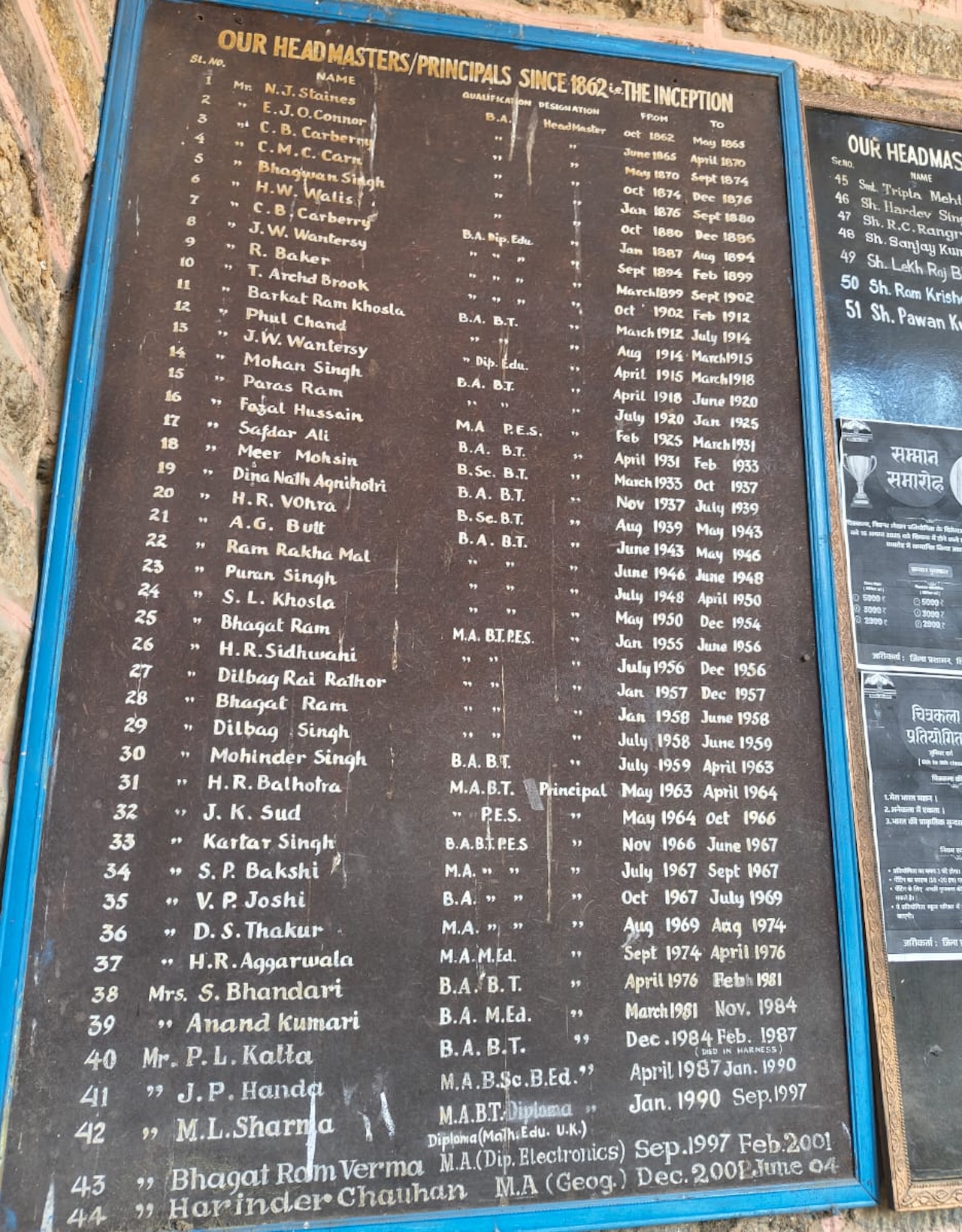
During India’s transition to independence, Ram Rakha Mal served as headmaster from 1946 to June 1948. He remains a significant figure in the school’s history — the last principal under British rule and the first under independent India. Over the years, 51 headmasters and principals have served at Lalpani, each leaving behind a legacy of commitment and reform. Today, Pawan Kumar Soni heads the institution, continuing the school’s tradition of discipline and learning while preserving its historic character.
Educational historians note that schools like Lalpani played a pivotal role in shaping the early academic culture of Shimla. During colonial times, education was designed primarily for European children, but soon expanded to include Indian students, creating a diverse environment of learning. As Shimla evolved into an educational hub, institutions like this laid the foundation for public education in North India.
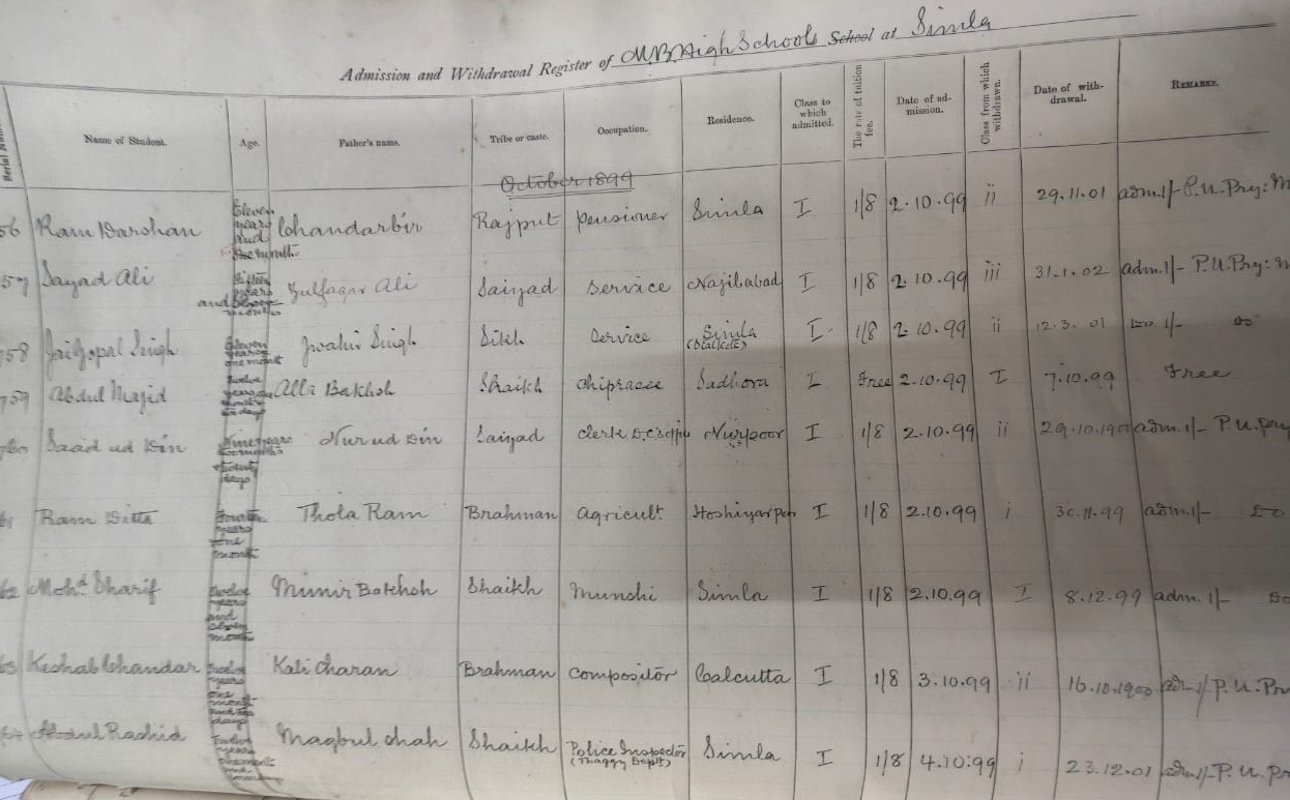
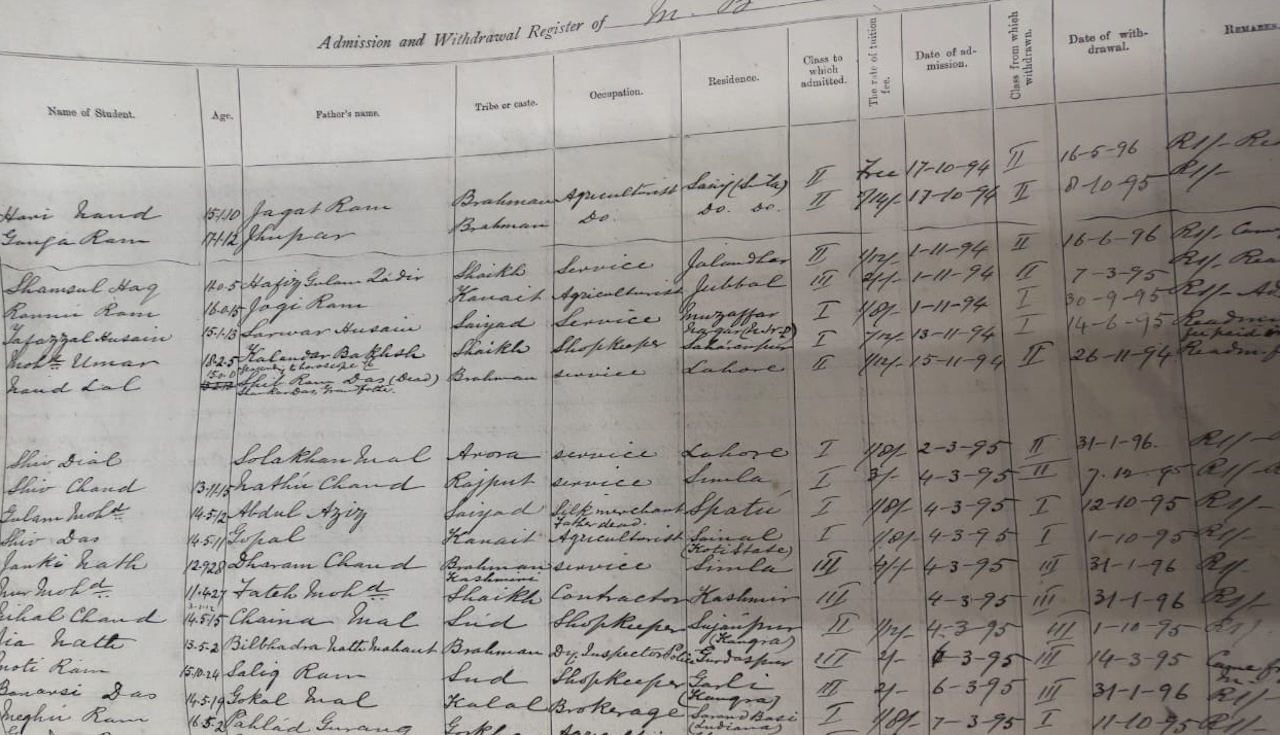
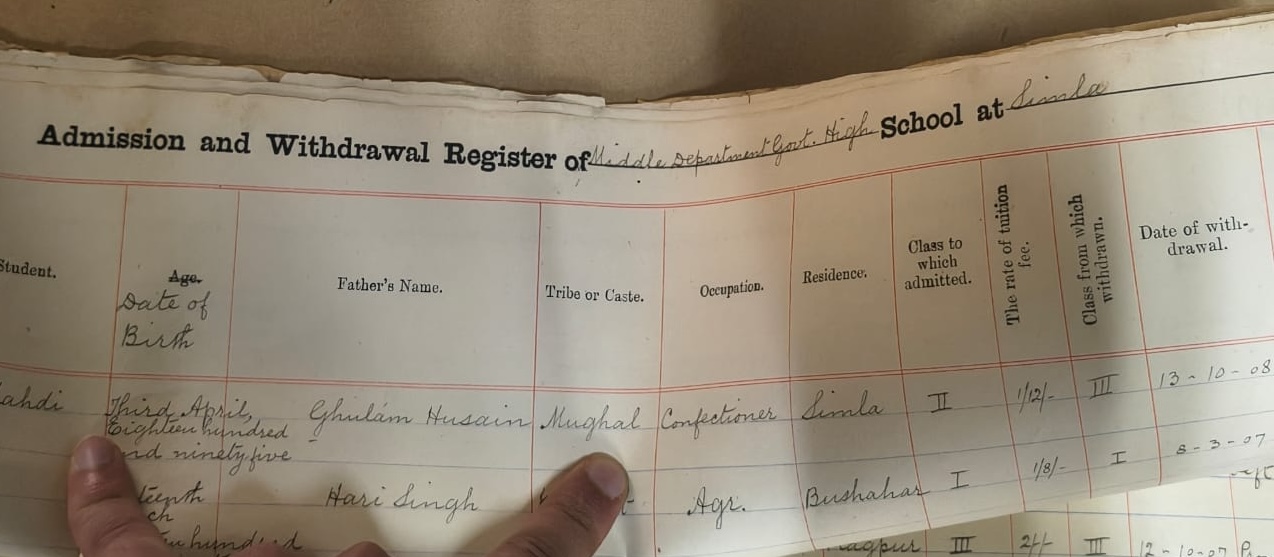
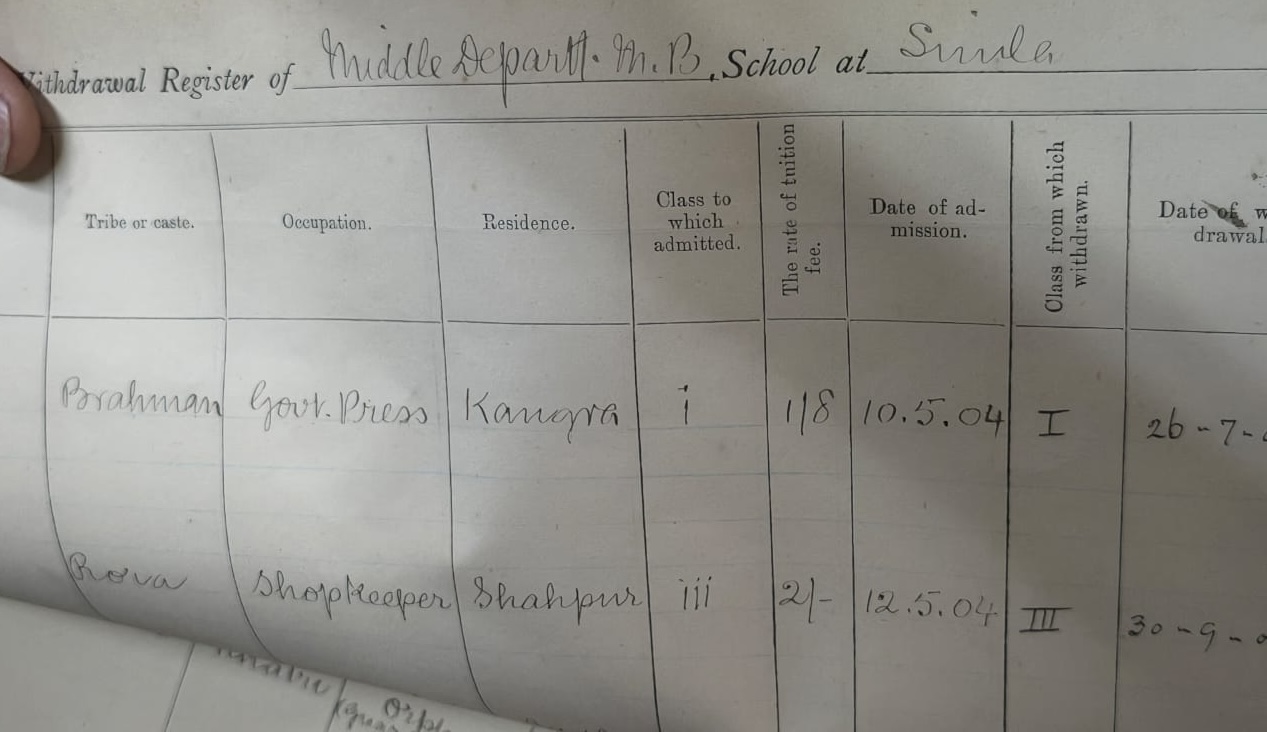
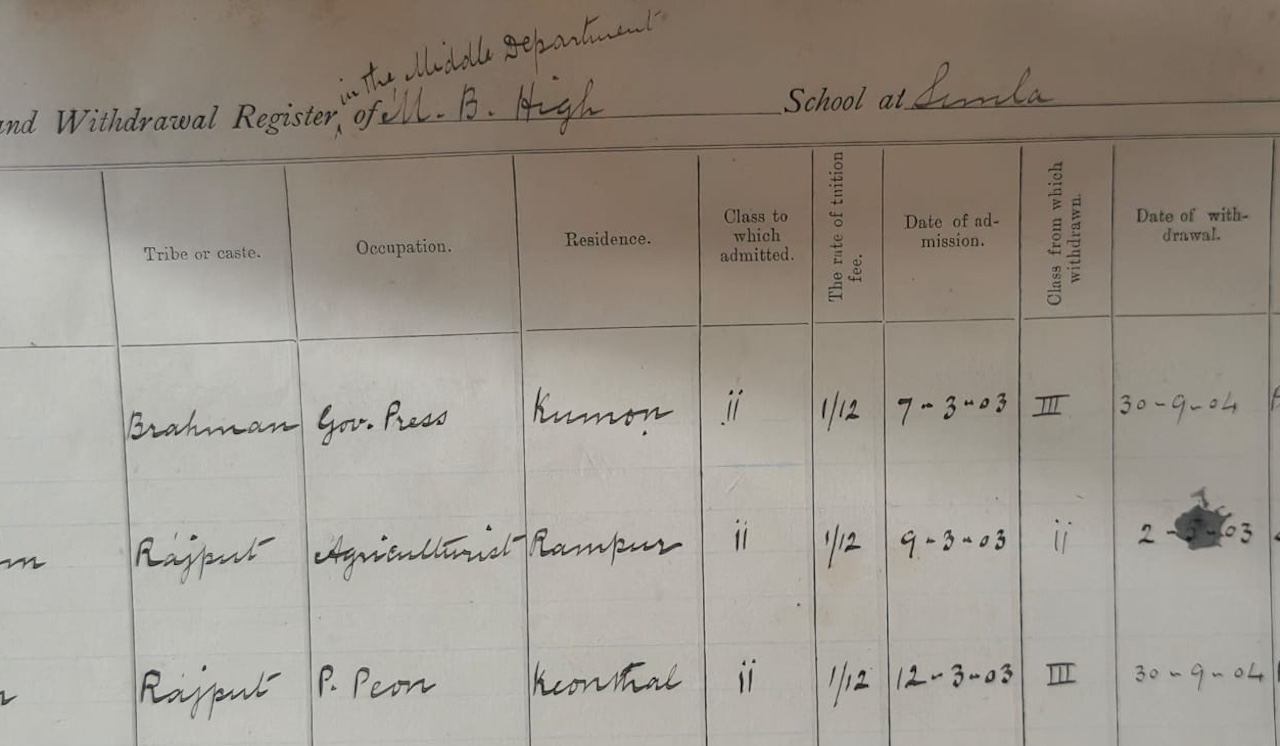
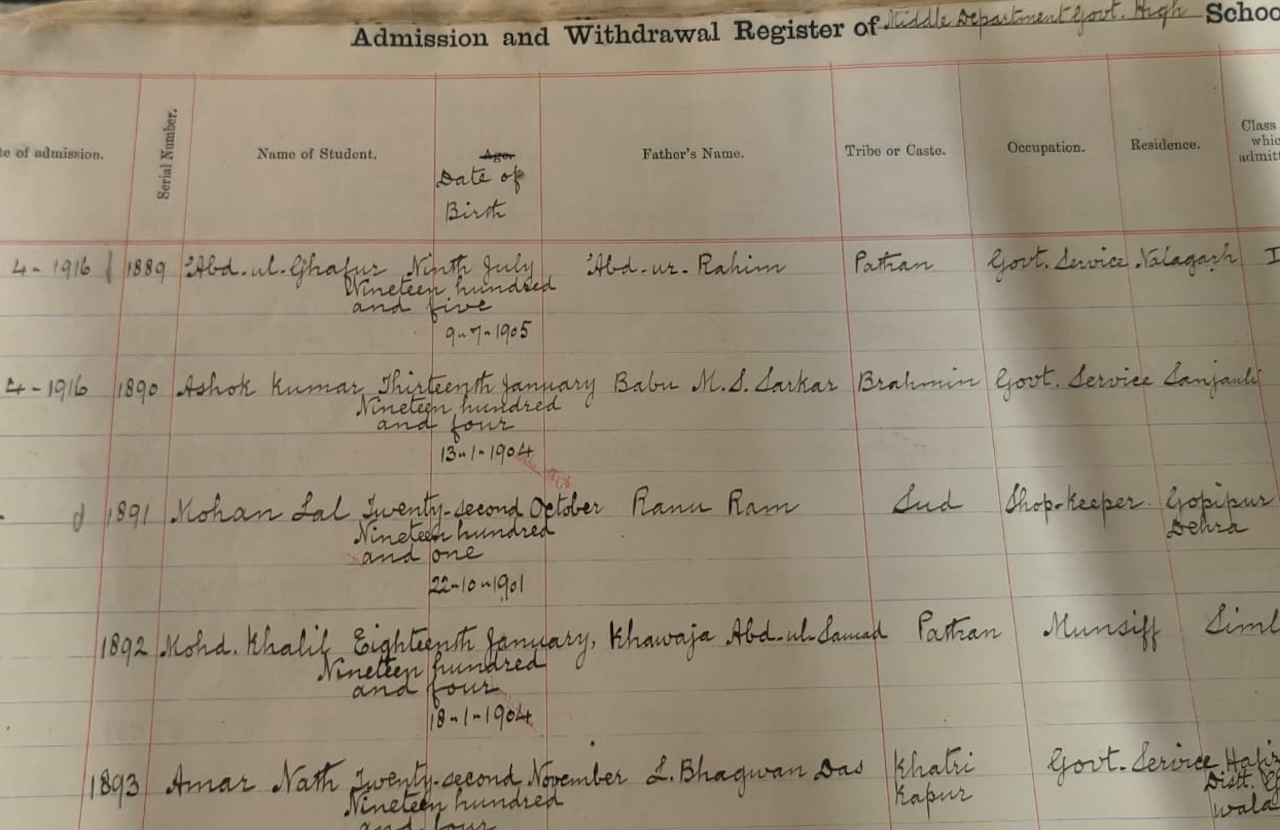
Even after nearly two centuries, the school remains more than a place of learning — it is a living museum of Shimla’s educational journey. The wooden staircases may be worn, but they still echo the laughter, discipline, and aspirations of thousands of students who passed through its halls. The old mirrors continue to reflect new faces every year, connecting the present to a glorious past.
In an era of modern classrooms and digital learning, Lalpani Boys’ School reminds Shimla of where its educational revolution began. As the morning bell rings through the mist, it carries the same spirit that first filled the air in 1848 — the belief that education, once rooted in tradition, can withstand the passage of time and continue to inspire generations.
Photo: Saurav Sircack