

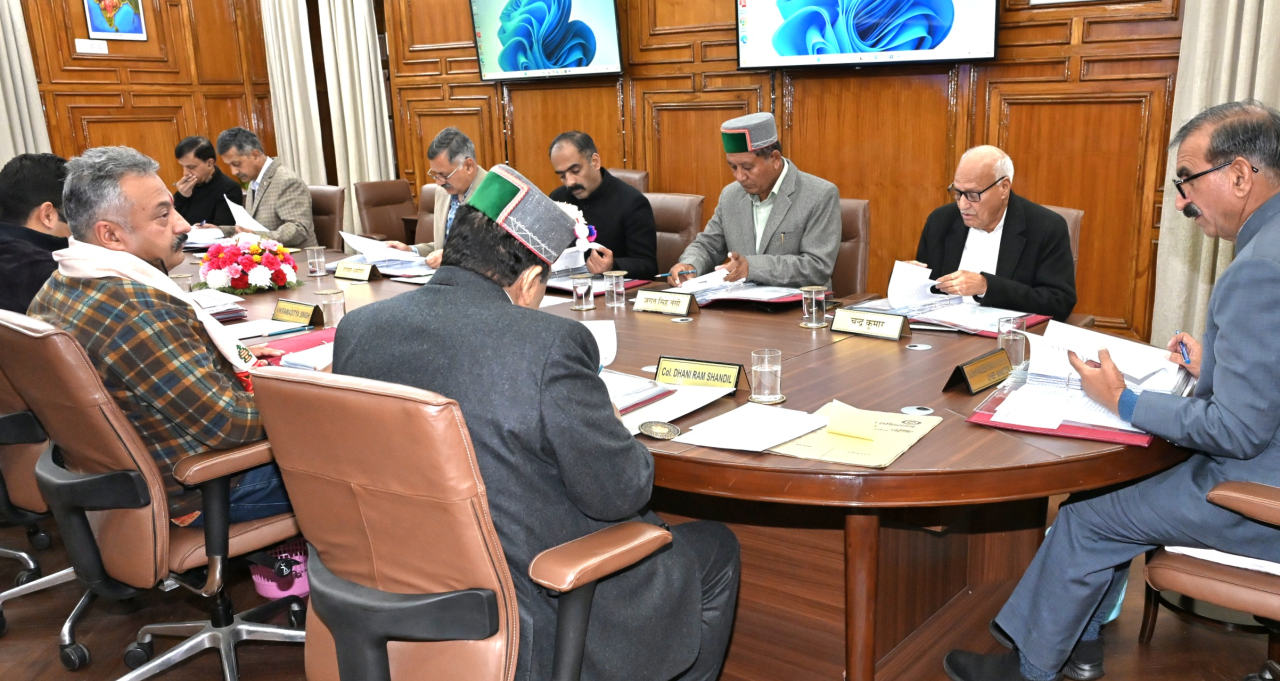
Shimla – With chitta smuggling gripping Himachal Pradesh and arrests of peddlers now becoming a daily occurrence, the state government has taken a major policy decision to strengthen its war on drugs. The Cabinet has approved the merger of the Anti-Narcotics Task Force with the Special Task Force, creating a single unified agency under the Home Department to deal with all narcotics-related enforcement, surveillance, and intelligence. The move aims to streamline operations, eliminate duplication, and boost on-ground action against the organised drug network that has penetrated most districts, villages, and towns in the state.
Along with the structural overhaul, the government has also approved a panchayat-wise Anti-Chitta campaign, marking a shift from district-level awareness to neighbourhood-level intervention. This means every panchayat will now hold coordinated monitoring, prevention campaigns, awareness drives, and report drug hotspots directly to the authorities.
Panchayat heads, ward members, and local administration will be involved to ensure backing at the grassroots level.
Rising Drug Seizures and Arrests
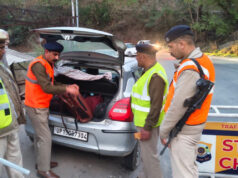
The intensified focus comes at a time when police forces across Himachal are continuously cracking down on traffickers and handlers. Multiple raids in recent weeks have resulted in arrests of both local and interstate smugglers. In one recent statewide operation, police raided over a hundred suspected locations and recovered charas, heroin, opium, poppy husk, weapons, and other illegal material within a span of hours. Special police teams have been deployed in border districts like Una, Kangra, Solan, and Sirmaur to track incoming supplies from Punjab and other neighbouring states.
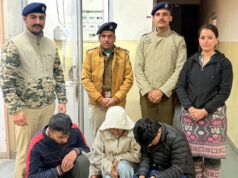
Even high-profile arrests have taken place recently, including the detention of a Punjab-based peddler who was supplying heroin in Shimla. In another case, a serving policeman was arrested in Bilaspur with chitta, highlighting how deeply the menace has percolated and influencing not only youth but those responsible for maintaining law and order. Such incidents have reinforced the need for stronger accountability and surveillance inside the system as well.
Chief Minister Sukhvinder Singh Sukhu has already declared a zero-tolerance stance and directed the police to dismantle drug supply chains within a fixed time frame. The government has ordered mapping of peddlers and users down to the village level, with Nambardars and panchayat representatives being involved in the reporting process. Alongside enforcement, a large volunteer network is also being mobilised to support awareness campaigns, surveys, and help identify locations where the drug trade has taken hold.
Focus on Fast Action and Stronger Enforcement
The new unified task force will be responsible for ongoing raids, surveillance, border checks, data analysis, prosecution support, and coordination with other states. The government is also looking at strengthening legal provisions, encouraging faster trials, and improving conviction rates in NDPS cases. Mandatory drug testing has already been introduced for new police recruits, and more reforms are in discussion.
A Crisis No Longer Limited to Cities
Chitta has now spread far beyond urban centers and is affecting rural belts and small towns across Himachal. Many youths, including students and young workers, are being caught in smuggling and consumption, making it not just a law-and-order challenge but a growing social and health crisis. With villages now becoming part of the response mechanism, the government hopes early detection and community participation will help reverse the trend.
The creation of a single strong anti-drug agency, coupled with a panchayat-level grassroots campaign, marks one of the most aggressive anti-narcotics measures taken in the state in recent years. With frequent seizures, increasing arrests, and a deepening political push, Himachal Pradesh now appears committed to tackling the chitta menace on multiple fronts – enforcement, prevention, accountability, public participation, and social pressure – to save its youth and communities from the tightening grip of narcotics.